

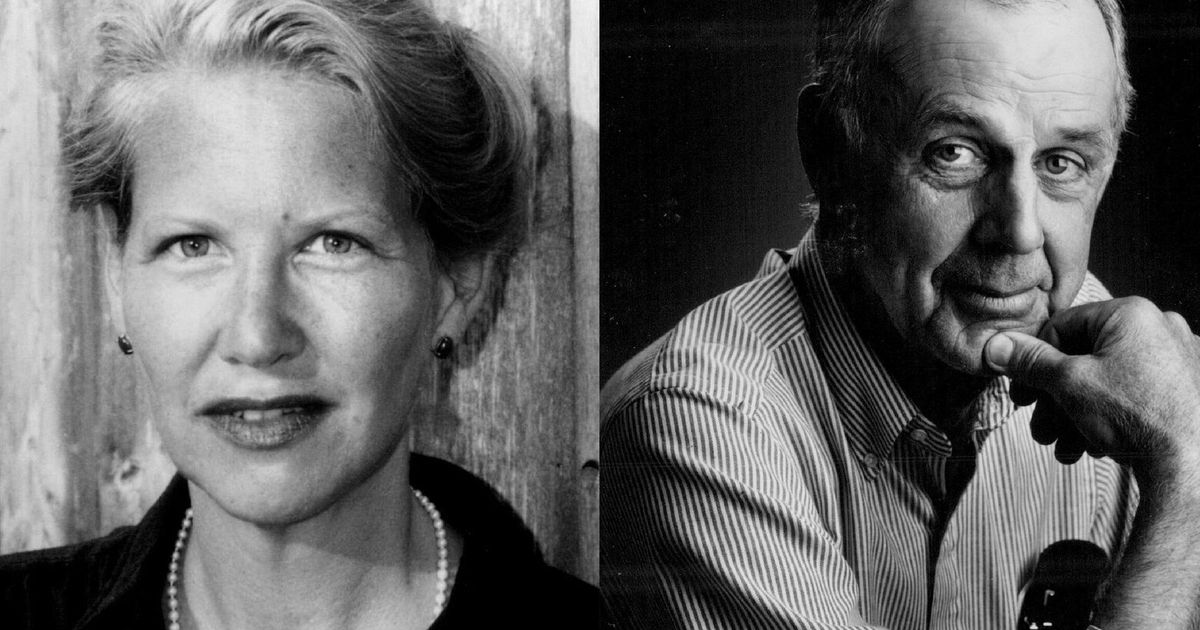
With the deaths of Wendell Berry (Aug. 31) and Annie Dillard (Sept. 16), we lost two significant voices who lifted up the power and beauty of nature. They were significant influences on my work as a writer and pastor. They both believed in the importance and power of place. That belief is something I believe is critically important, particularly in times like these.
Like Henry David Thoreau, who was mentioned in both of their obituaries in the national press, Dillard and Berry knew and lifted up the power and beauty of the natural world. Berry, known as a farmer poet, celebrated creation and praised the small family farm as he challenged the impact of agribusiness on the land and culture. Dillard, especially in her Pulitzer Prize-winning “Pilgrim at Tinker Creek,” invited readers to pay attention to the beauty and wonder of the world around us as she embraced a spirituality rooted in creation. She challenged people to pay attention to the world around them when she wrote, “Beauty and grace are performed whether or not we will or sense them. The least we can do is try to be there.” Both writers saw something unique, sacred and special in the natural world, embracing it not as an economic resource or commodity to own but as something sacred and holy to embrace.
They understood the power of natural places to nurture and bring peace to our sometimes-troubled lives. For Dillard, that place was Tinker Creek in a valley in Virginia’s Blue Ridge Mountains. For Berry, that place was his family farm in Kentucky. For both writers, place mattered. I believe that for many of us that is true. Even if we are not at all religious, we have “sacred” places in our lives, places that nourish and restore us.
It may be a special space like the Fremont Fire tower on Mount Rainier or a more common space like a city park or a backyard. In our busyness we may forget the places that restore us; Dillard and Berry remind us to pay attention to the world around us, keep our eyes open and be present to the sometimes everyday and other times extraordinary beauty. Their focus on place is something we need to take to heart in these trying and difficult times. Our spirits and energy can easily be drained and hope can feel elusive. Sacred space is not an escape from this troubled world, but where we go to renew our spirits and find new energy.
Berry’s poem “The Peace of Wild Things” reminds us of the power of place and echoes my experience. It speaks to us when the times we live in can all too often makes us feel despair.
The poem begins: “When despair for the world grows in me and I wake in the night at the least sound in fear of what my life and my children’s lives might be, I go and lie down where the wood drake rests in beauty on the water and the great heron feeds.”
It ends, “For a time I rest in the grace of the world and I am free.”
Wendell Berry and Annie Dillard, I am thankful for your voices and the power of the natural world to renew our spirits. I hope and pray we all may remember or find those places where we can “rest in the grace of the world and feel free.”
