

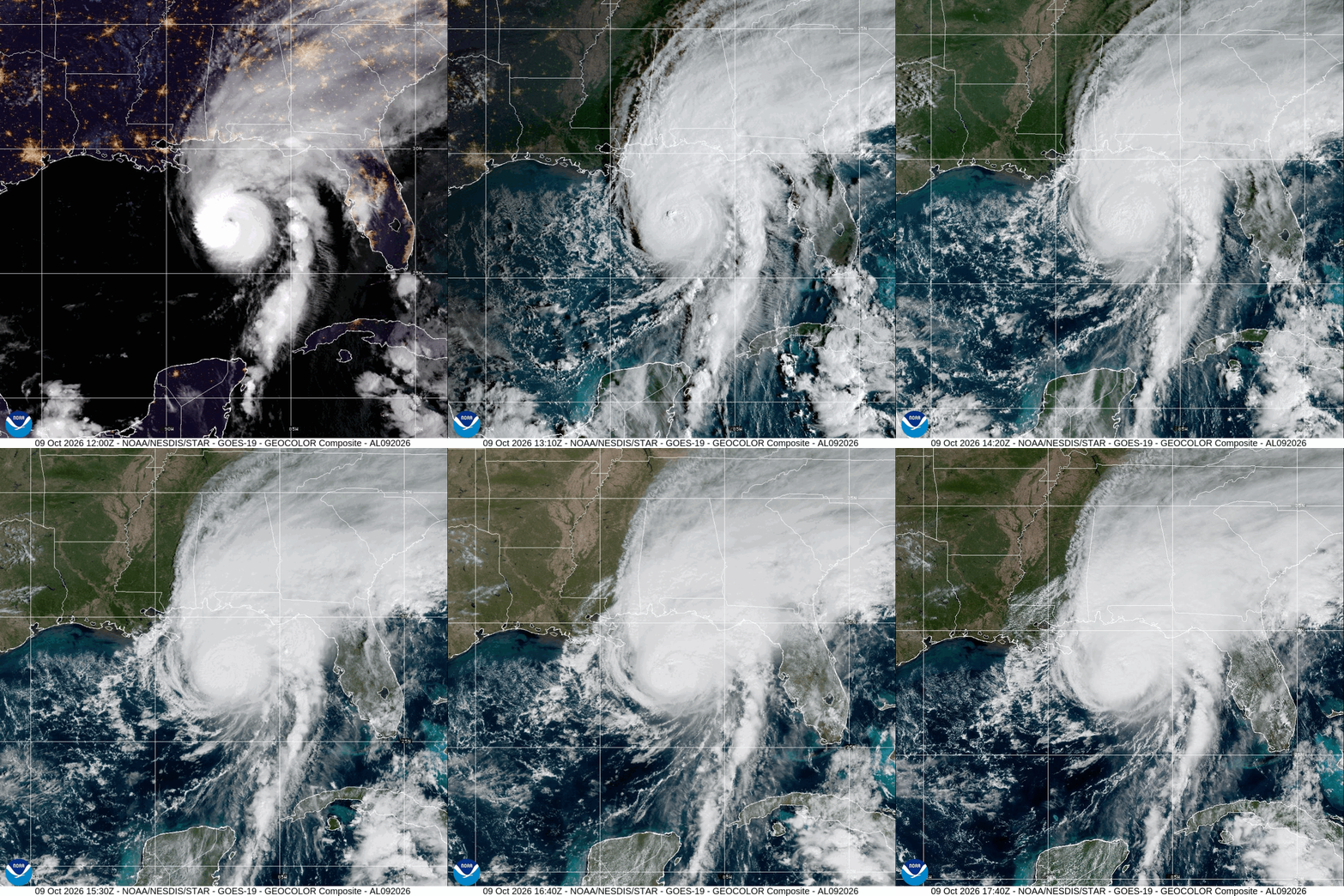
Just one day ago Hurricane Isaias was a Category 1 hurricane. Overnight, it ballooned into a major Category 3 storm with 120-mile-per-hour winds and is set to slam into the U.S. Gulf Coast Friday evening with “life-threatening storm surge,” “devastating winds” and the potential for tornadoes, according to the U.S. National Oceanic and Atmospheric Administration (NOAA).
So how did this storm get so dangerous so quickly?
For one, Isaias’s presence alone is something of an anomaly. As Scientific American previously reported, Isaias is the first hurricane to form in the Atlantic region this season, setting a record for the latest first arrival of any hurricane since satellite monitoring began.
On supporting science journalism
If you’re enjoying this article, consider supporting our award-winning journalism by subscribing. By purchasing a subscription you are helping to ensure the future of impactful stories about the discoveries and ideas shaping our world today.
Meteorologists say Isaias’s late formation is largely because of the presence of El Niño, a pattern of unusually warm ocean waters in the eastern Pacific Ocean that can alter weather patterns across the planet. During El Niño years, hurricane activity in the Atlantic typically drops thanks to choppy wind conditions in the atmosphere, or increased vertical wind shear.
But when that wind shear happens to weaken, any burgeoning storm can quickly grow wherever there’s abundant warm ocean water. And there is plenty of that in the Gulf right now.
And the storm may have particularly gotten a boost from a large, deep warm-water eddy in the Gulf of Mexico, hurricane specialist Michael Lowry wrote on Substack. This blob of exceptionally warm water formed by spinning off of the Gulf’s Loop Current that is notorious for boosting hurricane strength. The eddy is giving Isaias a “second wind” as it nears landfall, Lowry wrote.
Warm ocean water fuels tropical cyclones, explains Kim Wood, an associate professor of hydrology and atmospheric sciences at the University of Arizona. “The warmer ocean waters are, the more energy is available, especially if those waters are warm through a deep layer,” Wood says. As a storm’s wind pushes the ocean’s surface water, water deeper down swells up to replace it, they add. If that water is warm—as it would be in this eddy—it can serve as “a longer-lasting energy source” for the storm.
A hurricane warning—meaning hurricane conditions are expected—is in effect for parts of Mississippi, Alabama and Florida, with wind, rain and flooding risks expected throughout the wider Gulf Coast region, including in Louisiana and Georgia, and well inland, NOAA predicts. Isaias isn’t expected to weaken until after it makes landfall.
Gulf Coasters in Isaias’s path should look out for local guidance on how to prepare for the storm’s arrival, including any potential evacuation orders, according to NOAA.
Subscribe to Support Independent Journalism
Great science journalism requires human expertise, time, effort and creativity. And it costs money. That’s why I and the journalists here at Scientific American hope you’ll join our community.
When you subscribe, you are supporting staff and freelance journalists who are passionate about telling science stories that are true, important and compelling. Our editors and reporters are often experts in their fields, which means they understand the nuances of big discoveries and can untangle the breakthroughs from the hype. With a subscription, you are also supporting rigorous fact-checking to ensure the words we publish are precise and accurate. And you’re supporting original illustrations, graphics and photos that bring you closer to an advanced laboratory, an ice sheet in Antarctica or a space mission in orbit. You’re helping us craft other types of high-quality journalism as well: Our newsletters are carefully written, edited and curated by staffers you have or will come to know and love. Our Science Quickly podcast is based on original reporting, collaboration with editors and scientists and exacting production.
Subscriptions keep this engine running so we can continue to deliver thoughtful, rigorous and independent science journalism to you. In an era of viral misinformation, this work is crucial. If you value what we do, I hope you’ll consider joining us as a subscriber
