

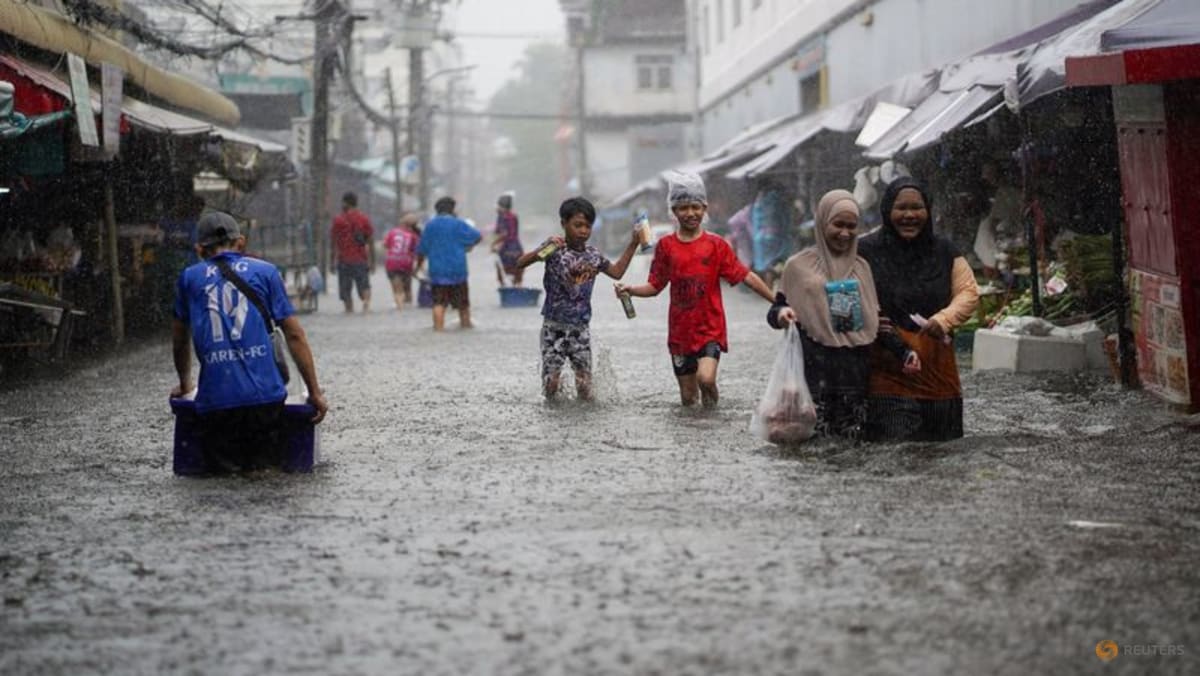
In Vietnam, typhoons and floods caused an estimated US$475 million in damage to energy and transportation infrastructure in 2022. Unreliable infrastructure cost companies there about US$280 million.
Severe flooding in Thailand in 2011 forced several companies, including Toyota, Nissan and Honda, to temporarily suspend production as factories flooded, shutting down production of parts or vehicles made there.
Costs like those shape where companies choose to invest next. While climate risk does not stop all investment in climate-vulnerable markets, it does make projects in these nations relatively more expensive, less attractive and more difficult to finance than less risky locations.
WHO LOSES FROM INVESTOR AVOIDANCE?
For developing countries, less foreign investment means fewer jobs are created. These countries also have fewer opportunities to benefit from exposure to the new technologies that multinationals bring when they invest abroad.
Those results highlight another way climate change is deepening global inequality. It reduces the economic activity that could support future development, while simultaneously damaging physical infrastructure and threatening human health and well-being.
Developing countries are especially vulnerable to the effects of rising global temperatures, whether for their dependence on agricultural markets, geography or relatively fragile infrastructure. A report from the Climate Impact Lab at the University of Chicago projects that 90 per cent of heat-related deaths in the coming decades will take place in low- and middle-income countries.
Similarly, a 2022 study found that around 90 per cent of people exposed to flooding live in developing nations.
