

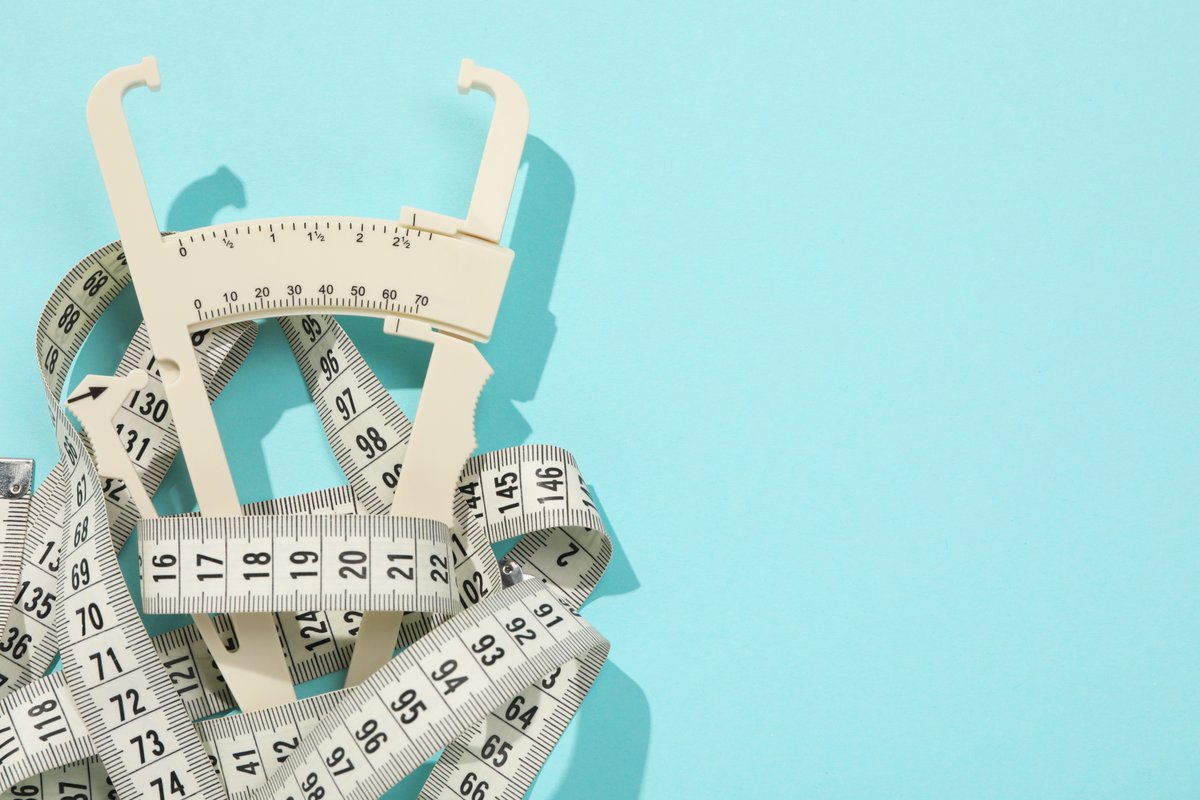
For decades, doctors have relied on body mass index, or BMI, to diagnose obesity. The calculation—simply a person’s weight divided by their squared height—gained popularity because it was quick and easy to use in a doctor’s office. But BMI is far from perfect. It reveals little about an individual’s body composition—is the weight fat or muscle, for example?—and perhaps most importantly, it says little about whether excess body fat is actually affecting a person’s health.
Despite these shortcomings, scientists have struggled to come up with a different way to diagnose obesity. But a landmark study published in Nature this week tests an alternative vision that would distinguish between what researchers call clinical obesity—when excess body fat impairs organ function or everyday activities—and preclinical obesity, in which excess body fat is present but function remains intact.
The idea was first proposed in January 2025 by an international research group writing in the Lancet Diabetes & Endocrinology. The new study is the first major test of whether it could supplant BMI—and the results are encouraging.
On supporting science journalism
If you’re enjoying this article, consider supporting our award-winning journalism by subscribing. By purchasing a subscription you are helping to ensure the future of impactful stories about the discoveries and ideas shaping our world today.
The 2025 Lancet study recommended supplementing BMI with measurements such as waist circumference and waist-to-height ratio to better identify excess body fat. It also proposed assessing whether that fat was causing measurable organ dysfunction.
In the new study, by analyzing health data from more than 844,000 adults across four countries, the researchers found that BMI both overestimated and underestimated obesity in certain groups compared with the new framework. They also found that people with clinical and preclinical obesity faced markedly different long-term health risks. Most people with preclinical obesity did not go on to develop clinical obesity over a decade, while those with clinical obesity faced a substantially higher risk of death.
The researchers also found that most people identified as having obesity under the new framework did not actually meet the definition of clinical obesity. They estimated that just 22.7 to 31.3 percent of people who met the BMI criteria for obesity had clinical obesity. The remainder were classified as having preclinical obesity.
The findings suggest that assessing obesity based on both the presence of excess body fat and its actual effects on the body, rather than just BMI alone, could help doctors better diagnose people experiencing obesity-related disease and those at risk of developing it.
“This work tells us that the BMI system is not accurate in identifying the health status of an individual,” said Francesco Rubino, chair of metabolic and bariatric surgery at King’s College London and a senior author of the study, at a press briefing. “Diseases are normally defined in medicine by the way they look at the bedside,” he explained, but obesity has historically been defined using measurements that reflect population-level health risks—not the health of an individual patient.
Obesity has long been associated with an increased risk of conditions such as cardiovascular disease, type 2 diabetes and certain cancers. Under the BMI guidelines, adults with a BMI of 30 or higher are classified as obese. But BMI cannot distinguish fat from muscle, account for differences in fat distribution or determine whether excess fat is interfering with normal biological functions.
An Pan, a professor of epidemiology at Huazhong University of Science and Technology in China and co-lead author of the study, said at the same press event that more work needs to be done before the new framework might be implemented in clinical practice. Specifically, he said, the researchers want to better understand what factors could help predict which individuals with preclinical obesity will go on to develop clinical obesity.
But in the future, the findings could have implications for how doctors approach obesity treatment, the researchers said. For example, if these guidelines were implemented more broadly in clinical medicine, then rather than treating everyone who meets a particular BMI threshold as having the same condition, doctors could tailor care according to whether excess body fat is already impairing health or represents a risk of future disease. That would bring the process of diagnosing obesity more in line with diagnosing other complex health conditions, Rubino said.
“The fact that [physicians] will have to work harder to make a diagnosis is certainly true compared to what we’re used to,” he said.
Subscribe to Support Independent Journalism
Great science journalism requires human expertise, time, effort and creativity. And it costs money. That’s why I and the journalists here at Scientific American hope you’ll join our community.
When you subscribe, you are supporting staff and freelance journalists who are passionate about telling science stories that are true, important and compelling. Our editors and reporters are often experts in their fields, which means they understand the nuances of big discoveries and can untangle the breakthroughs from the hype. With a subscription, you are also supporting rigorous fact-checking to ensure the words we publish are precise and accurate. And you’re supporting original illustrations, graphics and photos that bring you closer to an advanced laboratory, an ice sheet in Antarctica or a space mission in orbit. You’re helping us craft other types of high-quality journalism as well: Our newsletters are carefully written, edited and curated by staffers you have or will come to know and love. Our Science Quickly podcast is based on original reporting, collaboration with editors and scientists and exacting production.
Subscriptions keep this engine running so we can continue to deliver thoughtful, rigorous and independent science journalism to you. In an era of viral misinformation, this work is crucial. If you value what we do, I hope you’ll consider joining us as a subscriber
