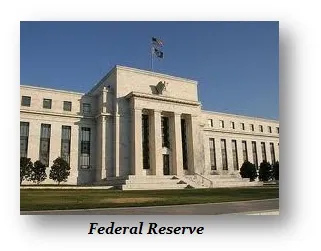
I draw the line with Trump when it comes to the Federal Reserve.
The President nominates the Chair of the Federal Reserve, and the Senate confirms them. The term for the Chair is four years, but they can be reappointed. For example, Jerome Powell was nominated by Trump and then reappointed by Biden. But can a President remove the Chair before their term is up?
The Federal Reserve Act established the Federal Reserve System. Members of the Board of Governors, which includes the Chair and Vice Chair, serve 14-year terms, but the Chair’s term is four years. The key question is can Trump remove Powell? The Act states that a President can remove a Federal Reserve Board member “for cause,” but what does “for cause” mean exactly? That’s a bit vague. It probably means something like misconduct or neglect of duty, not just policy disagreements.
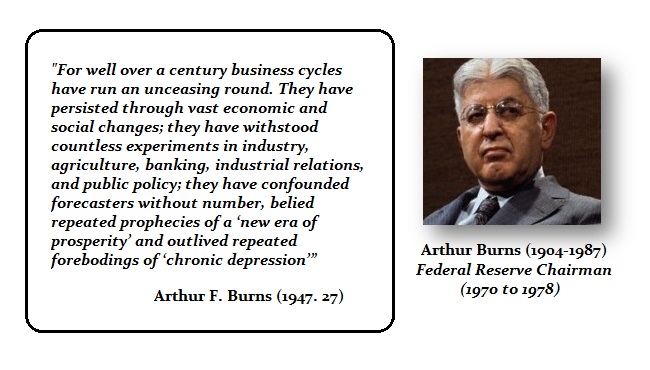
There was a case in the past where a President tried to remove a Fed Chair. It was Arthur Burns during the Nixon administration. Nixon wanted Burns to lower interest rates, but Burns resisted. However, Nixon couldn’t fire him because he didn’t have legal grounds. Instead, he might have pressured him in other ways. That example suggests that a President can’t just fire the Fed Chair over policy disputes.
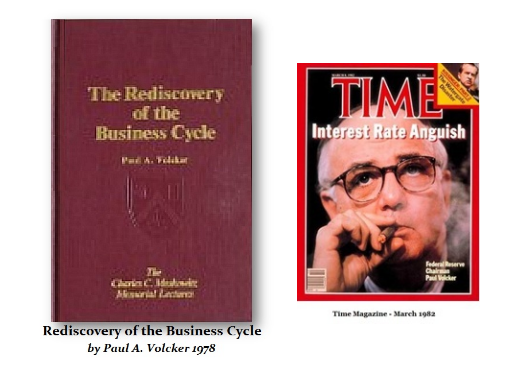
Another example is when President Reagan reportedly considered not reappointing Paul Volcker, who was known for tough anti-inflation policies. But Volcker chose not to seek a third term, so Reagan appointed Alan Greenspan instead. This shows that while a President can decide not to reappoint a Chair, they can’t remove them before their term ends without a valid reason.
The law is structured this way to protect the Fed’s independence, which is ABSOLUTELY ESSENTIAL to prevent politicians from manipulating interest rates for their political gain. If a President could fire the Chair at will, it would undermine that independence and potentially lead to politically motivated monetary policy, potentially harming the economy in the long run. That would undermine the US Treasury market and the dollar and transform the United States into a banana republic. Therefore, the legal framework requires a high bar for removal, ensuring that the Chair can make decisions based on economic factors rather than political pressure.
The President can’t directly fire the Fed Chair without a valid cause, such as misconduct. The “for cause” provision in the Federal Reserve Act limits the President’s power to remove the Chair. This is intentional to maintain the Fed’s operational independence. However, the President can influence the Fed through appointments when terms expire and through public statements or persuasion, but not by direct removal.