

Opinions expressed by Entrepreneur contributors are their own.
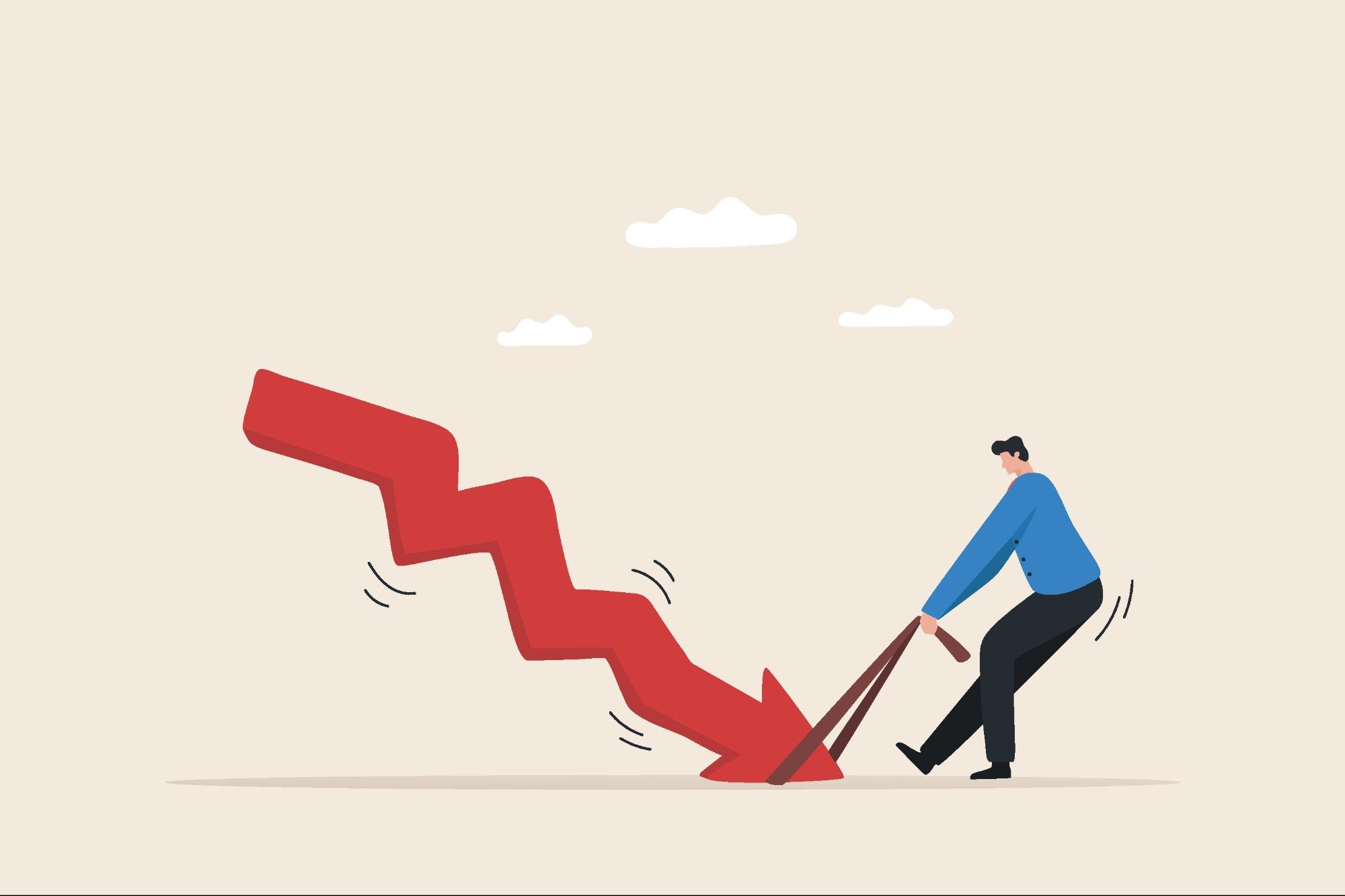
I still remember the day I saw my portfolio with a huge unexpected loss in less than three hours. It was 2020, “Covid crash,” and I’d ignored every principle of risk management during a particularly violent swing in the equity markets. As I sat there, watching my trading terminal flash angry red numbers, I learned a lesson about market volatility that no business school could have taught me.
Volatility isn’t your enemy — it’s your greatest opportunity. But only if you know how to use it. Today’s markets move with unprecedented speed. A presidential tweet, a supply chain disruption or an unexpected Fed announcement can send assets plummeting or soaring within seconds. For investors, these wild price swings represent both extreme danger and extraordinary potential.
Related: Chaos and Cash: Finding Opportunity in Volatility
The volatility paradox: How chaos creates opportunity
Volatility exists in all liquid markets — stocks, bonds, currencies and commodities. At the same time, some assets on the market can be traded with high volatility, while others go at a moderate pace. That’s why volatility isn’t judged in isolation; it’s always relative to similar instruments in the same space.
Volatility creates asymmetric opportunities that simply don’t exist in calm markets. When fear grips investors and assets are sold indiscriminately, diamonds get priced like rocks. When euphoria takes hold, even mundane assets can reach absurd valuations.
These inefficiencies create pockets of opportunity that the prepared trader can exploit. While large institutional investors are often constrained by mandate or size during volatile periods, nimble investment boutiques and family offices can move quickly to capitalize on mispriced assets.
Even with wars, pandemics and trade issues, the market has kept growing. If you invested $10,000 in the S&P 500 in 1980, it would be worth nearly $1.5 million today. History shows that staying invested through tough times can pay off.
Yet the road to profiting from volatility is littered with the wreckage of failed investors. The challenges are numerous and unforgiving.
When markets get shaky, prices can move fast and without warning — what looked like a solid win can suddenly flip into a painful loss. And just when you’re ready to get out, the buyers disappear, leaving you stuck holding the bag.
Execution risks multiply as well. That trade you wanted to make at $100? It might fill at $105 or $110 due to slippage when markets move rapidly. And let’s not forget the greatest danger of all: our own emotions. Fear and greed hijack rational decision-making, leading to impulsive trades that violate your strategy.
For investment startups looking to implement sophisticated approaches like high-frequency trading, regulatory hurdles add another layer of complexity and cost.
Your volatility playbook: Practical strategies for entrepreneurs
Despite these challenges, I’ve watched numerous startups build tremendously profitable operations by specializing in volatile markets. Here’s how they do it:
1. Automate your emotions away:
Emotions mess with decisions, especially in fast-moving markets. That’s where algorithmic trading comes in. It sticks to the plan, reacts in real time and doesn’t get spooked or greedy. Your algorithm won’t panic-sell at the bottom or get greedy at the top — it simply follows the rules.
2. Follow the rubber band effect:
Markets often stretch too far in one direction, then snap back like a rubber band. That’s your window. Focus on assets that tend to return to their average — buy when they drop too hard, sell when they shoot up too fast.
3. Define your disaster scenario:
Every trade should have a predetermined stop-loss — a price at which you’ll exit if things go wrong. This isn’t negotiable. The markets don’t care about your dreams or your startup’s runway. Protect your capital at all costs.
Set a threshold to automatically exit a trade when things go wrong. This way, you can prevent small losses from turning into catastrophes.
4. Don’t bet everything on one move:
Diversify across different assets (stocks, bonds, commodities, forex, etc.). This helps mitigate the risk of one market crashing while the others still perform.
But true diversification also means using different strategies and timeframes. Apply different strategies across multiple timeframes and market conditions. When one approach stumbles during volatile periods, another might thrive.
5. Learn the art of hedging:
Tools like options or inverse ETFs act like a safety net. They won’t stop the market from dropping, but they can soften the fall — and sometimes, that’s all you need.
6. Walk before you run:
The cemetery of failed trading startups is filled with companies that scaled too quickly. Test your ideas in a safe space first, then ease into the real thing. Only when your approach proves consistently profitable should you gradually increase your exposure. Once you have a feel for what’s effective, scale your operations gradually.
Related: How to Manage Risk and Make Money in This Volatile Market
The truth about market volatility is that it separates the professionals from the amateurs. While most investors fear volatility, the prepared one recognizes it as the ultimate business opportunity — a chance to profit precisely when others are paralyzed by uncertainty.
So, the next time markets turn chaotic, remember: Volatility isn’t something to survive — it’s something to capitalize on. With the right preparation, systems and mindset, the most turbulent markets can become your most profitable hunting grounds.
I still remember the day I saw my portfolio with a huge unexpected loss in less than three hours. It was 2020, “Covid crash,” and I’d ignored every principle of risk management during a particularly violent swing in the equity markets. As I sat there, watching my trading terminal flash angry red numbers, I learned a lesson about market volatility that no business school could have taught me.
Volatility isn’t your enemy — it’s your greatest opportunity. But only if you know how to use it. Today’s markets move with unprecedented speed. A presidential tweet, a supply chain disruption or an unexpected Fed announcement can send assets plummeting or soaring within seconds. For investors, these wild price swings represent both extreme danger and extraordinary potential.
The rest of this article is locked.
Join Entrepreneur+ today for access.
