

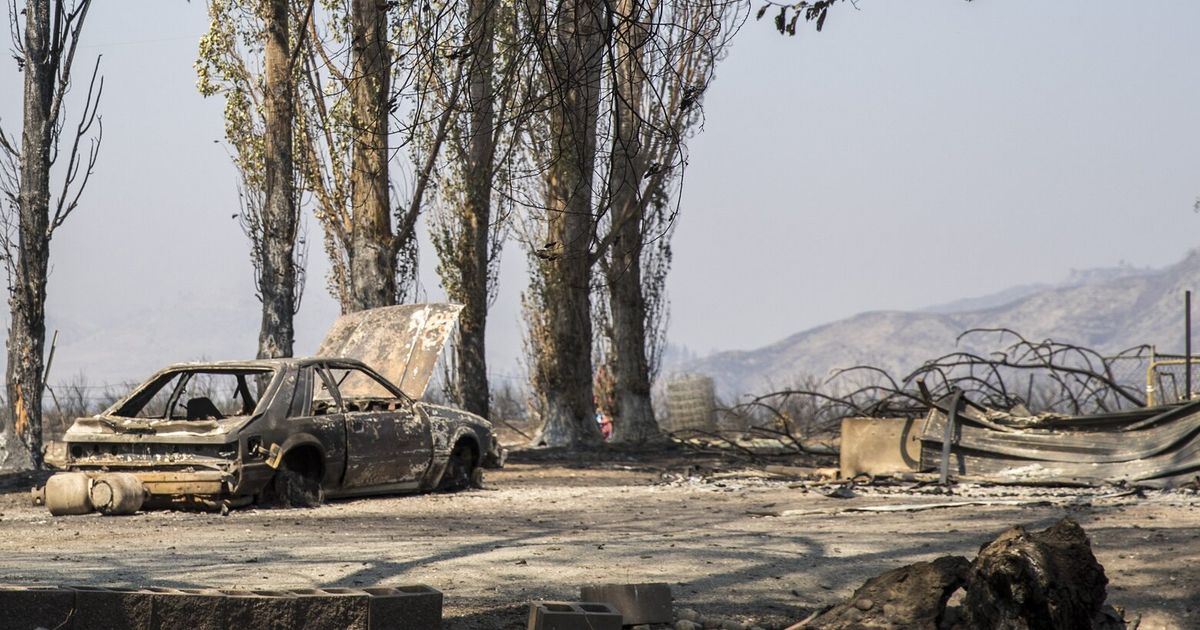
When hot, dry hurricane-force east winds walloped the Pacific Northwest on Labor Day in 2020, the result was chaos, flames and a sky choked by smoke. More than 80 blazes erupted across Washington. Two Palouse towns burned to the ground; a child died near Omak as his parents fled the Cold Springs Fire. In just one day, an area the size of Connecticut was torched in the Evergreen State.
That was the wake-up call Washington lawmakers needed to change the course in how the state prepares for, and responds to, wildfire. In 2021, the Legislature unanimously passed more than $60 million a year in funding in three main areas: first, to accelerate response; second, to prepare and make forestlands more resilient to the flames; and third, to reduce fire risks to homes and structures across the state.
But that funding was drastically reduced in this year’s budget-cutting legislative session. Lawmakers axed that wildfire budget in half, an unacceptable and dangerous outcome in the face of a mounting challenge. Should they fail to restore funding in January, they invite a higher risk of catastrophic losses when conditions like those of Labor Day 2020 return again.
The cuts came despite the proven effectiveness of the increased spending. Consider: In the time since 2020, Washington state and its bolstered firefighting forces have kept 95% of fires under 10 acres. A forest health treatment plan for Eastern Washington has restored about 1 million acres; a parallel plan for the complex — and very different — landscape west of the Cascades is just getting underway. It’s imperative that work continue.
Though it may seem counterintuitive, facing today’s wildfire threat requires acknowledging that snuffing fires completely and entirely, at all times, is not just impossible. It is foolish. For too long, that strategy across the U.S. choked off naturally occurring blazes that made forestlands healthier. So the state’s Department of Natural Resources is again deploying necessary prescribed fire to reduce fuels across landscapes, making them less vulnerable to catastrophic fires. Lawmakers’ 2021 funding boost made this critical work possible.
Unfortunately, it isn’t a matter of turning off the spigot of funding during financially tighter times. Cutting funds means cutting positions and losing institutional knowledge that would take years to get back, State Forester George Geissler said.
“You’re having to start all over again,” he said.
That’s a choice Washington state can’t afford.
Finally, the funding helped all Washingtonians prepare for and reduce wildfire threats in their own neighborhoods. Nowhere is immune from it, as Los Angeles — which suffered from its chaotic, wind-driven ember fires in January — can attest. The Legislature can and should continue to aid residents across the state in “hardening” their homes. Removing landscaping within five feet of structures, closing off eaves to keep embers out, and moving away from fire-susceptible roofing are all important steps forward — before the next fire comes.
As the editorial board has opined before, confronting the wildfire challenge is a choice: pay upfront to prepare and mitigate the risks it brings; or foot a much bigger bill — including the possibility of losing lives to it — later. The Legislature should choose wisely.
