

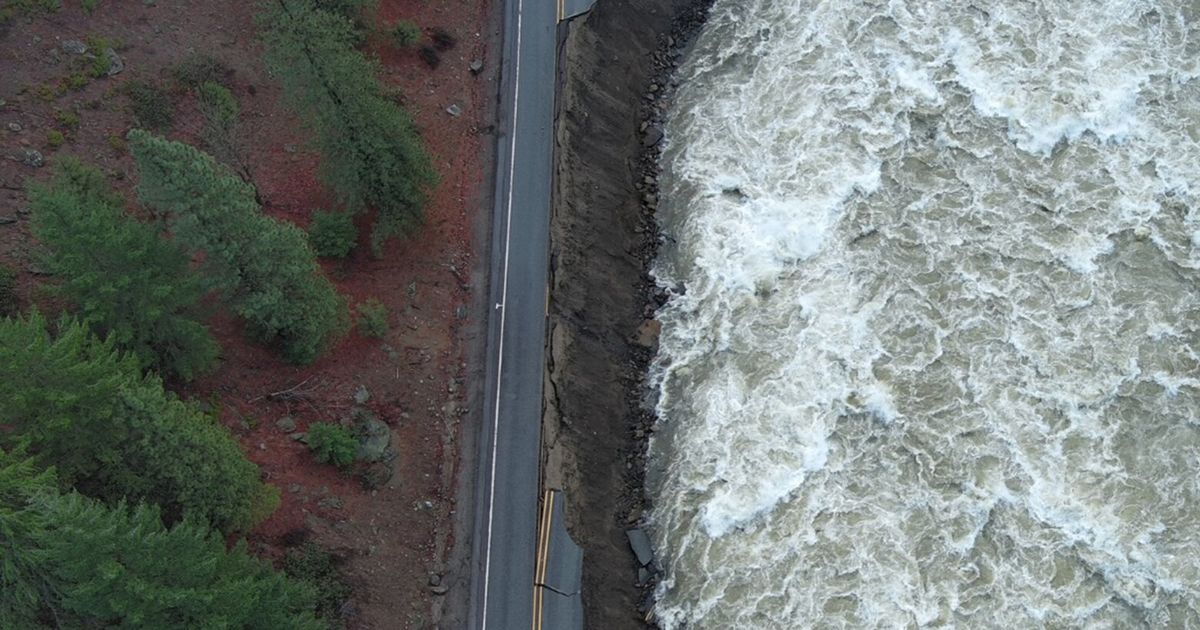
Successive atmospheric rivers may bear much of the blame for drenching the Northwest and causing record-setting flooding. But that focus overlooks another enabler of the chaos. Recent warmer-than-normal temperatures so far have brought little snow accumulation to many mountainous regions across the West, including parts of the Cascades.
Without the usual snowfall, there was nothing to slow the deluge barreling toward the lowlands of Puget Sound, inundating many communities with floodwaters.
Acute as it may feel today, declining snowpack is a long-term symptom of a changing climate. As the burning of fossil fuels continues to warm the world, flooding will likely worsen and become more frequent.
It falls to Washington state leaders to prepare the region for more extreme weather events. They must invest more money in infrastructure that protects at-risk communities around the state.
Consider: Seasonal snowpack levels have fallen off, on average, by about 25% since the 1950s, and are predicted to fall 50% more by 2100. And the lowest mountain levels of snow so far this fall had remained higher than usual — 7,000 to 8,500 feet as of Monday, according to Deputy State Climatologist Karin Bumbaco at the University of Washington. Only later in the week did the snow level finally drop to between 2,000 and 3,000 feet.
“At this point in mid-December, we should have been seeing more snowpack,” Bumbaco said.
Like a battery, snow can store water that tapers flow to lower elevations throughout winter and spring. The current flooding has shown how, without that abatement, heavy rains rapidly funnel through valleys and into river deltas that struggle to contain the surge.
Climate scientists have predicted this phenomenon in numerous studies. One in 2016 showed the Skagit River’s 100-year floods — those formerly with a 1% chance of happening each year — would become 22-year events by the 2040s.
Warmer air moving over a warming ocean is also capable of holding more moisture, exacerbating the problem, scientists say.
“The fingerprints of climate change are all over this flooding,” Bumbaco said.
It may well be years before all the damage is repaired. Since last week’s first atmospheric river arrived, more than 1,200 people have been rescued and evacuated in more than 10 different counties across the state, according to the governor’s office. A man drowned Tuesday near Snohomish after driving his car into a flooded area. Many roadways were closed, including the Cascades-traversing Highway 2, which Gov. Bob Ferguson said will be closed for months due to slides.
Yet Ferguson noted at a news conference Tuesday examples of infrastructure critical to protecting communities. He cited Orting’s setback levee in Pierce County, where a project doubled the size of the channel capacity for the Puyallup River. He also called out the 2019-completed Mount Vernon floodwall, which kept the city’s downtown from flooding.
“The magnitude would have been far, far worse had we not made those investments,” Ferguson said.
Every dollar invested in disaster preparation, including infrastructure, results in $13 saved in cleanup, damage and overall economic costs, according to a report by the U.S. Chamber of Commerce.
There’s more work to be done. Of 305 projects within the King County Flood Control District, many are unfunded, Seattle Times reporter Conrad Swanson noted in a recent story. The Desimone levee near Tukwila, repaired at least four times since 1967, burst open Monday, prompting a flash flood warning.
A changing climate will make this challenge harder. But now is no time to throw up our collective hands in exasperation.
The Trump administration’s approval of federal disaster assistance was a necessary and welcome start to further federal aid. Also helpful was Ferguson’s announcement of $3.5 million in state aid to assist those impacted by the flooding. But that money will only be for temporary help like groceries and hotel stays.
Ferguson and state lawmakers will need to go further.
The governor must align with the state Legislature on priorities not only to get families back on their feet but continue to make flood protection infrastructure investments. In what should be of further help, Washington state’s landmark climate change law, the Climate Commitment Act, raises revenue from polluters that can and should be used to increase resilience and better protect those most at risk.
Our leaders must collaborate with the federal Army Corps of Engineers, steward of many of the region’s flood plain projects, and reinforce levees, give water channels more room where possible and build flood walls when necessary. They also must continue working to prepare the most flood-vulnerable communities for what to do when the rivers swell, crest and inundate neighborhoods.
The best time to prepare is now.
