
Close Menu
    National News Brief
    Friday, July 31
    • Home
    • Business
    • Lifestyle
    • Science
    • Technology
    • International
    • Arts & Entertainment
    • Sports
    National News Brief
    Home » El Niño was linked to famines in Europe in the early modern period

    El Niño was linked to famines in Europe in the early modern period

    Team_NationalNewsBriefBy Team_NationalNewsBriefJanuary 5, 2026 Science No Comments3 Mins Read
    Share
    Facebook Twitter LinkedIn Pinterest Email


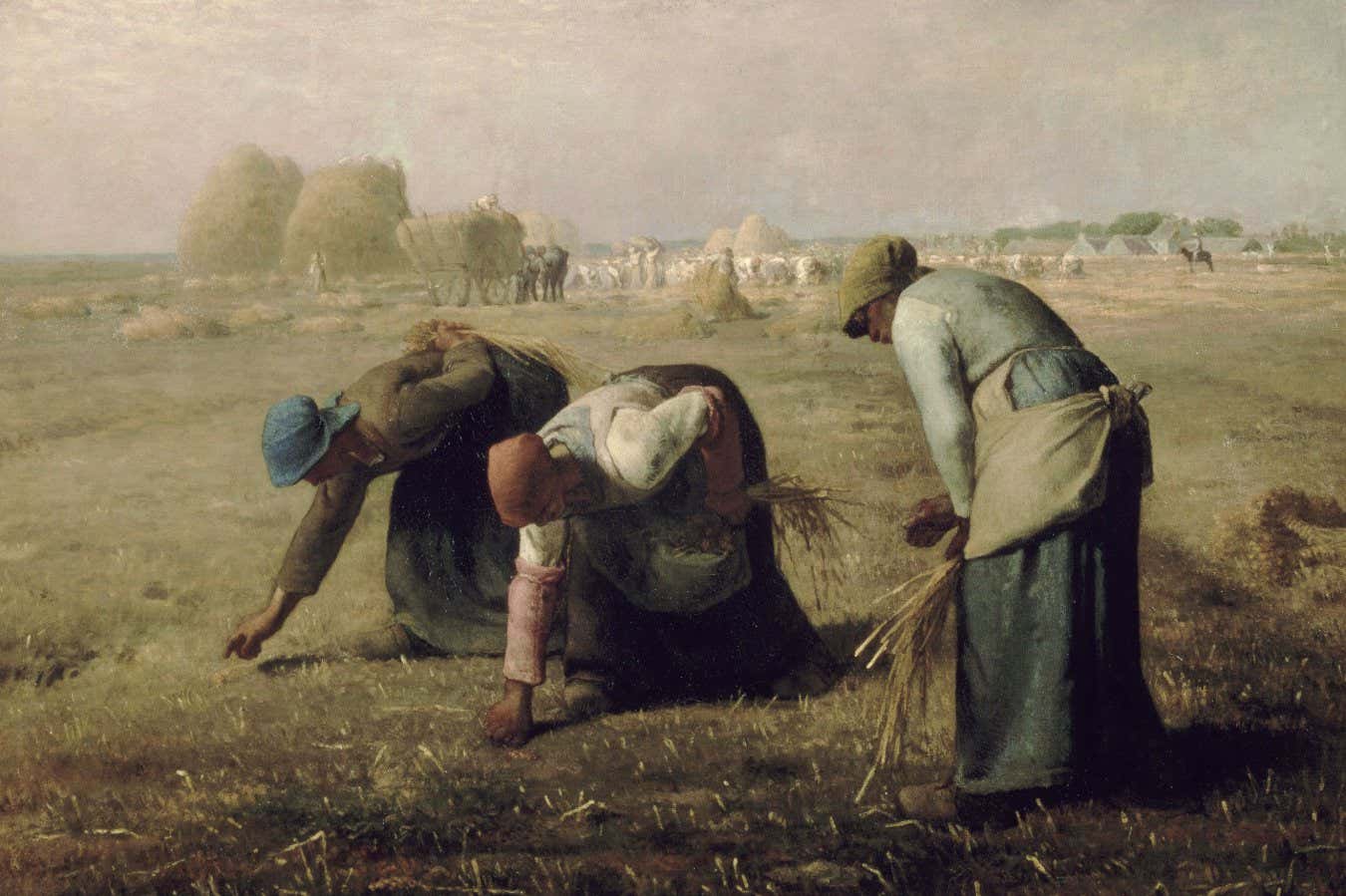
    El Niño events led to crop failures in some parts of Europe and raised grain prices elsewhere

    Public Domain

    The El Niño weather phenomenon, which influences the climate and economies in regions bordering the Pacific Ocean today, also caused famines in Europe between 1500 and 1800.

    During El Niño periods, ocean waters in the central and eastern Pacific become warmer, disrupting trade winds and leading to changes in rainfall patterns around the globe. When waters cool in the same area of the Pacific, it is called La Niña, and these swings between warm and cool ocean phases are known as the El Niño–Southern Oscillation (ENSO).

    The phenomenon has severe impacts on tropical and subtropical regions – especially in Australasia, where it leads to drier weather and often brings droughts and bushfires, and the Americas, where precipitation increases, sometimes catastrophically.

    But until now, little scientific attention has been paid to its effect on Europe, say Emile Esmaili at Columbia University in New York City and his colleagues.

    Esmaili’s team examined a dataset of 160 European famines during the early modern period in Europe, along with a record of El Niño and La Niña based on tree ring data.

    More than 40 per cent of famine onsets in central Europe during this period were associated with El Niño events, they found.

    El Niño tends to increase rainfall in this region, which may have led to excessive soil moisture and crop failures, the researchers say.

    While El Niño events didn’t directly lead to starvation elsewhere on the continent, they increased the annual likelihood that famines would persist by 24 per cent in all nine European regions the researchers studied.

    To explain why, Esmaili and his colleagues also looked at grain and fish prices, finding that El Niño events raised prices for a variety of foods across Europe for several years.

    David Ubilava at the University of Sydney in Australia says the ENSO can still cause food insecurity and malnutrition today among low-income households in regions such as South and South-East Asia, Oceania and parts of Africa.

    But while El Niño events still also affect Europe’s climate, they would be unlikely to have such a severe impact on food security, he says.

    “The same weather effect will have a very different outcome today. Crops are more resilient, production practices are much, much better, weather forecasting went from basically non-existent to pretty accurate and markets are integrated,” says Ubilava.

    Topics:


    Source link

    Team_NationalNewsBrief
    • Website

    Keep Reading

    Avocado flowers switch sex daily—now we know why

    Rescue mission to save NASA’s Swift space telescope is imperiled in orbit

    Spacecraft will swarm asteroid Apophis during fateful 2029 Earth flyby

    Astronomers spot best-yet example of a wandering supermassive black hole

    Hundreds of ancient, never-before-seen ‘earthworks’ discovered in the Amazon

    Bizarre new material discovered in Hiroshima bombing debris

    Add A Comment

    Comments are closed.

    Editors Picks

    It’s time for the next wave of tech policy thinkers

    February 16, 2025

    Juan Soto is in the midst of a historic season for the Mets

    September 3, 2025

    Quran burner shot dead in Sweden, five arrested

    January 30, 2025

    Ofcom vows to name and shame platforms over online sexism

    November 25, 2025

    Iran will halt attacks as long as US maintains pause, Iranian source says after Trump calls off strikes

    July 26, 2026
    Categories
    • Arts & Entertainment
    • Business
    • International
    • Latest News
    • Lifestyle
    • Opinions
    • Politics
    • Science
    • Sports
    • Technology
    • Top Stories
    • Trending News
    • World Economy
    About us

    Welcome to National News Brief, your one-stop destination for staying informed on the latest developments from around the globe. Our mission is to provide readers with up-to-the-minute coverage across a wide range of topics, ensuring you never miss out on the stories that matter most.

    At National News Brief, we cover World News, delivering accurate and insightful reports on global events and issues shaping the future. Our Tech News section keeps you informed about cutting-edge technologies, trends in AI, and innovations transforming industries. Stay ahead of the curve with updates on the World Economy, including financial markets, economic policies, and international trade.

    Editors Picks

    Three things we learned about AI from Big Tech earnings

    July 31, 2026

    Only The Tip Of The COVID Conspiracy Has Surfaced

    July 31, 2026

    SUICIDAL EMPATHY: Watch a Student From NYU Explain Why She Would Not Want Her Rapist Jailed (VIDEO)

    July 31, 2026

    Tori Spelling Exits ‘Beverly Hills 90210’ Rewatch Podcast

    July 31, 2026
    Categories
    • Arts & Entertainment
    • Business
    • International
    • Latest News
    • Lifestyle
    • Opinions
    • Politics
    • Science
    • Sports
    • Technology
    • Top Stories
    • Trending News
    • World Economy
    • Privacy Policy
    • Disclaimer
    • Terms and Conditions
    • About us
    • Contact us
    Copyright © 2024 Nationalnewsbrief.com All Rights Reserved.

    Type above and press Enter to search. Press Esc to cancel.