

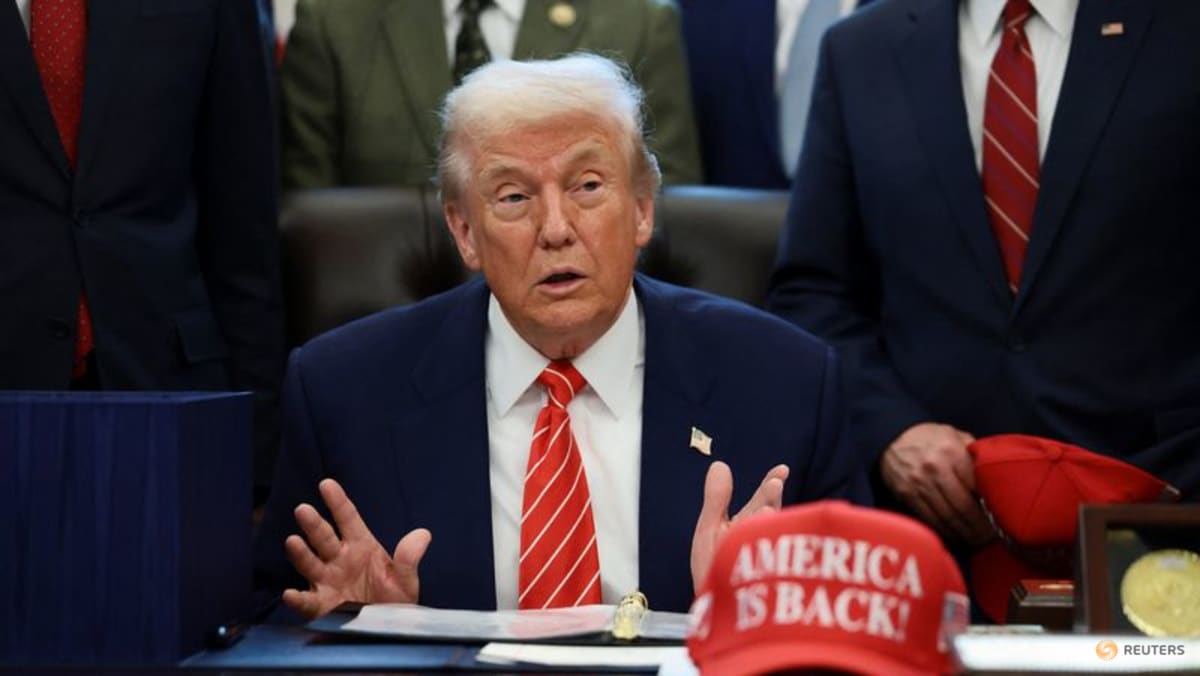
Similar behaviour can be observed in Mr Trump’s approach to trade and foreign policy. For example, the president may have renegotiated tariff rates down with India but he is unlikely to jettison his signature tariff policy even as the toll on the economy is becoming evident, as seen by the recent tariff threats directed at South Korea.
Meanwhile, the Republicans recognise that the US faces an affordability crisis but remain too divided to come up with solutions. So, they are instead backing the president’s initiative to “safeguard” elections from alleged voter fraud. Mr Trump, who remains convinced that the 2020 US presidential election was rigged against him, has ramped up attacks on the electoral system. His latest idea is to take responsibility for organising elections away from some US states and hand it to the federal government instead.
Despite the electoral headwinds, Mr Trump and the Republicans appear to be sticking, rather than twisting.
UNCERTAINTIES REMAIN
Lessons from the past suggest that Mr Trump and his Republican Party are unlikely to buck the historical trend at this year’s US midterms. Rather, we are likely to witness a replay of his first midterm election in 2018 when Democrats regained control of the House.
Currently, Democrats have a five-point advantage in a generic ballot among registered voters. The party is unlikely to yield the net gain of 40 seats like it did in 2018 but flipping half that number of seats would suffice to regain control of the House.
That said, nothing in politics is set in stone.
For the Democrats, the 2022 midterm elections should be a cautionary tale. Then, many indicators pointed to large Republican gains, but poor candidate selection and the issue of abortion rights helped blunt the election as a referendum on Mr Biden and the anticipated “red wave” never materialised.
