

Israel’s war on Lebanon has thrown a country already suffering from compounding crises – economic, banking, political – into an even deeper void.
A day after the start of the war in Gaza on October 7, 2023, Israel and Lebanon’s Hezbollah group began exchanging strikes across the border, which have displaced tens of thousands of people on both sides.
On September 23, Israel escalated its attacks on Lebanon and a few days later launched a ground invasion, pushing the number of displaced people in Lebanon above 1.2 million and killing more than 2,300.
Government services for the displaced and injured have been insufficient as the caretaker government scrambles to fill the need.
Here’s a look at the situation in Lebanon today as its government struggles:
What’s wrong with Lebanon and its government?
In October 2019, the economy crashed and banks shut down, locking depositors out of their savings and ushering in an economic crisis.
The next year, the COVID-19 pandemic further battered the economy, and one of the strongest nonnuclear explosions ever recorded devastated Beirut’s port and surrounding neighbourhoods.
The Lebanese lira lost more than 98 percent of its value amid triple-digit inflation rates.
Adding to the crisis, Lebanon’s caretaker government is largely paralysed by political bickering and rampant corruption.
Lebanon also hosts more refugees per capita than any other country, furthering the economic strain.
What’s happening to the Lebanese people?
Poverty in Lebanon increased threefold from 2012 to 2022.
The financial crisis wiped out most of the middle class and pushed nearly half the Lebanese population into poverty, according to the World Bank.
The issues stem from the ruling classes’ obstinacy and failure to reform despite international pressure, according to analysts.
The Lebanese people rose up in 2019 against the government and the elites who control the country and its resources. The nationwide protests were derailed by COVID-19 and the port explosion.
Despite rampant corruption and the refusal of the political class to enact meaningful reforms that would lead to accountability and more transparency, foreign states continue to give Lebanon’s leaders aid.
How is Israel’s war making things worse in Lebanon?
Israel’s bombardment and ground invasion have protracted the displacement of residents in the south, east and Beirut’s southern suburbs.
The bombardment of southern Lebanon – Lebanon’s agricultural heartland – also has destroyed a source of revenue for many displaced residents.
“Now it’s the harvest season for olives,” said Laila Al Amine, who heads the Beirut office of the international relief organisation Mercy Corps. “Those who lost their harvest last year will lose another one this year too.”

How are the displaced people managing?
About 1.2 million people have been displaced, according to the Lebanese government.
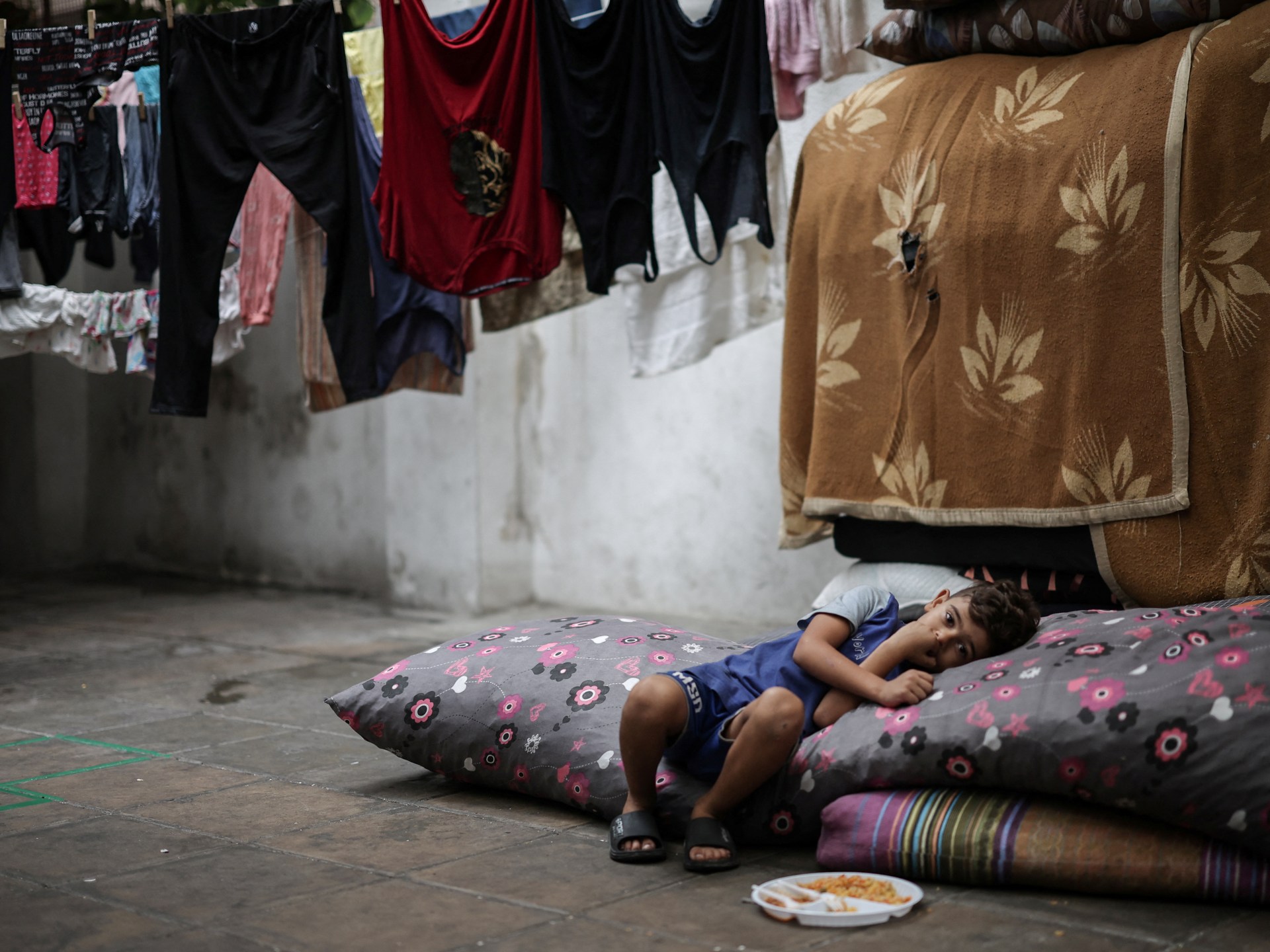
People are sleeping in schools that have been turned into shelters while others have taken refuge on the streets or by the sea.
Rent prices have increased substantially in safer areas while parts of the south, the Bekaa Valley in the east and Beirut’s southern suburbs have been decimated.
On Monday, Israel also carried out an attack in northern Lebanon, striking a displaced family in Aitou near Zgharta and killing at least 23 people.
Its target was unclear, but the attack struck fear into many people who have taken in displaced people.
Last week, Israeli Prime Minister Benjamin Netanyahu gave the Lebanese people an ultimatum to either challenge Hezbollah or accept Lebanon becoming another Gaza.
Some analysts said this was akin to Netanyahu demanding that the Lebanese start a civil war.
The attacks and comments make up what analysts said is Netanyahu’s strategy to sow fear and have Lebanese turn on each other.
How has the Lebanese government responded?
The caretaker government of Prime Minister Najib Mikati has a limited impact in normal times and, therefore, will struggle to be effective in such a crisis.
The longer the war goes on, the less the already reeling administration will be able to have an influence.
The government activated a national emergency plan for a joint humanitarian response with United Nations organisations and partners.
However, the government offered the southern city of Sidon only $50,000 to meet needs that local officials had estimated at $1m a month, according to Action for Humanity, an international NGO providing aid in Lebanon. And that was before Israel’s intensification.
“Bombs are falling around us. People’s lives are being ripped apart,” Faraz Yousafzai from Action for Humanity told Al Jazeera.
“This doesn’t even begin to address the spiralling needs.”
The Ministry of Education has turned schools into temporary shelters for many of the displaced, but there are still thousands who are struggling to find shelter.
The government has been taking part in talks with the international community in attempts to achieve a ceasefire.
Lebanon’s foreign minister told CNN the late Hezbollah leader Hassan Nasrallah had agreed to a temporary ceasefire shortly before Israel assassinated him with half-tonne bunker buster bombs.
