

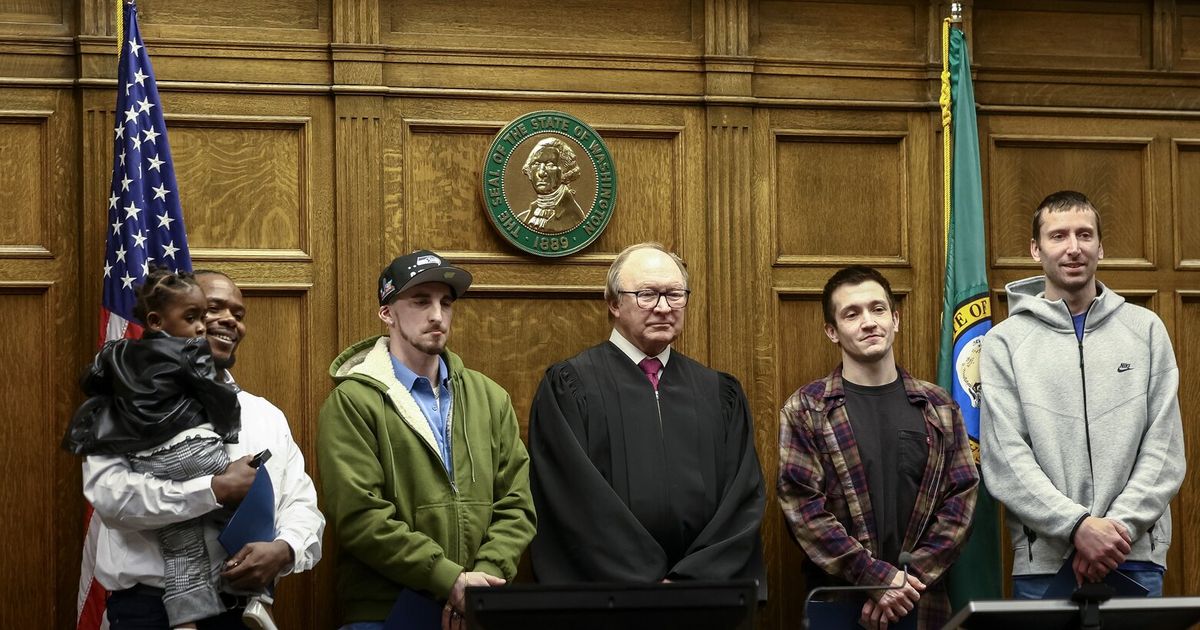
When I walked into a felony drug diversion courtroom in 2018, I was not coming from any kind of stability. I was coming straight off the streets.
For years, I had been trapped in a cycle I could not escape: using substances, running out, committing crimes to get more, getting arrested, getting booked into jail, getting released and starting the cycle all over again. My life was defined by chaos and survival. I had burned every bridge I had, and each day was about making it to the next one. I did not enter that courtroom with hope. I expected another system that would process me, hand me a consequence and move on.
Instead, I walked into a room full of people who genuinely cared. There was a judge who knew my name and a team that expected more from me than I expected from myself. It was a system built on accountability, compassion and empowerment, supported by people who meant it. That changed everything.
Therapeutic court did not help me by going easy on me. It helped me by holding me accountable. I had to show up, do the work, stop using and take responsibility for my decisions. At first, I resisted it. Then I adapted to it. Eventually, I grew because of it. That accountability did not break me. It built me. It gave me structure when I had none and taught me discipline I had never learned. It forced me to take ownership of a life I had completely lost control of. Through that process, something new emerged: real empowerment. Not the kind you talk about, but the kind you earn.
One of the biggest misconceptions today is that compassion and accountability are opposites. They are not. In therapeutic courts, they work together. Compassion does not mean lowering expectations. It means recognizing that people grow through support, not fear. It means understanding that relapse, setbacks, and mistakes are part of the process, not signs of failure. In therapeutic courts, people are supported even when they struggle, even when they slip, even when they are still learning how to stand on their own. That support is not the absence of accountability. It is the foundation of it. Accountability, compassion, structure and love are all tools used together to help people rebuild their lives.
Somewhere along the way, the word “diversion” became misunderstood. Diversion is not a free pass or a way to avoid consequences. Diversion only works when you divert someone away from harm while also expecting something meaningful from them. And at the heart of diversion is a simple truth: We meet people where they are, but we do not leave them there. Therapeutic courts understand that people enter the system in crisis, but with the right expectations, support, and structure, they can leave with stability, dignity, and purpose.
Recovery itself is often misunderstood in the same way. Accountability in recovery is not just about stopping a behavior. It is about growing into a healthier version of yourself. Recovery looks different for everyone, and if someone is moving their life forward, no matter what that looks like, I will always support that. Therapeutic courts recognize that progress is not linear. What matters is that people are moving toward a life they can sustain.
Today, I do not just talk about therapeutic courts. I work in them. I advocate for them. And I have watched thousands of people walk the same path I did: entering the system broken and leaving with purpose. I have seen people gain jobs, rebuild families, find stability and step into leadership roles in their communities. That is not theory. That is real. Diversion through therapeutic courts work because they expect more from people and then provide the structure and support needed to rise to that expectation.
I am not an exception. I am the result of what happens when accountability turns into empowerment and someone finally gets the chance to rebuild their life. Therapeutic courts work. I am living proof.
