
Close Menu
    National News Brief
    Saturday, September 12
    • Home
    • Business
    • Lifestyle
    • Science
    • Technology
    • International
    • Arts & Entertainment
    • Sports
    National News Brief
    Home » Don’t let your sleep tracker keep you up at night

    Don’t let your sleep tracker keep you up at night

    Team_NationalNewsBriefBy Team_NationalNewsBriefMay 18, 2026 Opinions No Comments3 Mins Read
    Share
    Facebook Twitter LinkedIn Pinterest Email


    In our modern age of health optimization, sleep is no exception. We want the best rest in the least amount of time. We are increasingly turning to sleep- tracking devices to find it.

    The focus on improving sleep is welcome, given its vital role in health. There are, however, pitfalls to relying on technology when the solutions to better sleep require behavioral change that can be achieved without technology.

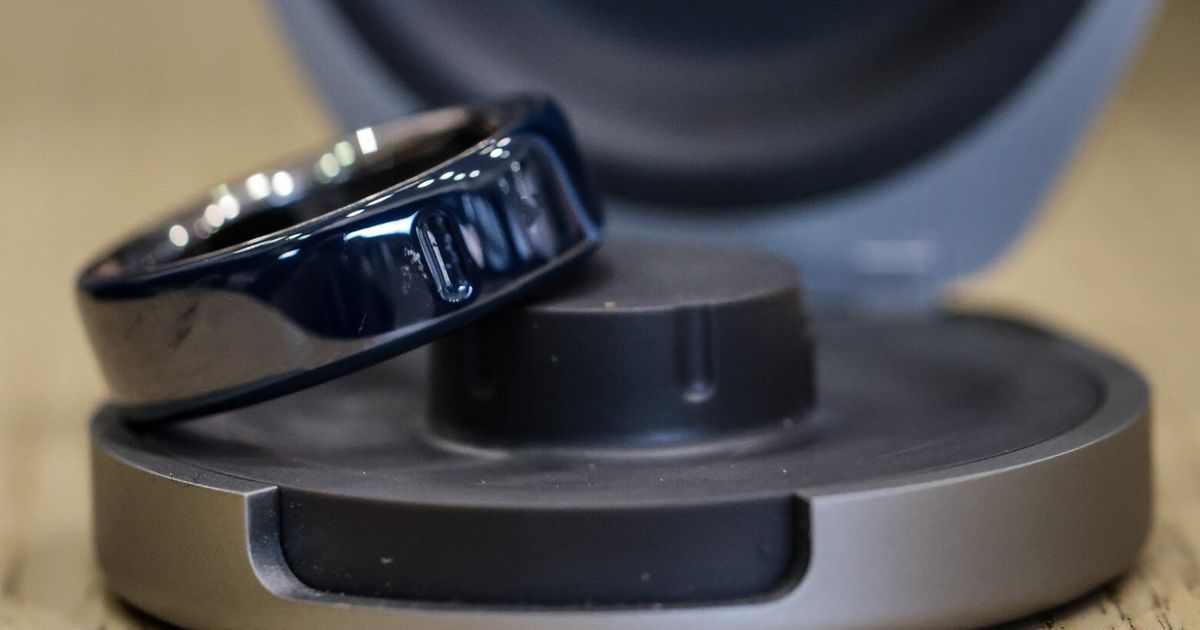
    Unlike sleep studies used by clinicians, which directly measure brain waves, sleep trackers such as watches and rings measure signs that are correlated with sleep — like heart rate, temperature, oxygen, breathing, snoring and movement. From those signs, the trackers estimate sleep measures like duration, stages and interruptions.

    Most trackers, unfortunately, haven’t been compared with sleep studies in peer-reviewed research, so their accuracy is unknown. Results of scientific evaluations have been mixed. A 2021 article in the journal Sleep reported that seven trackers could detect when someone was asleep but inconsistent at identifying sleep stages.

    Accuracy aside, the question remains whether trackers actually improve sleep. Basic information like the window and duration of time in bed, which the trackers measure, are important to know because they are modifiable behaviors that can impact sleep quality. Trackers conveniently measure these factors, but a clock, pen and paper can achieve the same aim.

    It is unclear, however, whether detailed, tracker-collected data such as sleep stages helps improve sleep. The critical steps needed to improve sleep are behavior changes. If tracking sleep details motivates those changes, that could benefit users.

    For some people, tracking detailed data about sleep may actually be harmful.

    Sleep is a natural automatic process. Like breathing, it can be interfered with if the mind pays too much attention to it. Trackers may encourage some people to develop an unhealthy obsession with sleep, which could lead to insomnia. A 2017 case report in the Journal of Clinical Sleep Medicine coined the term “orthosomnia” to characterize this problem. The term refers to an unhealthy obsession with achieving perfect sleep data.

    For some, the morning ritual of checking a sleep score creates a cycle of anxiety. If the tracker says they had poor sleep, they may feel tired and stressed all day — even if they actually felt fine before they checked their score.

    As a sleep physician, I see some patients who trust their trackers more than their own perceptions. A patient might worry about “fragmented sleep” or a “lack of deep sleep” reported by their watch. Yet when I ask how they feel, they admit they don’t remember waking up and generally feel rested.

    In sleep medicine, perception matters. A diagnosis of insomnia requires that an individual actually feels bothered by their sleep.

    For the typical healthy person, knowing what to do to improve their sleep is simple. Here is the short list:

    1. Prioritize a consistent window of at least seven hours in bed.
    2. Create a sleep space that is dark, quiet and comfortable.
    3. Exercise daily and get outdoor light in the morning.
    4. Eat a healthy diet and allow adequate time to digest before bed.
    5. Avoid using electronics in bed.

    When approached with curiosity, trackers may be useful in conveniently monitoring sleep and motivating positive change. But don’t underestimate the value of healthy sleep habits and paying attention to how you feel.

    Vishesh Kapur: is a sleep medicine physician, the founder of the UW Medicine Sleep Center and a professor at the University of Washington School of Medicine.


    Source link

    Team_NationalNewsBrief
    • Website

    Keep Reading

    The U.S. is running out of weapons. Blame Congress

    Who will buy all the mansions now that AI is making techies obsolete?

    Meta extending its fight over Washington disclosure law

    Trump’s ‘America’ name game is out of control

    Hegseth has turned the Army into a rudderless ship

    Promising model for homelessness unites Seattle businesses, social services

    Add A Comment

    Comments are closed.

    Editors Picks

    Mark Zuckerberg’s Meta Connect 2026 playlist has the vibe of a cringey college party

    May 13, 2026

    AI could could cause global economic downturn, Andrew Bailey warns G20

    August 31, 2026

    Iran official says 10 sailors wounded, five missing after overnight clash with US

    May 8, 2026

    No space, no time, no particles: Vlatko Vedral’s radical vision of quantum reality

    October 28, 2025

    Mario Cristobal doesn’t hold back on NIL chaos in CFB

    May 14, 2026
    Categories
    • Arts & Entertainment
    • Business
    • International
    • Latest News
    • Lifestyle
    • Opinions
    • Politics
    • Science
    • Sports
    • Technology
    • Top Stories
    • Trending News
    • World Economy
    About us

    Welcome to National News Brief, your one-stop destination for staying informed on the latest developments from around the globe. Our mission is to provide readers with up-to-the-minute coverage across a wide range of topics, ensuring you never miss out on the stories that matter most.

    At National News Brief, we cover World News, delivering accurate and insightful reports on global events and issues shaping the future. Our Tech News section keeps you informed about cutting-edge technologies, trends in AI, and innovations transforming industries. Stay ahead of the curve with updates on the World Economy, including financial markets, economic policies, and international trade.

    Editors Picks

    Anthropic blocks possible attempt to use AI to make biological weapons

    September 11, 2026

    Market Talk – September 11, 2026

    September 11, 2026

    Trump Appears Unwell at 9/11 Memorial Event

    September 11, 2026

    Andrew Garfield And Other Stars Involved In Emergency Landing

    September 11, 2026
    Categories
    • Arts & Entertainment
    • Business
    • International
    • Latest News
    • Lifestyle
    • Opinions
    • Politics
    • Science
    • Sports
    • Technology
    • Top Stories
    • Trending News
    • World Economy
    • Privacy Policy
    • Disclaimer
    • Terms and Conditions
    • About us
    • Contact us
    Copyright © 2024 Nationalnewsbrief.com All Rights Reserved.

    Type above and press Enter to search. Press Esc to cancel.