

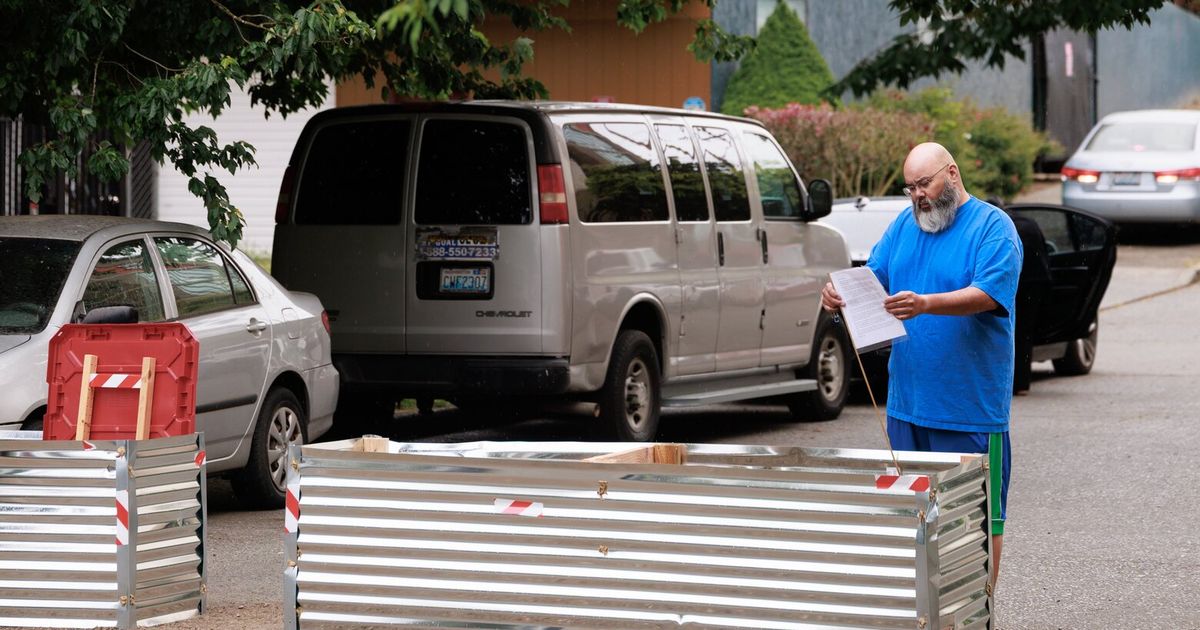
The problems of North Aurora Avenue are so blindingly obvious — the human misery, exploitation and violence of the sex trade so out in the open — it is no wonder neighbors are taking the law into their own hands.
Putting out planters in the middle of North 97th, 98th and 102nd Streets to block cars and deter gunshots is a mild sort of vigilantism, but it happened and it represents a moment of true crisis.
“Unfortunately, our city leadership is broken,” said Jake Wallack during public comments at the Seattle City Council on May 26. Wallack had written to Mayor Katie Wilson and other officials that his North Aurora neighborhood had suffered through five shootings in five days, with no response.
“The city is allowing unchecked prostitution, human trafficking, and the related violence. It’s gang-led, organized, violent human trafficking, and the city is turning their eyes,” said Wallack at City Hall.
The community has every right to demand better. Unfortunately, elected leaders — stricken by what Councilmember Bob Kettle termed “two minds” when it comes to balancing compassion and accountability — have created an atmosphere where pimps and traffickers believe no one will stop them.
In 2024, the Seattle City Council passed legislation drafted by the former member who represented North Aurora to create Stay Out of Areas of Prostitution orders. These enabled municipal court judges to bar people suspected of buying or trafficking victims from the neighborhood.
It was a modest strategy but at least showed attention to the problem.
Last December, the editorial board called out Seattle City Attorney Erika Evans for following through with her misguided campaign promise not to request any further SOAP orders or charge anyone with violating them. In a debate, Evans called SOAP part of “racist policies.”
At the time, there were 32 active SOAP orders and another 10 that had been issued but not yet served on the defendant. Evans’ decision made them effectively moot.
And what signal did that send both the victims of the sex industry and those who wish to perpetuate it? Anything goes.
When contacted by the editorial board last week, Evans was asked about her reaction to residents so desperate they were doing their own things to improve public safety.
She wrote, “Neighbors along Aurora are frustrated, and some feel they have no choice but to take this step to deter harmful behavior and get the attention of City officials … Seattle deserves solutions that actually reduce crime and exploitation.”
It was the same story when the Legislature failed earlier this year to pass a measure making purchasing sex from adults a felony.
The arrival of thousands of World Cup tourists lends urgency to combat trafficking and the accompanying violence seen along Aurora Avenue North and other areas of Washington. Already, King County prosecutors say Seattle’s proximity to Canada and its part in the trafficking circuit between Las Vegas, Phoenix and Los Angeles make the region a magnet.
“Lawmakers must do everything possible to deter sex trafficking and the violence, abuse and exploitation that are its hallmarks,” wrote the editorial board last January.
Frustratingly, the bill died.
“Regarding Olympia, you can argue they (legislators) are of two minds, too,” said Kettle at a council briefing, referencing the failed legislation. “That bill should have passed. It would have made a difference to what we’re seeing on Aurora.”
That such misery is allowed on our streets ought to be an outrage. The anger and frustration felt by so many people for so long in North Seattle is real.
Even when the Seattle City Council passes laws such as SOAP and creates a network of closed-circuit police surveillance cameras, separately elected officials such as Wilson and Evans can ignore it all.
City leadership is broken. It will take sustained pressure by neighbors — and some real conversations about this fall’s race to fill an open seat on City Council representing North Seattle — for something positive to come out of the current mess.
