

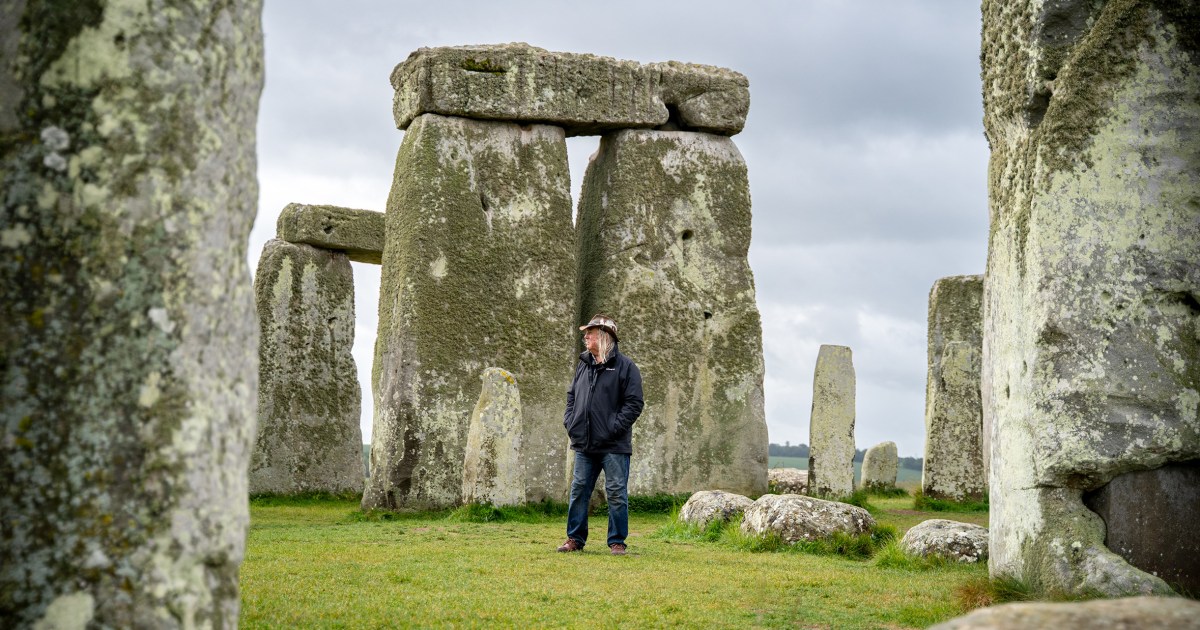
LONDON — It’s just a stone’s throw away, but archeologists have discovered an earlier and simpler version of Britain’s iconic Stonehenge that predates the ancient landmark by around 500 years.
Subscribe to read this story ad-free
Get unlimited access to ad-free articles and exclusive content.

Researchers uncovered two large pits that they believe once held towering wooden posts in the village of Bulford 3 miles to the east of Stonehenge in southern England, according to a news release from Wessex Archaeology, whose team made the discovery.
“Up till now, our knowledge of this ancient feat of astronomy was based on Stonehenge and other monuments of a similar period,” Phil Harding, who led the excavation, said in the news release Thursday. “But what we’ve discovered at Bulford is 500 years earlier than the famous stones we know so well.”
While the timber has long since rotted away, the posts lined up to point directly at the rising sun during the summer solstice and the setting sun at the winter solstice — in the same way as Stonehenge.
In an interview with NBC News, Harding said he was “ecstatic, but cautious,” as the team had to be “absolutely certain” their interpretations were correct.
Researchers also uncovered pottery, flint tools and animal bones at the site, suggesting it may have been a focal point for ceremonies and gatherings.
