

Recently, this paper published an editorial that took issue with my voting record on the State Board of Natural Resources (“WA state schools chief should leave forestry to the experts,” June 7).
For almost 70 years, the BNR has been responsible for establishing policies and approving sales related to our state’s public lands. Because some timber sales are required to support Washington’s public schools, the state superintendent serves as a member of the board.
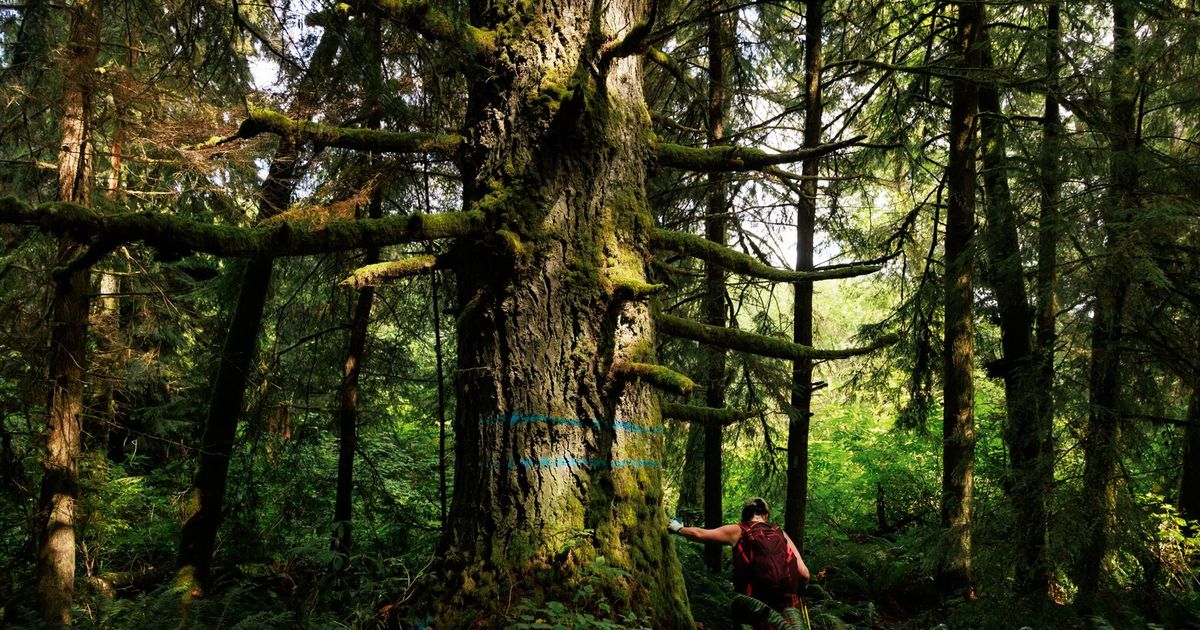
In my nine years on the BNR, I voted for 97% of all the sales presented, and against 3%. I have voted against sales that represented older, structurally complex forests. These aren’t quite old-growth stands, but if we conserve them, they can be.
While the editorial board objects to my voting against some timber sales, I don’t agree that the role of the BNR is to rubber stamp the proposals that come before us. If board members aren’t expected to carry out the work thoughtfully, then why does the BNR exist at all?
The Seattle Times believes that I should appoint a designee to the BNR in my place. It’s true that I successfully advocated last year for the ability to appoint someone else to serve in my place. I stay on, though, because we are facing the most damaging future our Northwest forests have experienced since human beings first occupied the area.
Cutting trees to fund schools is a 19th-century concept. Instead, I have called for several things to modernize this archaic system.
First, decouple timber harvests from school funding and get the Legislature to uphold its constitutional duty to fund schools as its paramount duty. Trust land revenue for schools now represents 0.3% of school district budgets, and most districts get nothing. Despite the editorial board’s rhetoric, school districts have always been told to be cautious about how they budget their highly volatile timber revenue.
Second, conserve the last of the structurally complex forests that have naturally regenerated, and give us the best chance to enhance old-growth volumes for generations of students and Washingtonians to experience.
Third, retain the money generated in rural areas within those communities. One of my first actions as state superintendent was to reverse a 40-year rule requiring my office to reduce funding, dollar-for-dollar, from school districts when they benefited from a harvest. After my rule change, the funds support the school districts in which they are generated. Now, our rural healthcare system is on the verge of collapse, and these dollars are needed more by counties and healthcare systems than by schools, if the Legislature is doing its job and fully funding education.
Fourth, dedicate a far bigger share of revenue from timber sales to forest management: strategic thinning, silviculture and a host of strategies to prepare us for the growing risk of catastrophic wildfires.
Fifth, restructure the Board of Natural Resources to include more than trust beneficiaries to balance the perspective and purpose of our public lands. Recreation, conservation, tribes and other stakeholders would give the BNR better representation.
And finally, settle on the role of the BNR. If the board is intended to merely serve as a rubber stamp, let the commissioner of public lands simply decide what we harvest based on policy and legislation. But that’s not the law today. Today, every sale goes through the BNR on a monthly basis, and I presume it’s because the Legislature intended to have discussion, debate and at times disagreement on those sales.
As an educator, I see the world through a lens of what provides maximum benefit to future generations. On some occasions, that means keeping trees standing instead of generating limited short-term revenue that often doesn’t even land in the rural community where it’s generated.
