

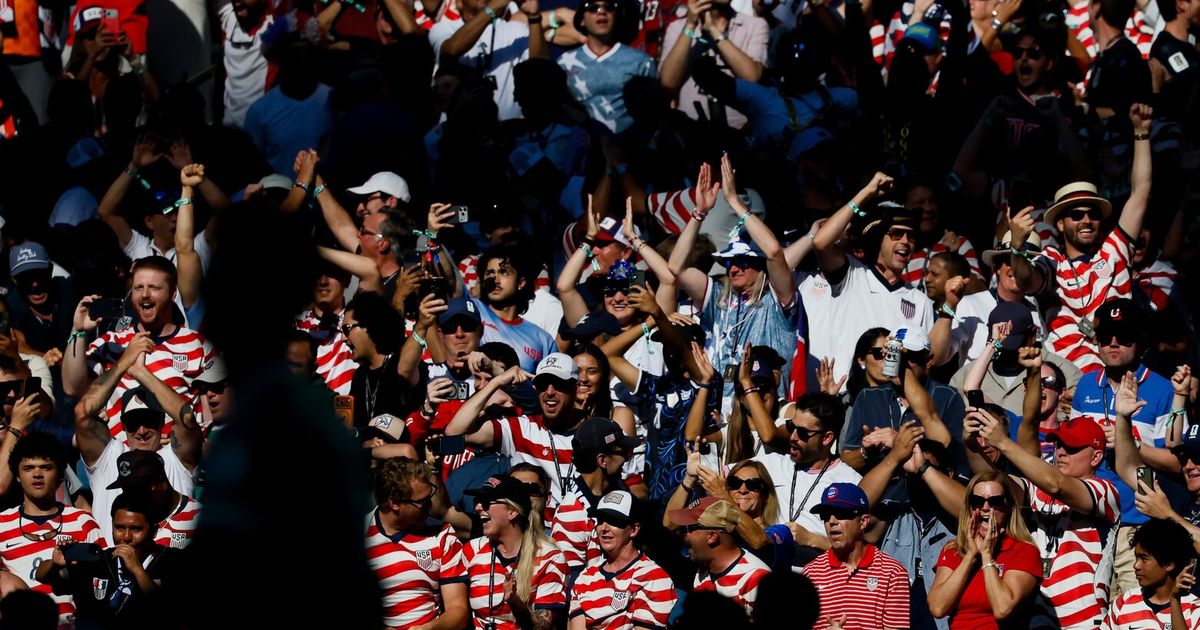
As the region basks in the afterglow of hosting successful FIFA Men’s World Cup matches, credit and thanks ought to be extended to all the organizers and volunteers who made it happen.
In the big picture, the history-making event goes down as a big win for the Seattle Establishment, and highlights what more can be accomplished.
By Seattle Establishment, the editorial board does not mean corporations.
The Seattle Establishment is the coming together of big business, big labor, community leaders — the players who have made things happen around here since Seattle hosted the Alaska-Yukon-Pacific Exposition in 1909.
The same class of movers and shakers brought Seattle the 1962 World’s Fair.
Let’s look past the marches and viewing parties and good vibes of the last few weeks.
What made the Seattle World Cup successful was the stadium, approved by local voters in 1997 after Microsoft co-founder Paul Allen offered to chip in $130 million.
Remember the anti-stadium group “Citizens for More Important Things”? They raised some good points. They ended up being wrong.
What made the Seattle World Cup successful was light rail, long a dream of civic boosters and built over decades with the support of the local business community, unions and environmentalists.
Anti-transit activists fought it all the way, contending no one would ride it and the tracks would fall into Lake Washington. They raised some good points. They ended up being wrong.
What made the Seattle World Cup successful was Waterfront Park, opened last year and made possible when the aging Alaskan Way Viaduct was replaced by a tunnel.
That project, too, united the big players in common cause.
These things are never easy. Then-Mayor Mike McGinn made it his mission to stop the tunnel and instead put thousands of cars and trucks along the waterfront and through downtown streets. He lost that fight and eventually lost reelection.
The true heroes are the taxpayers who forked over billions of dollars to build the infrastructure that reshaped the region and made this sports gala such a success.
There is talk of Seattle seeking the 2031 FIFA Women’s World Cup. Given the recent experience, that is a worthy endeavor.
Now is an opportunity to think about the many assets of this region, how they came into being, who was on the team that made them happen, and wonder what other accomplishments lie ahead when leaders gather together and allow unity and competence and wisdom to chart the course.
At a time when anger-fueled overturning of the political apple cart seems to be all the rage, the Seattle Establishment just found the back of the net, and the entire region is better off for it.
