

In the run-up to the World Cup, some wondered if it was all overblown. How many more times would we hear the phrase “welcoming the world to Seattle”? So much effort, years of preparation, for six games. Was it worth it?
Unequivocally, it was. I’ve never seen so much collective joy filling our streets, our buses and trains, our public spaces. National and international press sang Seattle’s praises, from the ease of getting around to our tasty Seattle hot dogs. I’ve never felt prouder of our city. And there is much we can learn from this success.
This is what it looks like when government delivers. From transportation to event logistics to public safety, city departments created a seamless experience for visitors, residents and workers alike. I’m grateful to my fellow public servants who worked long hours to pull this off.
And it wasn’t just the city. It took collaboration among our SeattleFWC26 Local Organizing Committee, multiple jurisdictions, tribal governments, transit agencies, and countless community and private partners. This is what we achieve when we show up, dream big and work together.
Seattle’s World Cup revealed something else, something many of us knew, despite the persistent voices pushing narratives of decline. Seattle is a great city. A world-class city. A city we’re proud to call home.
“I fell in love with my city all over again.” I’ve heard this from so many residents. And from visitors: “Seattle surpassed my expectations, it’s been the best stop of our trip.”
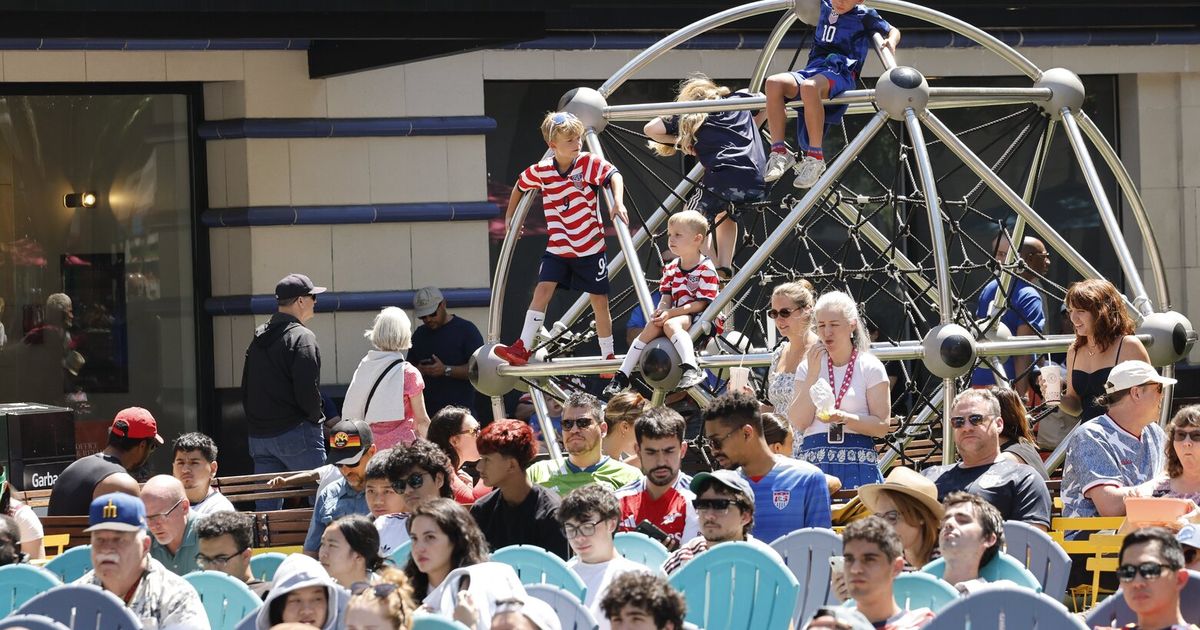
That enthusiasm isn’t just about mountains, water and long summer days. It’s about what we’ve built over generations. Fans didn’t just attend a soccer match. They wandered our waterfront and marched through Pioneer Square before the game. They rode trains, buses and ferries. They gathered in parks, plazas and restaurants. They experienced a World Cup hosted in the heart of a real city.
And it’s also about who we choose to be. We loudly, proudly celebrate Juneteenth and Pride. We don’t just welcome the world for a few weeks, we stand up for immigrants every day. And, from free youth tickets and watch parties to colorful public art to breaking a dim sum world record in our historic Chinatown International District, we make sure everyone can join the fun.
Now we know what Seattle can feel like. How can we carry this joyful energy forward? We can’t keep the USMNT and the Socceroos in town to face off weekly, as buoying as that might be for civic spirit. But we can continue city-crafting, building Seattle into the greatest city in the world.
Magic happens when we create inviting, people-centered public spaces — a car-free Pioneer Square, Pike Place Market, our new Waterfront Park, Seattle Center — and give people reasons to gather and shop there. Let’s do more of this across neighborhoods citywide, including those that didn’t see the hoped-for boost from World Cup crowds.
Another ingredient in the World Cup magic was simple: more people. What if more residents mingled with the visitors? Supporting local businesses, raising families, working downtown, starting businesses and contributing to our culture and civic life? Let’s embrace Seattle as a growing city — and build the abundant housing, safe streets and great public transit that are essential to urban vitality.
None of this works if housing and childcare are out of reach for working families. Great cities can’t just be playgrounds for the wealthy, and cities without kids are neither resilient nor fun. And we must act with urgency to reduce unsheltered homelessness and make progress on persistent public safety problems, neighborhood by neighborhood.
Most of all, we must tell our own story. It’s time to discard the notion that Seattle is “dying.” The forces pushing that narrative never wanted Seattle to succeed. This isn’t a call to ignore challenges, but to tackle them with a sense of possibility, because we’ve seen what our city feels like when we pull together.
Cities are humanity’s greatest invention. Where opportunity, creativity, culture and democracy come together. Cities are where people who are different from one another learn how to live together. Cities are where innovation happens because people encounter new ideas, new neighbors and new possibilities. That’s always been Seattle’s story, and we have an opportunity, a responsibility, to write the next chapter.
