

When it comes to tackling homelessness, consensus is difficult to find.
So it is definitely noteworthy that one of Seattle’s major business organizations and some of the city’s most active service providers have proposed a new way forward.
City Hall ought to take notice.
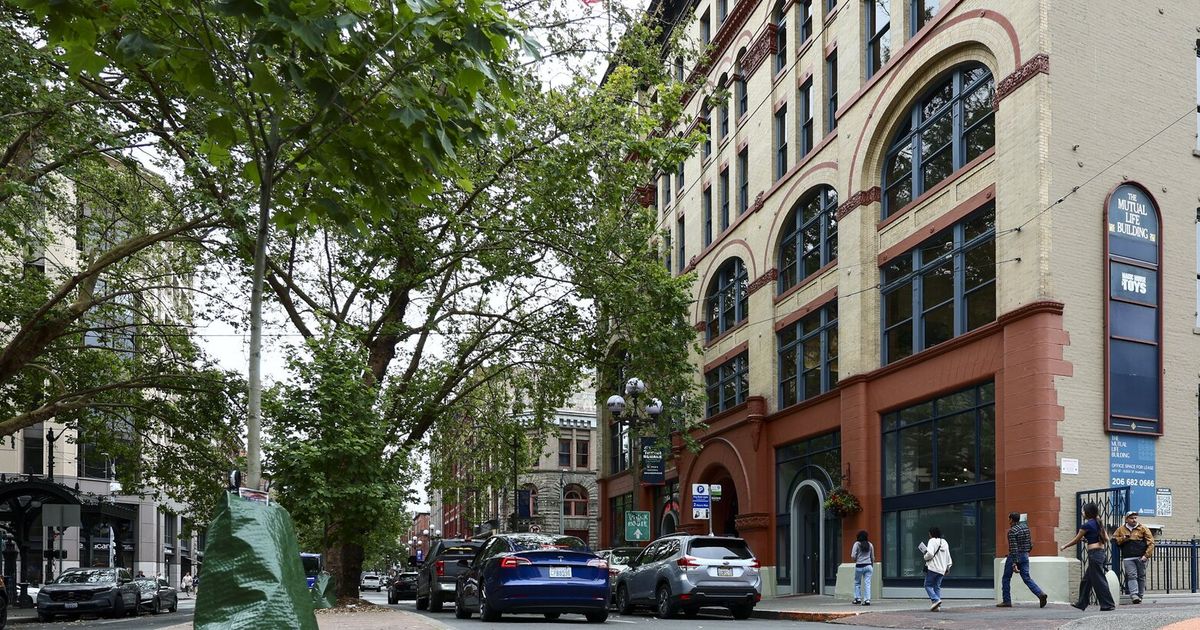
The Downtown Seattle Association, Purpose Dignity Action and Evergreen Treatment Services want to expand a strategy deployed in the Pioneer Square neighborhood around the time of the FIFA World Cup games.
Working with New York-based consultant Community Solutions, the Streets-to-Housing Initiative created a by-name-list of those living unsheltered in about a 21-block area. Outreach workers then shared information and offered appropriate housing services. In six weeks, 70 of the 80 people on the Pioneer Square list were placed into enhanced shelter or permanent housing.
Now it’s time to take this model citywide said Jon Scholes, CEO of the business group.
“We believe we’ve developed a playbook that can be replicated,” he told the editorial board. “I think the mayor is on the right track of calling for a significant investment in new emergency shelter, but there’s a number of things that need to happen for us to achieve the success we all want to see, which is Seattle reducing its overall number of folks living unsheltered. And right now, we’re going in the opposite direction.”
Mayor Katie Wilson promised to build 4,000 units of shelter over her four-year term. Scholes and Lisa Daugaard of PDA say the mayor ought to tweak that goal, focusing on those with the most complex challenges. They want the city to set up 1,500 new high-support units capable of serving people with significant behavioral health, substance use and other needs. This would move 3,000 people from the streets by 2030 — a 30% reduction in unsheltered homelessness citywide.
“We’re not proposing a new bureaucracy on top of the existing bureaucracy. We’re proposing to reuse the assets that we have and saving the big investments for shelter and housing,” said Daugaard of PDA, which addresses public safety and issues related to health and economic instability.
In an Aug. 25 letter to Wilson outlining their proposal, Scholes and Daugaard do not put a price tag on the overall effort, besides requesting $600,000 for four new positions to coordinate placements across the region. What is striking about their approach is the recognition that Seattle could get a better return on the $228 million it spent on housing and homelessness this year alone.
“We don’t have enough resources to solve for everything that’s out there. But we certainly have a lot of resources not being used at their highest and best use, and that’s what we’re advocating for here,” said Noah Fay of DESC, which offers comprehensive services, treatment, and housing. “It needs to be an aligned system where we are identifying people, we’re prioritizing people with the right investments, and then we’re creating pathways out of shelter into permanent supportive housing units. And that is something we haven’t done.”
With her focus on homelessness and finding ways to improve previous practices, Wilson is well-poised to take this plan and make it a reality. By employing an all-hands-on-deck approach and bringing the business community on board to help devise strategies, the mayor has a real opportunity to share responsibility and reverse recent trends that show Seattle as an outlier as other cities reduce their unhoused populations.
