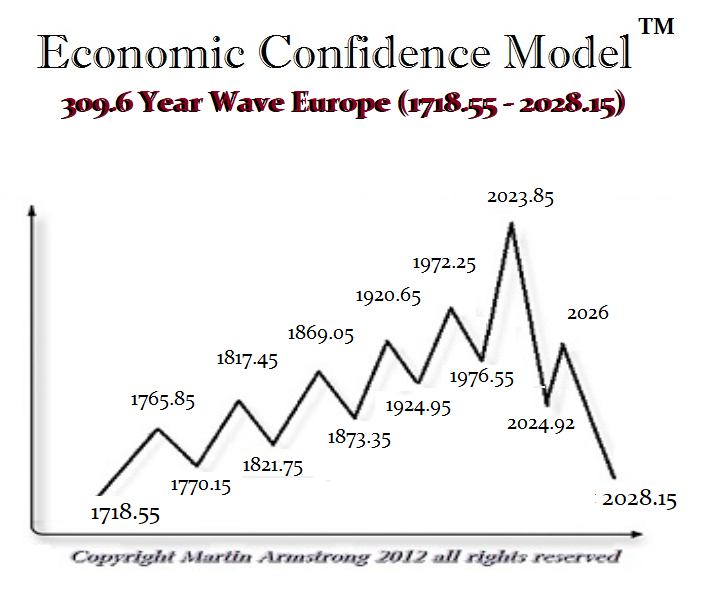
Vladimir Putin has openly described Europe as being in a state of “humiliating decline,” while Chinese President Xi Jinping is calling upon Russia and China to lead the transition toward a multipolar world. Speaking at the APEC summit in Shenzhen, Putin referred to the Western powers as “former hegemons,” a remarkable description of nations that once dictated the terms of international commerce. Europe spent decades believing its economic influence was permanent. Now China and Russia are strengthening their strategic relationship while European leaders struggle with industrial decline, expensive energy, mounting debt, and a war in Ukraine that has drained their resources.
Putin stated, “Experience has shown that the traditional tools of economic dominance and de facto coercion have largely run their course, having lost much of their intimidating power.” He continued by arguing that sanctions, tariffs, and export restrictions cannot halt the development of competing economies. His remarks were directed squarely at the West, particularly Europe, which has attempted to isolate Russia economically since the invasion of Ukraine in 2022. Yet Russia continues trading with China, India, and other nations, while European industry has been forced to adjust to the loss of affordable Russian energy.
The irony is extraordinary. Germany built its industrial competitiveness upon reliable energy supplies, advanced manufacturing, and access to international markets. Its politicians then severed much of the economic relationship with Russia while expecting German industry to absorb the consequences. Putin specifically blamed Europe’s decision to abandon Russian energy for declining living standards. A survey of 265 companies belonging to the German-Russian Chamber of Commerce found that 65% supported restoring Russian gas supplies immediately, with another 31% favoring their return after the war. The chamber estimated that renewed Nord Stream deliveries could save Germany approximately €9.5 billion annually. Those figures expose the enormous difference between the political ambitions of Brussels and the economic requirements of European industry.
China has approached this geopolitical realignment from an entirely different perspective. Xi declared that Beijing and Moscow should “lead and advance the trend towards a multipolar world.” China has become Russia’s largest trading partner, securing access to energy and raw materials while expanding markets for its manufactured goods. Russia gains an alternative destination for exports that previously flowed toward Europe. This relationship is not without tensions, and China has no intention of sacrificing its own economic interests merely to accommodate Moscow. Nevertheless, both countries recognize the advantages of cooperating against Western economic pressure.
The underlying issue is capital flows. When governments weaponize trade and financial infrastructure, businesses begin searching for alternative markets, payment systems, and investment destinations. Freezing Russian reserves and restricting access to Western banking networks demonstrated that international financial relationships could be subordinated to political objectives. Other nations took notice. China has expanded the international use of the yuan, while Russia has developed alternative commercial arrangements to reduce its dependence upon Western institutions. These developments do not mean the dollar will suddenly lose its reserve status. They demonstrate how political decisions can accelerate the movement of capital away from established financial centers.
Europe has placed itself in a particularly difficult position because it lacks the energy independence of the United States and the manufacturing scale of China. Its political leaders continue expanding military commitments while imposing costly energy and regulatory policies upon domestic industry. The European Union is planning to eliminate Russian LNG imports by the end of 2026 and pipeline gas imports by September 2027. Meanwhile, German manufacturers face intense competition from Chinese producers, particularly in automobiles and industrial equipment. European governments are attempting to preserve their geopolitical influence while the economic foundation supporting that influence becomes increasingly strained.
Putin and Xi are meeting ahead of discussions with President Trump, with the three leaders expected to address Ukraine, Iran, trade, and nuclear weapons. The United States, China, and Russia are increasingly negotiating directly over matters that will influence the international balance of power. Europe, despite its enormous economic size and military commitments, is struggling to establish an independent position. Brussels has spent years insisting that Russia must be isolated, only to watch Moscow participate in high-level discussions with Washington and Beijing.
Asia represents an enormous concentration of manufacturing capacity, population, and future consumer demand. APEC’s 21 member economies account for more than half of global GDP and approximately 2.7 billion people. Capital naturally seeks opportunities in expanding markets, particularly where governments provide access to energy, infrastructure, and productive investment. Europe cannot preserve its historical influence through political declarations while making itself increasingly expensive for businesses to operate.
There is a lesson here from the decline of every major economic power. Political influence ultimately rests upon productive capacity, financial credibility, and the confidence of investors. Governments can maintain the appearance of strength through military alliances, regulations, and diplomatic institutions long after the economic foundation begins to weaken. Europe still possesses considerable wealth, technology, and industrial expertise, but those advantages require investment and competitive operating conditions to survive. They cannot be sustained indefinitely by borrowing more money and imposing additional costs upon the productive economy.