

In today’s polarized political climate, finding common ground can feel impossible. But one electoral reform — ranked-choice voting — is quietly transforming how we elect our leaders, not by favoring one ideology over another, but by expanding the democratic process itself. RCV helps ensure more voters are heard, more candidates feel encouraged to run and more communities see themselves reflected in government. That’s not a partisan dream — it’s a democratic one.
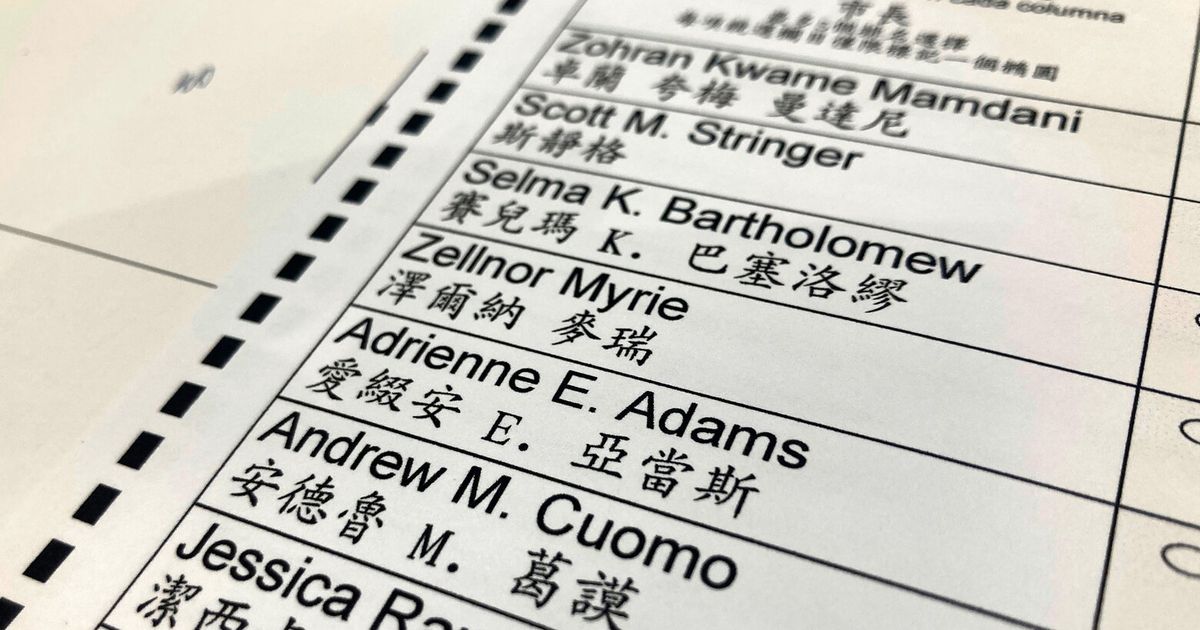
One of the clearest examples of RCV’s promise is what recently happened in New York City, where voters used RCV to push candidates like Zohran Mamdani through the primary. While Mamdani has quickly become a rising star — trending on social media and lauded by left-leaning commentators — his story isn’t just about message and media savvy. It’s about how ranked-choice voting empowered new voices, amplified coalition-building and ultimately helped an unconventional candidate succeed.
The real story behind Mamdani’s breakthrough is how he strategically embraced the unique structure of RCV. He formed a mutual endorsement with fellow candidate Brad Lander and even encouraged his supporters to donate to Adrienne Adams, another candidate in the race. In a traditional single-choice election, this kind of collaboration might seem counterintuitive or even self-defeating. But under RCV, it was both strategic and powerful. These alliances helped Mamdani gain second- and third-choice votes from like-minded voters, reinforcing the idea that candidates could lift each other up — and still win.
This kind of coalition-building isn’t just good politics. It’s good for democracy. Voters saw a refreshing departure from the zero-sum, cutthroat campaigning we’ve come to expect. Instead of tearing each other down, candidates focused on shared goals and values. As Lander put it, “People said, ‘We love the idea of politics more as a team sport for the future of our city.’” RCV makes that possible.
And the benefits of RCV extend beyond a single race in New York City. The city’s first RCV election in 2021 helped usher in the most diverse city council in its history: 31 of the 51 seats are now held by women, 26 of whom are women of color. This historic level of representation didn’t happen by accident. It happened because RCV gave voters more voice, and candidates more incentive to run without fear of being labeled a “spoiler.”
Perhaps most compelling, turnout increased dramatically. Between the 2021 and 2025 mayoral primaries, New York saw a 101% increase in voter turnout — and nearly a quarter of those voters hadn’t participated in a Democratic primary since 2012. RCV didn’t just reshape the candidate pool. It reignited civic engagement.
Now, it’s Seattle’s turn.
Thanks to a 2022 ballot measure, Seattle will use ranked-choice voting for its 2027 primary elections. With our current top-two primary, candidates must differentiate themselves sharply just to survive — even when they agree on 95% of the issues. Instead of building momentum together, they split the vote and risk canceling each other out.
RCV changes that. It rewards cooperation and shared vision. It allows voters to express their full preferences without fear of wasting their vote. It helps grassroots candidates who have yet to build powerful political connections to compete on a level playing field. And it invites more people into the process by making elections more meaningful and inclusive.
As Seattle prepares to implement RCV, we must ensure both voters and campaigns understand how to make the most of it. Exit polls across the country consistently show voters understand RCV — and prefer it once they’ve used it. But to fully unlock its power, campaigns must adapt their strategies and focus on what unites us, not what divides us.
If we want to hear new voices — from every community and across the political spectrum — we need tools that expand the electorate and deepen participation. RCV is one of those tools. It’s not about left or right. It’s about forward.
