

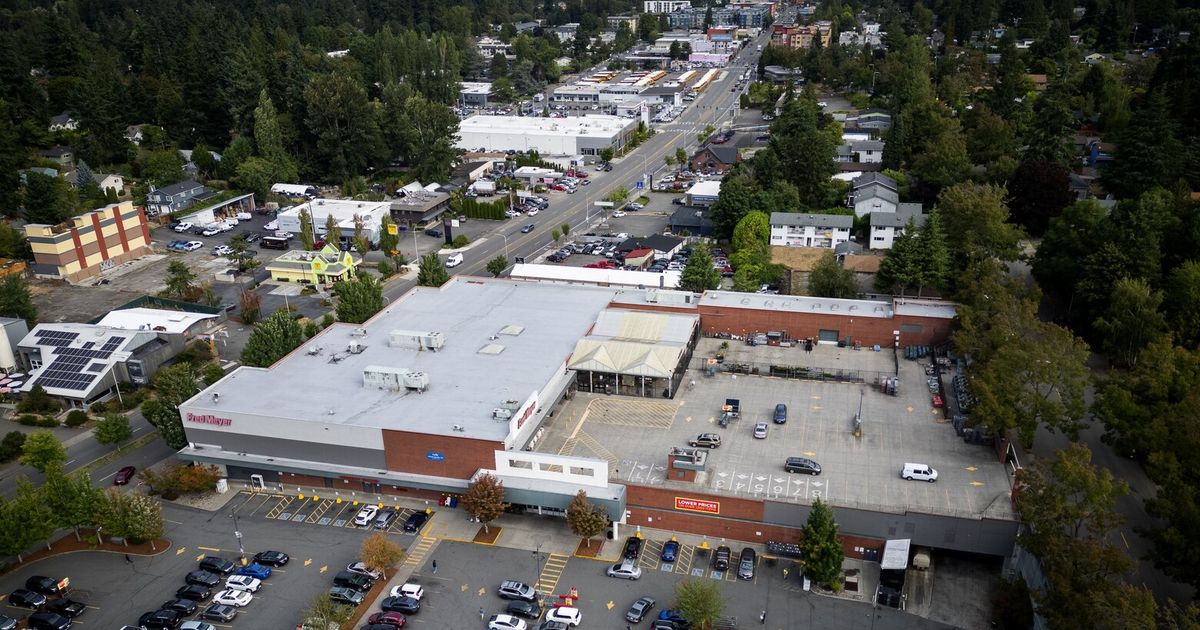
As a longtime resident of the Lake City neighborhood and as a volunteer with our local St. Vincent de Paul Society conference, I am deeply saddened by the announced closure of our neighborhood Fred Meyer. Its loss will present significant obstacles for many Lake City residents who depend on it for groceries and pharmacy services.
Lake City and Northgate have seen the rapid development of large apartment complexes in recent years. While these buildings are described as “affordable,” this typically means rents lower than Seattle’s median rates — distinct from “low-income” housing, which is based on what tenants can actually afford. Many new residents struggle with these so-called affordable rents, yet lack alternative options.
Compounding the issue, newer buildings offer minimal parking, designed to encourage reliance on public transit and reduce road congestion. This aligns with Seattle’s Urban Village concept — a commendable idea in theory. However, when the last grocery store and pharmacy disappear, residents are left without essential services within walking distance.
Lake City has already lost Walgreens and Bartell Drugs; both buildings sit vacant, reflecting a troubling pattern. Meanwhile, area businesses have experienced a marked increase in theft, and while Fred Meyer management took steps to address this, there was little visible support from the city of Seattle.
The ripple effects extend to our small businesses, further destabilizing the community. Lake City contributes vital housing to our city — housing that should be matched with accessible services and businesses.
I urge the city of Seattle to become more actively involved in supporting Lake City’s residents and businesses. Specifically, the city must:
● Ensure truly affordable housing — where rent is based on real ability to pay — remains available to those who need it most.
● Support infrastructure that sustains daily life, including at minimum a grocery store and pharmacy, within walking distance of major apartment clusters.
● Encourage collaboration between community leaders and local law enforcement to address criminal activity in a way that builds trust and ensures all residents and businesses feel safe. Restoring confidence requires openness, transparency and a commitment to fair, community-focused solutions.
I recognize these issues are complex and multilayered. However, when a national corporation focused solely on profits can impact access to food and health care for some of our city’s most vulnerable, it is time for local government to act.
Lake City deserves more. Our growing community needs the support and partnership of city leaders to ensure every resident has access to essential services.
