

Last week, I began teaching a new undergraduate course on “Dissent and Democracy in the World.” I started developing the course over a year ago, convinced that the subject is not only essential to well-functioning communities, but also not well understood or appreciated in American society today.
When the class began, our country looked different than it did when I started down this path.
During my lifetime, I’ve taken for granted that I could speak out freely in this country. I could share views that did not align with my employer’s position or the prevailing view in my community. I could openly object to the positions of the church my family attended. I could publish my opinions in a newspaper or on social media. I might lose friends or ostracize family. I might not be invited back to someone’s house. I might not get hired for a dream job or could even lose a job or a promotion.
But never before had I been afraid that speaking my opinion or voicing my moral objections to the actions of other groups, individuals or my government would risk my government coming after my job, my finances or my freedom.
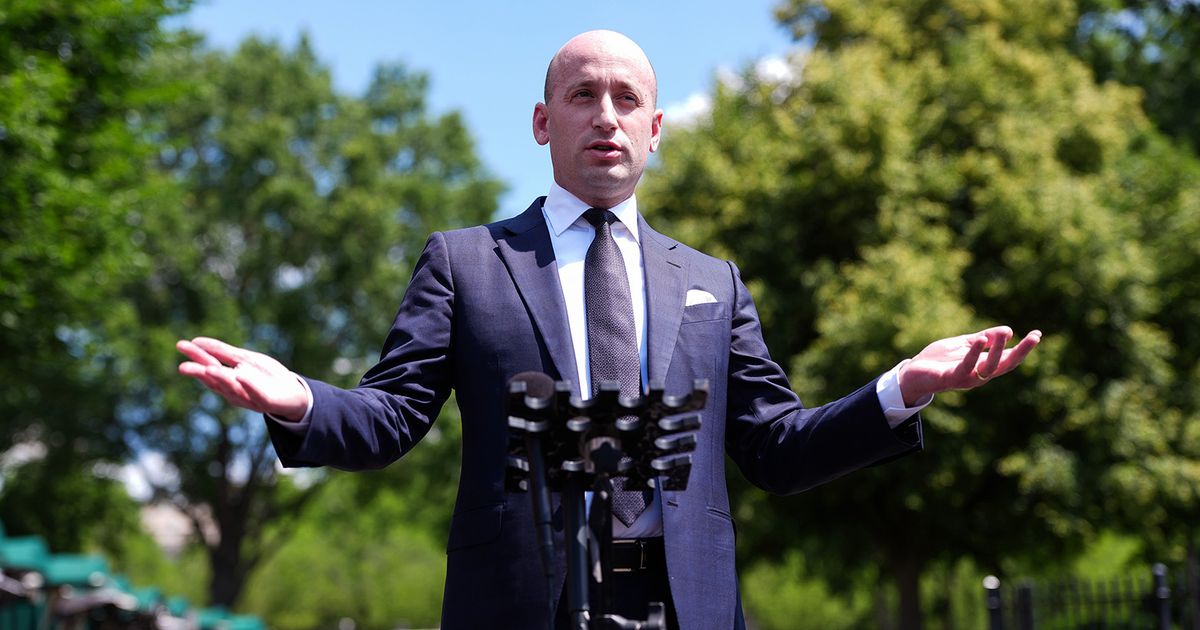
What we heard from officials of President Donald Trump’s administration recently were direct threats against free speech and, specifically, dissent. Vice President JD Vance told members of the public to watch their fellow citizens and report their unpalatable opinions to their employer. White House deputy chief of staff Stephen Miller, without evidence, called left-wing political organizations terrorist groups and vowed to use law enforcement to go after them “to take away your money, take away your power, and if you’ve broken the law, take away your freedom.”
Our legal system has painstakingly determined the narrow range of speech that is not legally protected, such as speech that is intended to — and in fact does — incite imminent lawless action. But the clear subtext here is that you do not have to break the law to come under attack from this government.
The threats are so vague, and government power so extensive, that this will undoubtedly drive widespread self-censorship and suppress free expression across many communities out of fear. One need not eradicate all dissent to be effective. Punishing a few will quiet many.
Fear is already having this impact, as corporations preempt government suppression by doing so on their own. Canceling comedians the president has lambasted is only a start.
We can no longer take our freedom of speech for granted under these circumstances. That will not only cost us our personal freedom, but it will cost society too.
Dissent is nothing more than the expression of an opinion that varies from the prevailing or traditional view or the position held by those in power. That expression can come in a variety of ways, such as speaking up in a group, filing an official complaint, writing or publishing those views, or demonstrating and rallying to draw attention to them. Most dissent is conducted to push back on the status quo or widely accepted beliefs in an effort to bring about change.
Our First Amendment exists explicitly to protect the expression of dissenting opinions. Our Founding Fathers did not put it there to protect our right to agree with our government.
But dissent is hard under the best of circumstances, even when it doesn’t risk the government’s ire. Social pressure and human nature are natural obstacles to expressing dissent in our everyday lives. Groups prefer and reward consensus. Authorities prefer and reward compliance. Speaking out to express different views is always uncomfortable, even within a democracy that protects free speech fervently. But we lose a lot when people do not dissent. Groupthink, affirmation bias and collective blind spots have led to all manners of disasters in the past.
The corporate culture of Enron in 2001 discouraged its employees from questioning the company’s practices, leading to the biggest corporate collapse in U.S. history. The Challenger space shuttle disaster in 1986 came after warnings from engineers were repeatedly suppressed and ignored. The Bay of Pigs invasion in 1961 inspired the term “groupthink” because it was such a clear example of how the desire for consensus overrode the concerns many had but kept quiet.
Each of these examples happened in our open democracy, at a time when dissent was uncomfortable but not dangerous. To the contrary, the absence of dissent was the danger.
This is why communities, organizations, businesses and governments benefit not only when dissent is allowed, but also when it is actively encouraged and cultivated. Even if a dissenting perspective isn’t correct or better, dissent brings different views to the fore so that they can be debated, and that improves and sharpens arguments, options and outcomes.
Free speech has always been a threat to power, though, which is why protecting it within our Constitution was so essential.
When an authority is actively suppressing or punishing speech itself, the space open to debate gets much smaller very quickly. That harms outcomes and raises risks. And that is where our country is heading today.
___
