

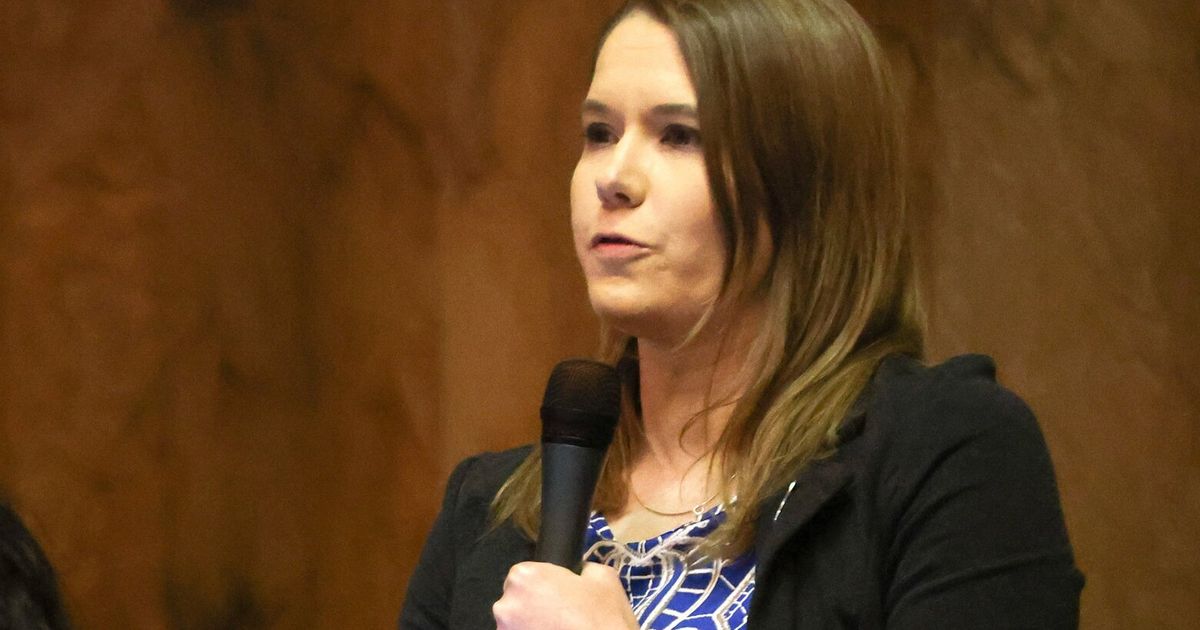
In the past year, I have sat with weeping mothers — constituents of mine — whose children were slain by fellow teenagers. Juvenile arrests in Lynnwood, a city in my legislative district, have nearly tripled, from 130 in 2022 to 355 in 2024. During these heartbreaking meetings, I find myself racked with guilt.
I am culpable.
In analyzing the causal factors in the epidemic of juvenile violence, the first contributor is the Legislature’s abject failure to fully fund K-12 education. At least 40% of youth on probation qualify for special education, which has been sorely under-resourced. Positions that offer early intervention have been cut: one of my school districts had to lay off 13 family advocates and two drug and alcohol counselors.
Youth entangled with our juvenile legal system are often also in the grips of mental health and substance-use challenges. Under Washington state law, youth 13 and older can refuse behavioral health treatment. Parents keenly aware that their children are unwell are rendered helpless. The Legislature attempted to remedy this, but the measure fell short.
Washington’s top referral source for youth addiction treatment used to be schools. Typically, a student would be suspended for a substance-related violation and required to get a substance-use disorder assessment and comply with treatment recommendations before returning to school. But the Legislature barred this practice, resulting in a massive decline in treatment admissions for adolescents battling addiction.
During my first legislative session in 2019, I voted for SB 5290, which prohibited juvenile detention as a sanction for status offenses, like truancy. I distinctly remember the floor debate: My Republican colleagues passionately argued that we should not remove juvenile detention as an option until we build up a statewide network of residential crisis centers as an alternative. They were right.
Overnight, court orders related to truancy and At-Risk Youth petitions became unenforceable. We tied the hands of schools, parents and courts and removed a crucial tool to get children help before they commit a crime.
In 2021, I voted for HB 1140, which, in effect, bars law enforcement from interviewing juvenile suspects, including those under investigation for serious crimes such as rape and murder. I thought I was voting to protect juveniles, but in actuality, juvenile assailants became protected at the expense of juvenile victims. This legislation has significantly impeded law enforcement investigations, resulting in the denial of justice for victims and a missed opportunity for intervention with juveniles engaged in escalating criminal conduct.
Very late in the 2025 session, lawmakers introduced HB 2044, related to unexcused school absences. Though the bill stalled in the Senate, the enacted budget still slashed intervention services for truant youth by 70 percent. It is well-documented that truancy is a strong predictor of juvenile justice involvement. Furthermore, the Legislature very nearly passed an untested policy that would’ve sent violent youth set to enter the state’s juvenile prison system back to the community with no additional supports or supervision.
Our state Supreme Court is not without blemish. It enacted a rule barring arrest warrants unless a youth “poses a serious threat to public safety.” A juvenile can violate court-ordered conditions like abstaining from drugs and alcohol, wearing an electronic monitoring device and complying with curfew and geographic restrictions, all without penalty. If a youth fails to appear in court, there is no recourse. Fortunately, the Court of Appeals ended this absurd practice. But in August, the Supreme Court reinstated it.
The aforementioned policies were all well-intended. But in the collective, they have systematically removed nearly all avenues to intervene with struggling youth before it’s too late. Clearly other factors, such as the social disruption caused by COVID-19, have also impacted juvenile crime. As a state lawmaker, I cannot control global pandemics, but I can own my part. As legislators, we bear ultimate responsibility for the laws we enact.
We also hold the power to change them.
