

On a recent summer evening, an undercover Seattle police officer watched activities along Aurora Avenue North as three vehicles approached a group of females standing on the sidewalk.
One of the cars, a Mercedes SUV driven by a 35-year-old man from Phoenix, chased the women through traffic, making U-turns and crossing lanes. In a report, the officer wrote the incident was a “clear threat to the safety of these women as well as the other motorists in the area.”
Because the defendant was a suspected pimp, the Seattle City Attorney’s Office sought and obtained a Stay Out of Area of Prostitution order from a municipal court judge.
The order stipulated that the man could not enter a swath of Aurora Avenue North, subject to arrest and up to a year in jail and a fine.
Prostitution along the busy corridor is widespread, heartbreaking, dangerous and exploitive.
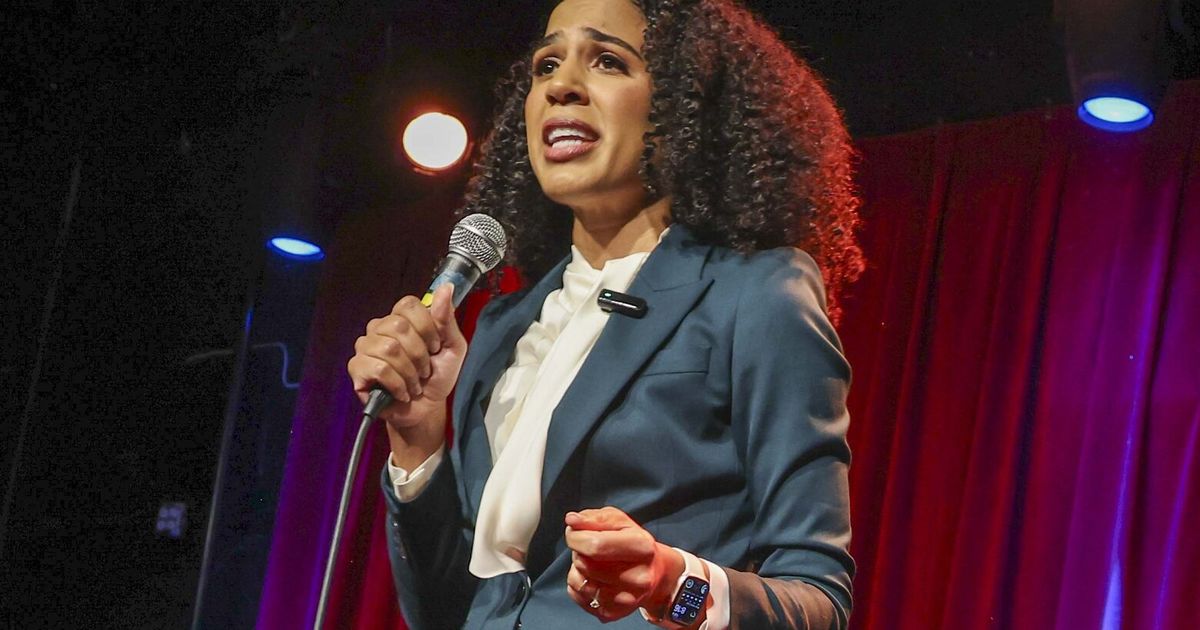
Seattle City Attorney-elect Erika Evans recently reiterated to KUOW her campaign promise not to request any further SOAP orders or charge anyone with violating them. In a debate during her successful effort to unseat incumbent Ann Davison, Evans called SOAP part of “racist policies.”
Let’s hope Evans reconsiders or presents an alternative plan for preventing human trafficking.
SOAP may not be the perfect solution but ignoring the will of the Seattle City Council and implicitly condoning the actions of those purchasing sex or controlling victims sends the worst possible signal.
As the Seattle Police Human Trafficking Unit put it: “Sexual exploitation is not a victimless crime. Women and girls (and sometimes boys, men and transgender individuals) involved in the sex trade on Aurora Avenue North are almost always the victims of criminal trafficking.”
Here’s some legislative history.
Former City Councilmember Cathy Moore proposed commercial sexual exploitation legislation in the summer of 2024 after outcries from neighborhoods around Aurora Avenue North.
Combating prostitution is tough work for law enforcement. Police stings are dangerous, resource intensive and costly. Female officers pose as sex workers to engage with buyers, all under intense surveillance.
SOAP sought a different tactic by giving officers the ability to arrest people suspected of engaging in the sex trade if a judge orders them to stay out of high-crime areas. The notion was to disrupt activities long enough for outreach workers and others to rescue those in need.
During deliberations, council members limited SOAP to buyers and promoters, excluding sellers. On Sept. 17, 2024, it passed 8-1.
“As a survivor myself, I find it incredibly powerful that the new loitering law and SOAP bill have shifted focus away from criminalizing the exploited, and are now holding traffickers and buyers accountable,” said Sarah Ann Hamilton, survivor services manager at The More We Love, an advocacy organization, in a council news release.
“This change sends a clear message that the women and individuals we serve truly matter, and that the community stands behind them in the fight for justice,” wrote Hamilton.
What is the message being sent by City Attorney-elect Evans now?
There are 32 active SOAP orders and another 10 that have been issued but not yet served on the defendant, according to the City Attorney’s Office.
If Evans’ deeds follow her words, these are all effectively moot.
In November, Evans won by 34 percentage points, a huge margin. That’s what effectively painting your opponent as a Republican will do in Seattle politics.
Evans appears quite certain about what she intends to dismantle come her inauguration in January. For the sake of the community and so many victims of sex trafficking, she must provide an immediate proactive agenda that shows she is serious about meeting the many challenges along Aurora Avenue North and elsewhere.
