

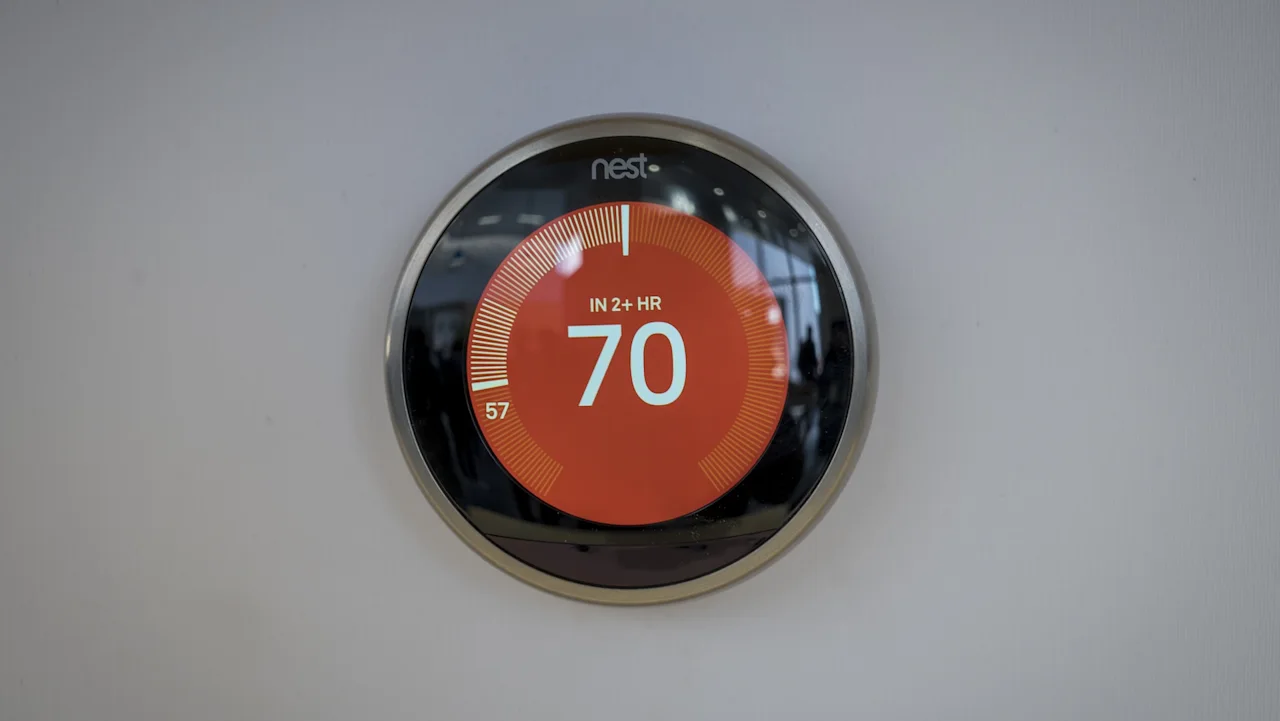
Back in October, Google ended software support for the original and second-generation Nest Learning Thermostats. On the surface, that doesn’t seem totally unreasonable, considering those original devices are roughly 14 years old at this point. If you have one, you can still use it as a thermostat, but it will no longer connect to the internet. As a result, you can’t connect to it using the Nest or Google Home apps.
That may not seem like a big deal, except that the single greatest thing about using a Nest Thermostat wasn’t the fact that it would learn your habits and create routines, or that it would detect when you’re not home and adjust accordingly. No, the best thing about using a Nest Thermostat was that you could open the app and turn on the furnace before you headed home from the company Christmas party. The best thing about Nest was that it took the single most boring thing in your home and made it smart.
The problem is, those devices are still working just fine. In many homes, the hardware works exactly as well as it did the day it was installed. I know this to be true because ours is one of them. We have a second-generation Nest Learning Thermostat and the only thing wrong with it is that Google decided to kill its absolute best feature.
The smart-home dream
Nest was started in 2011 by Tony Fadell, whose primary design accomplishment before that was inventing the iPod. The idea was simple—take the most boring household hardware device and turn it into magic. The original Nest Learning Thermostat was both incredibly well designed and also magically smart. It learned user behavior, saved energy, and looked good doing it. Nest quickly became the most recognizable name in the beginning days of the smart-home market.
Google bought Nest in 2014 for $3.2 billion, signaling how important the company believed the connected home would become. For a while, Nest operated semi-independently, expanding into products such as smoke detectors, cameras, and doorbells.
Eventually, Google folded Nest back into its hardware division. That shift brought tighter integration with Google Assistant and a unified smart-home platform, but it also marked the end of Nest as a standalone brand with its own roadmap.
Google changes direction
Over the past decade, Google has reworked the Nest lineup into a broader Home ecosystem. Some early devices aged out as the company consolidated platforms, rewrote its smart-home APIs, and shifted from “Works With Nest” to “Works With Google Home.”
Support challenges for aging hardware, combined with Google’s push for Matter-compatible, Assistant-driven devices, led to a gradual pruning of Nest’s earliest products. Today, Nest is no longer the flagship brand for smart homes. Instead, it’s more of a subbrand within Google’s hardware portfolio.
Because technology is apparently obligated to continue to march on, Google says that the oldest Nest Thermostats are basically obsolete. Sure, they’ll continue to work—sort of. You can manually control the temperature on the thermostat, which—by the way—is also something you can do on much older thermostats. With the Nest, however, you just have to overlook the part about not connecting to the internet, which is pretty much the main reason you bought it in the first place.
Just don’t break things that work fine
Look, I don’t know what the lifespan should be for a smart thermostat, but I do know that for as long as it continues to operate, it should do the thing you were promised when you bought it.
I get that there are reasons that companies end support for older devices. At some point, you can’t continue to develop software for devices that don’t have the hardware to run it. According to Google, “It has become increasingly challenging to continue to update these products given the early hardware.”
The thing is, a thermostat doesn’t really need updates. It doesn’t need new software. It literally just needs to do the thing it did the day you bought it. Which—in this case—is to control your heat and air conditioning in the app.
That’s the promise Nest sold from the beginning, and breaking that promise comes at a high cost. In fact, I’d argue the cost is so high that breaking it is the one thing no company should ever do.
—Jason Aten
This article originally appeared on Fast Company’s sister publication, Inc.
Inc. is the voice of the American entrepreneur. We inspire, inform, and document the most fascinating people in business: the risk-takers, the innovators, and the ultra-driven go-getters that represent the most dynamic force in the American economy.
