

“This simply leaves the vital issue of oil supplies unresolved, and the clock continues to tick down towards doomsday for oil inventories and the global economy,” Beauchamp added.
The war has hit economic growth prospects worldwide, with a more severe shock likely should no effective ceasefire be agreed before 2027, the OECD warned Wednesday.
Global economic growth is forecast to slip to 2.8 per cent this year even if Gulf energy exports return to pre-conflict levels in the third quarter, the group of 38 industrialized countries said in its quarterly update.
“The longer the disruptions last, the larger the economic and social costs become,” said OECD chief economist Stefano Scarpetta.
Many countries would risk falling into recession, he noted, and a drop in investment spending – “including in energy-intensive AI” – would likely push up unemployment.
AI enthusiasm has in general sustained investor sentiment, helping drive Wall Street indexes to repeated record highs in recent months.
Tuesday was no exception, with US chipmaker Marvell Technology soaring 32 per cent after Nvidia CEO Jensen Huang hailed it as the next trillion-dollar firm.
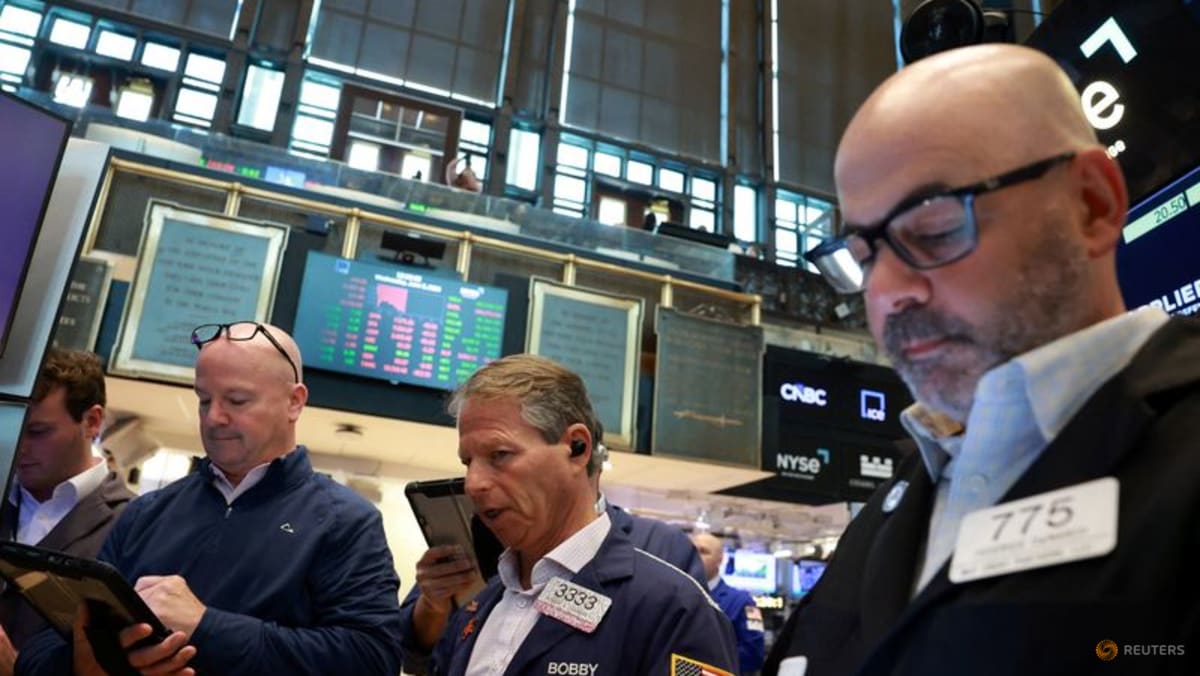
However there was a bit of profit-taking on Wednesday.
Tom Cahill of Ventura Wealth Management said it was natural for the market, which has done well in the past month or so, to “consolidate or move sideways a little bit to digest some of those gains.”
But geopolitical angst was likely weighing on stocks, he added.
