

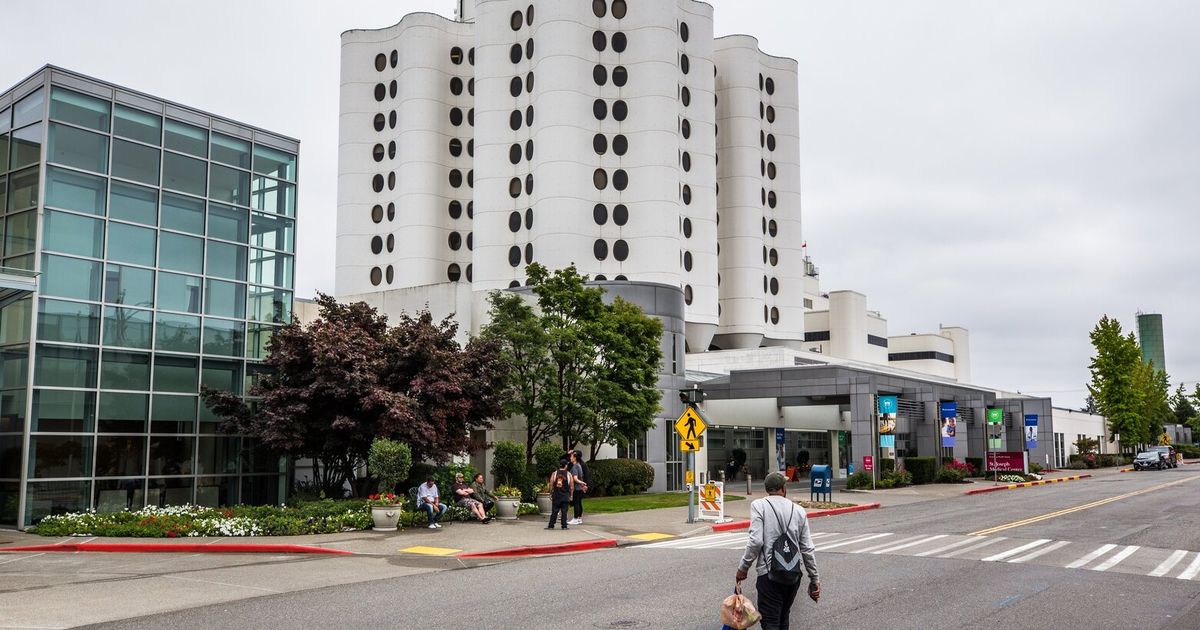
On April 30, Providence Swedish announced a plan to cut the number of family medicine physicians it trains in Seattle by six per year while consolidating its residency programs, a plan leadership hopes to finalize by July 1. The Swedish Cherry Hill and First Hill family medicine residencies have provided care to some of Seattle’s most medically underserved communities and attracted trainees from across the country since the 1970s.
Last month, Tacoma’s Community Health Care Family Medicine Residency was notified it would close altogether June 30 after a partnership with St. Joseph Hospital (part of Virginia Mason Franciscan Health) ended. Attempts to save the program ended when MultiCare declined a partnership. The Tacoma CHC Residency typically graduates eight physicians each year.
Investment in primary care reduces healthcare costs and improves the health of communities, particularly those with limited access to care. Providence Swedish, with a mission to serve “those who are poor and vulnerable,” and Virginia Mason Franciscan Health, with a mission to improve the health of communities, “especially those who are vulnerable, while [advancing] social justice for all,” are jeopardizing the health of those they built their identities on serving. We are already facing dramatic primary care shortages in our region, and these institutions are shaping a future that further limits access to our most fundamental type of medical care.
Residency marks the end of a 10-plus-year training process every physician in the U.S. completes. Family medicine physicians are typically the primary care providers for a patient load of about 1,800. This impending loss of training positions hurts all of us. Our vulnerable communities will be the first to feel the impacts, but no one will be spared. When our region loses 14 family physician trainees annually, 25,000 patients will be left without a doctor per year. Imagine even longer wait times for routine care and the trickle-down impacts on already-overwhelmed ERs and specialty services. Chronic conditions will be further unmanaged, putting more pressure on our already overwhelmed public assistance systems. Hospitals have struggled since COVID with higher costs, sicker patients and insufficient reimbursement. Family medicine in particular prolongs the lifespan of a community and is estimated to save the lives of 50 people per 1,000 each year. Without us, hospitals will need to deliver more uncompensated care for sicker patients.
I became a family medicine physician because I couldn’t imagine a more meaningful way to serve my community. I left Boston for Seattle to join the Swedish Cherry Hill Family Medicine Residency because I wanted to train in a place that embodied the heart of family medicine with an explicit commitment to equity and justice. The Swedish Family Medicine training sites extend across some of Seattle’s most mission-driven clinics and community health institutions. I wanted to learn to provide high-quality, evidence-based care to patients through all life’s stages. I have delivered babies, supported families at the end of life, treated substance use disorders and mental illness, provided comprehensive reproductive healthcare, performed office-based procedures, spent countless hours on the inpatient wards and learned to manage medically complex older adults in the clinic to keep them out of the hospital.
Where residents like me train is the No. 1 determinant of where we will practice. Swedish residents go on to care for patients across our region including at University of Washington, PacMed, Kaiser and Optum as well as federally qualified health centers including Sea Mar, Health Point, Neighborcare, Seattle Roots, International Community Health Services, Downtown Family Medicine, Seattle Indian Health Board and more.
Providence Swedish, Virginia Mason Franciscan Health and MultiCare are hospital systems with an obligation to provide community benefit in exchange for their nonprofit status. Providence Swedish is in the midst of a $1.3 billion hospital construction project. I doubt this construction, which does not expand hospital services or access, provides more benefit to the community than the family physicians we would have been welcoming to our region next year.
