

The often-used phrase “don’t let the perfect be the enemy of the good” reflects the reality that progress is often incremental and that waiting for perfection slows meaningful action. For those of us in the Pacific Northwest port and industrial community, our core values are safety and continuous environmental improvement.
Unfortunately, we often find ourselves at odds with environmental groups and elected officials over how best to achieve that progress. Regulatory mandates that fail to account for the best available science — or the complexity of infrastructure or energy needs — can lead to stagnation rather than improvement. At times, decisions shift abruptly, undermining long-term investments and planning.
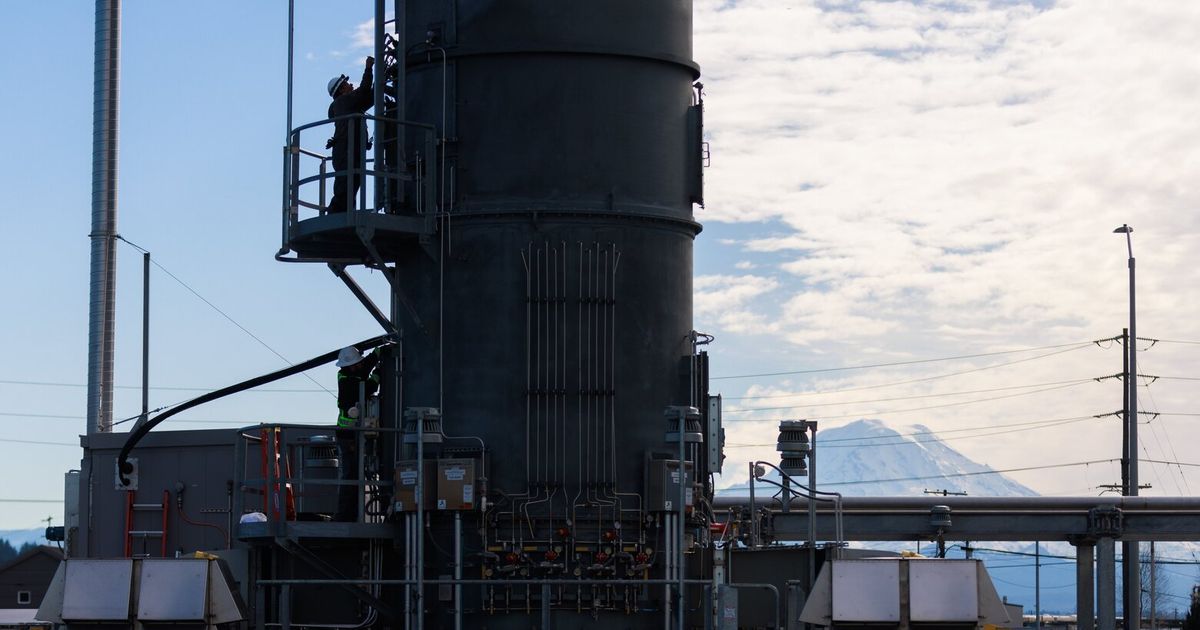
This was evident in the case of the liquefied natural gas facility in Tacoma. Former Gov. Jay Inslee, the state Legislature, and environmental groups initially supported legislation to incentivize the facility as a cleaner fuel option for marine vessels, emphasizing its benefits for environmental and human health. However, after Inslee announced his presidential run, that support eroded. What followed was a lengthy and contentious battle to bring the facility to completion.
Similarly, environmental opposition contributed to halting a proposed methanol facility in Kalama. Methanol is among several cleaner fuel alternatives currently under consideration by industry.
In fact, the clean marine fuels of the future may include renewable natural gas and renewable methanol. As with aviation, a range of fuel options is being explored. If we are serious about promoting both economic growth and environmental protection, we must stop closing the door to innovation. Developing cleaner fuels will require significant infrastructure investment — much of it from private sources.
Ports and cities that can efficiently permit and build needed infrastructure efficiently will have a competitive advantage in attracting cargo and investment. Washington state is falling behind. Decision-making processes are slow, as demonstrated by the Tacoma LNG project, and even finalized decisions can be reversed when political priorities shift. This unpredictability makes investors wary, increasing the perception that Washington is a risky place to invest.
A recent study mission with the group Clean & Prosperous to Texas highlighted these challenges. Washington state Rep. Beth Doglio, a Democrat who chairs the House Environment & Energy Committee, described the experiences as “eye-opening,” noting the speed at which Texas is able to build green infrastructure.
Closer to home, the Northwest Seaport Alliance faces strong competition from Vancouver, B.C., where infrastructure projects move more quickly. Notably, the first cruise vessel to refuel with LNG at the Port of Seattle used fuel barged down from Canada.
Something must change or we risk being left behind in the clean energy transition. Policymakers need to remain technology-neutral and focus on creating a regulatory environment that encourages innovation and investment. We must make it easier — not harder — to develop projects that improve environmental outcomes and public health.
It would be both ironic and unfortunate if our review process were to delay or block projects designed to benefit the environment, ultimately ceding our competitive advantage to places like Texas.
The alternative is to mandate the use of less effective technologies, hope for the best, and pat ourselves on the back as if we’re making real progress. That’s not a path to environmental or economic success.
