

An undergraduate enrollment shortfall at Syracuse University is the latest sign that long-forecast demographic pressures are taking their toll on large and well-known institutions, too. Syracuse laid blame on the declining numbers of high-school graduates and international students — problems universities across the country are grappling with. It should have added another: The steady stream of young families and students leaving the Northeast in search of more affordable living.
It’s this latter problem that will make the struggles of higher education institutions in the Northeast — as well as in the Midwest and on the West Coast — much harder to solve. Substantial declines in the number of high-school graduates are expected in states including New York, Illinois and California over the next decade or so, while states in the South such as Texas and Florida will see growth. Some part of this is due to the continued interstate migration from North to South of families squeezed by cost pressures.
Local governments should pay attention to the types of schools facing enrollment and financial difficulties; they are a warning of wider economic pressures to come at the turn of the decade.
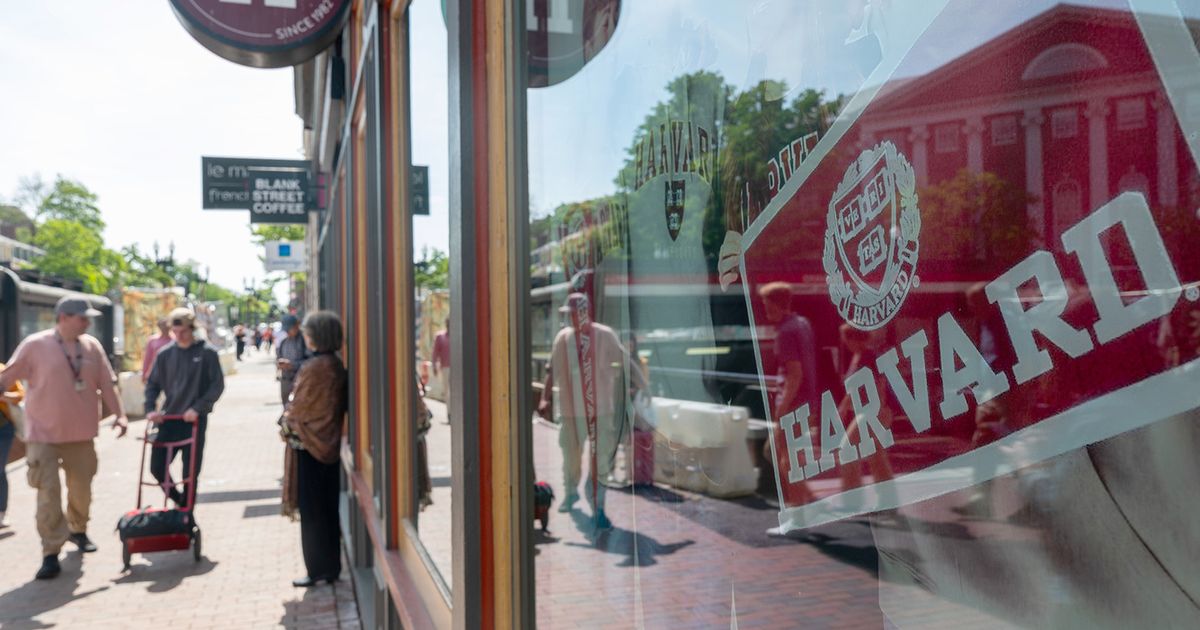
Clearly not all universities are the same. A decline in the number of high-school graduates has very little impact on elite private institutions such as Harvard University or Princeton University, or elite public names including the University of Michigan or the University of Illinois Urbana-Champaign. These institutions are fortunate to have much more demand than there are seats to fill, and acceptance rates are low, giving them a comfortable buffer.
But a student who unexpectedly gets into Harvard will reject an offer they would have taken from, say, Tufts University, which will reach into its waitlist and accept a student who might otherwise have gone to a campus like Syracuse. Nobody wants to cut programs and lay off employees, so competing harder for high-schoolers is likely the game most universities will end up playing.
Somewhere in the pecking order, someone is eventually left holding the bag, because there aren’t enough students and tuition-payers to go around. International students, long a Band-Aid, can no longer be counted on given new difficulties around study and, as importantly, work visas.
The analogy for cities and towns is that a shrinking pool of high-schoolers for the next decade and more will soon translate to a shrinking number of credentialed 20-somethings ready to enter the job market. The number of high-school graduates is forecast to have peaked in 2025 or 2026 — essentially 18 years after the birthrate turned down around the time of the 2008 financial crisis. It stands to reason that the number of 21-year-olds will peak in 2030 or so.
Where these young people choose to study and work should become increasingly important. Employers want to be where young talent lives, and it’s jobs and consumption that drive local tax bases to support public services. Cities like New York and Boston are like the elite universities they host — attractive destinations for the young, where rent and home prices reflect demand that far exceeds supply.
The real question will be what happens to the universities and metros where the marketing pitch has been some combination of geographic proximity to big cities and better affordability, places like Syracuse, New York or Pittsburgh. Allegheny County, where Pittsburgh is located, reinvented itself from its industrial past into an “eds and meds” hub, prioritizing higher education and healthcare. Pittsburgh’s now home to roughly 145,000 students enrolled in higher education, helping to stabilize the region’s economy if not its population. But with the number of high-school graduates in the Northeast and Midwest set to decline indefinitely, being a metro that relies on recruiting them no longer looks as sustainable as it did when higher-education enrollment was growing.
Cities looking to insulate themselves from these demographic headwinds can take inspiration from places such as Austin, Texas, and Nashville, Tenn. Both offer attractive lifestyles to college students, young singles and families alike, and became hot destinations when people were fleeing the coasts during the COVID-19 migration boom. They’re also now returning to affordability faster than the coasts, as continued housing construction weighs on prices.
Affordability is a crucial part of any solution, but it’s not the only thing that matters; otherwise rural and postindustrial parts of the country wouldn’t have seen so much demographic stagnation over the past several decades.
Making cities more fun for young people is another part of any fix.
Austin and Nashville became national draws both because they were more affordable than New York, New Jersey and Connecticut, and also because they had vibrant nightlife and entertainment scenes.
Southern universities such as Auburn University and the University of Alabama have drawn large numbers of out-of-state students by investing in luxury dorms and sports programs. Focusing on amenities for young people can turn into a zero-sum arms race, but holding onto and recruiting young people is going to be increasingly competitive. Places that don’t make an effort will be left behind.
