

The problem of sex-trafficked youths in Seattle is glaringly obvious, mortally serious and well known to government. Yet, it persists, without a system for intervention, even after a 15-year-old was murdered in King County by her would-be pimp last spring.
Since then, law enforcement and prosecutors have met at least a half-dozen times with county leaders, trying to generate momentum around a solution to the urgent question of where to bring kids who are being exploited, and how to do it legally.
But so far, the only result appears to be paralysis by analysis. And every day, more children are harmed.
In just the last month, King County prosecutors filed human trafficking charges against three men — one of them accused of exploiting a 14-year-old — as well as charges against five others trying to buy sex from minors online.
Meanwhile, police recovered two kids being trafficked on Aurora Avenue North and brought them home to their families. Another, on the run from foster care, was returned to the Department of Children, Youth and Families. Without serious intervention, it’s likely that all will wind up back on the strip, among hundreds of children being trafficked in Seattle every year.
Despite a decade of hand-wringing over this problem — and zero debate about the need for a solution — no branch of government has stepped up to create a space where kids in trouble can be safe.
That may surprise King County taxpayers, who footed the bill for a $210 million juvenile court-and-detention complex on Capitol Hill just a few years ago, assured that it would be a place where kids could stabilize, get mental health services and start rebuilding their lives.
Part of the problem is a state law, passed in 2019, that says young people may no longer be locked up for running away. Another law, passed in 2020, ended criminal charges for juvenile prostitution.
In the abstract, both make sense. Running away is not illegal and sexually exploited kids are victims, not criminals. But police say that, taken together, the legislation ties their hands, making it impossible for them to save minors from the streets, even when they’re walking Aurora Avenue, nearly naked.
“Everybody recognizes it’s a crisis,” says Seattle Police Detective Maurice Washington. “Then they behave like it’s just another day.”
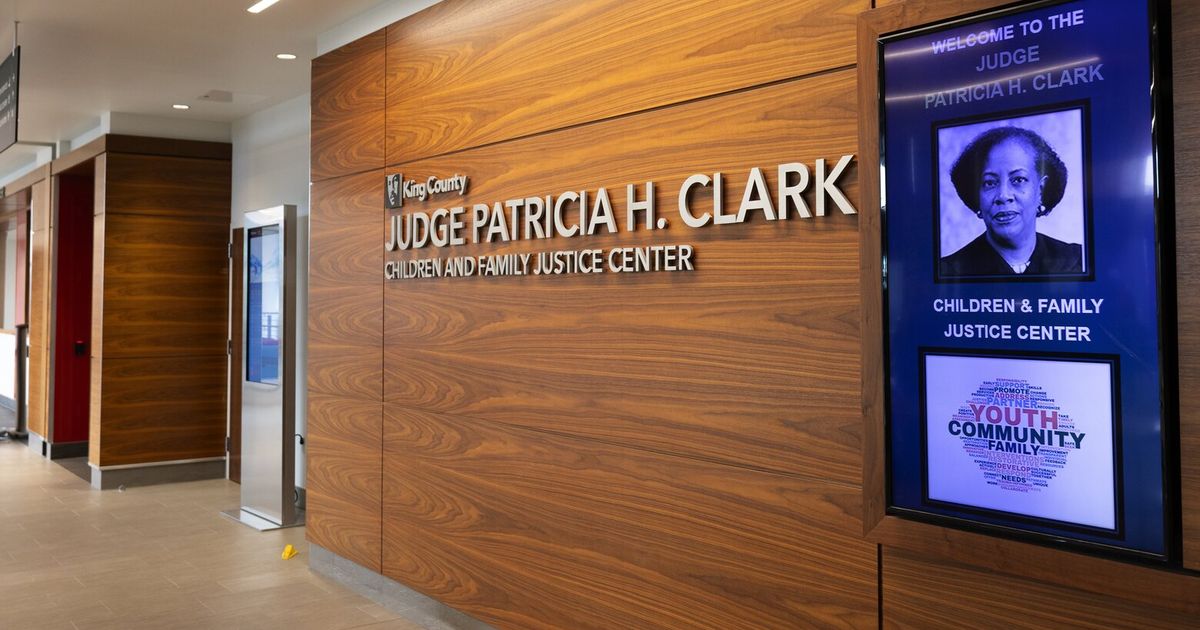
Yet, at the new Children and Family Justice Center — a few miles from the track — dozens of beds sit empty, including an entire wing that could be used to help trafficked kids.
Admittedly, they need far more than a safe place to sleep. Many have severe mental health, behavior or drug problems, but the risk of legal liability has discouraged some providers from working with them.
There is also the question of money. King County will spend a whopping $65 million to run the juvenile court-and-detention hall for the next two years, even though much of it remains vacant. Surely, some of that funding could cover the $850,000 that juvenile court officials say they’d need annually to serve minors who have been trafficked.
Or maybe multiple jurisdictions could chip in?
King County voters have already approved $1.2 billion for five crisis centers. And six years ago, state lawmakers were ready to spend $1.3 million on helping trafficked kids (though much of that money, unused, went back into the general fund). The city also says it has dedicated funds to anti-trafficking.
So, clearly, there’s money out there. What seems to be lacking is a sense of urgency to use it.
