


Canada has officially selected Germany’s ThyssenKrupp Marine Systems (TKMS) as the preferred builder for a new fleet of 12 submarines. The program is expected to cost roughly C$60 billion, making it one of the largest military procurements in Canadian history. Prime Minister Mark Carney is making the announcement just before the NATO summit, where member states are once again pledging even higher military spending. This is not simply about replacing aging submarines. It is another step in the global rearmament that I have warned was inevitable once governments abandoned diplomacy in favor of perpetual confrontation.
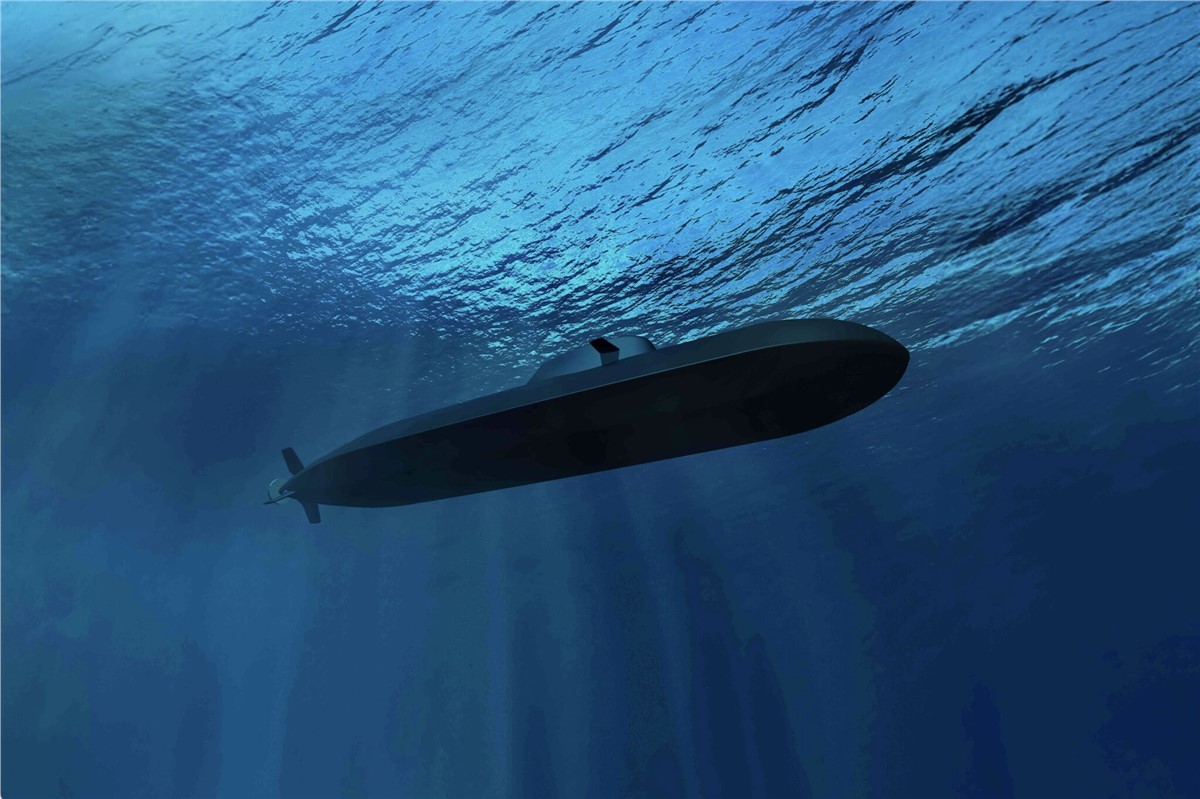
Canada’s existing Victoria-class submarines are reaching the end of their operational lives, but what stands out is who won the contract. Germany’s Type 212CD submarine was chosen over South Korea’s competing bid. The 212CD was jointly developed with Norway and is specifically designed for NATO operations, utilizing advanced air-independent propulsion, non-magnetic steel to reduce detection, and enhanced capabilities for operations in northern waters. Germany has openly stated that this contract would draw Canada closer to Europe strategically, not merely commercially. That should tell everyone this was as much a geopolitical decision as it was a military one.
Europe is rapidly transforming itself into a military union. Germany, once constrained after the Second World War, is now becoming one of Europe’s dominant military manufacturers. I have written repeatedly that history always comes full circle. Nations never remain demilitarized forever. The politicians always justify rearmament by claiming they are preserving peace, but throughout history every major military buildup has eventually found its justification in conflict. The War Cycle has been pointing directly toward this period, and every month governments continue pouring hundreds of billions into defense while their sovereign debt problems continue to spiral out of control.
Canada recently reached the NATO alliance’s 2% of GDP spending goal ahead of schedule, while NATO members have now committed themselves to raising total defense and security spending toward 5% of GDP by 2035. The question nobody asks is where this money will come from. Canada already faces slowing economic growth, record household debt, an affordability crisis, and expanding fiscal deficits. Governments never solve debt crises by borrowing even more money, yet that is precisely the path every Western nation has chosen.
These massive defense programs become long-term liabilities that taxpayers finance for decades. Every new military commitment pushes sovereign debt even higher while politicians simultaneously claim there is no money for healthcare, pensions, or essential domestic infrastructure.
This is why I have consistently said the sovereign debt crisis and the War Cycle are converging. Governments throughout the West cannot meet their existing obligations, yet they continue to expand military budgets at a pace not seen since the Cold War. Germany is rebuilding its defense industry. Canada is rearming. Europe is preparing for prolonged confrontation with Russia. Asia is expanding its naval forces. These are not isolated events. They are all part of the same global trend. Once governments begin reorganizing their economies around military production, history shows they rarely reverse course peacefully. That is why the years immediately ahead remain among the most dangerous we have faced in generations.
