

The soupy, toxic fog that hung over Seattle and the Puget Sound region last week was a constant reminder of the wildfires raging across Eastern Washington. It can feel insufferable and inevitable — that the fires will burn, increasingly in every corner of the state, as the years become hotter and drier. But rather than resigning ourselves to this fate, the smoky skies should reinforce a call to action, for every Washingtonian.
The wildfires that consumed neighborhoods in Spokane and enveloped forests in Chelan and elsewhere have a kind of performance-enhancing drug feeding their flames: climate change. As a society, we can choose to deny this reality, but it does little good to do so. The forecast each year will continue to be tinderbox-like conditions. We must do all we can to prepare for it.
For Gov. Bob Ferguson and state lawmakers, the choice is to keep funding a successful public policy that puts out wildfires faster, makes forests more resilient and neighborhoods safer. For the rest of us, the decision involves a commitment to preventing ignitions in and around our homes.
Let’s unpack those two separate but related undertakings. In 2021, state lawmakers passed a triple-pronged, $500 million investment proposed by then Public Lands Commissioner Hilary Franz to tackle wildfire. More prepositioned aircraft and firefighting resources have snuffed fires before they grow out of control; active forest management has reduced fuels that spur megafires; and at-risk communities have added protections that can break, or at least slow, a fire’s advances.
But that funding runs out in 2029. It’s critical that Ferguson and lawmakers find future funding to continue this vital work.
Beyond what lawmakers fund, Washington state needs a plan for every resident amid this surging fire risk. No matter where you live, wildfire is now a prospect that must be faced. Every single one of us has a role to play.
First, don’t be the person that ignites such a conflagration. Throwing cigarettes out a car window or hosting a bonfire this time of year could be the spark that devastates a community. Humans still cause close to 90% of fires that have far greater potential to run wild under today’s climate conditions.
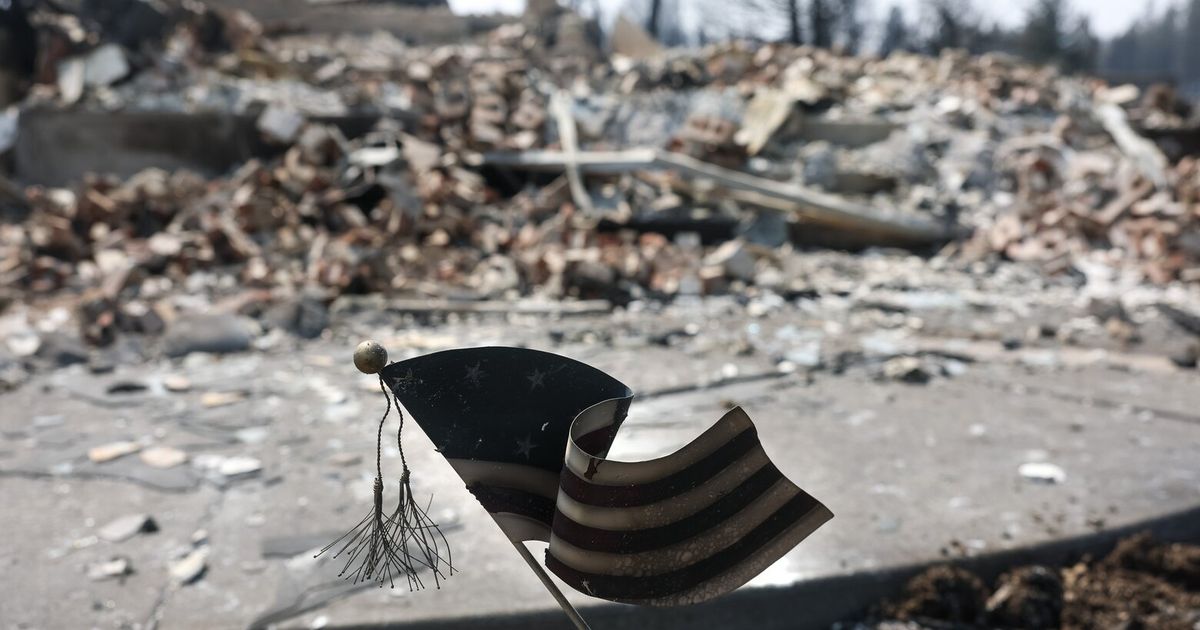
Second, recognize the hazards around your own home. Fireproof your eaves. Remove landscaping close to your house. Images from Spokane show just how fast whole neighborhoods can disappear.
Third, mobilize your local community. Do you know your neighbors? Do they have a plan to harden their homes to prepare for the day the winds shift and flaming embers pass through? Learn how to become a Firewise community. The local fire department can help.
For decades, the areas west of the Cascades, like Seattle, have brushed off wildfire as an Eastern Washington problem. That is foolish as it is outdated. Last year’s Bear Gulch fire, which charred more than 20,000 acres of old growth in and near Olympic National Park, was on the supposed “wet” side of the mountains. And in 2020, shifting winds ignited numerous fires that threatened homes around Puget Sound.
As a state, it is naive to think we can ever eliminate the risks of megafires. But by preparing for them, we can still reduce their threat. Inaction will lead to devastation. Facing this growing risk is the only option.
