

We have a remarkable opportunity to bolster imperiled salmon and steelhead runs in the Columbia River Basin, moves that would strengthen our economy, support clean energy and uphold the values that define our Northwest way of life.
The Northwest Power and Conservation Council — a little-known but essential multistate agency — is building a road map for the next round of investments in clean energy and salmon recovery in the Columbia Basin. Should the council fully embrace this opportunity, we could see the adoption of science-based measures that regional fish managers believe will make a difference for salmon runs perilously close to extinction, as well as a set of recommendations for meeting clean, affordable and reliable energy goals.
Unfortunately, the Bonneville Power Administration, the region’s largest energy supplier, is working to thwart this potential. BPA has taken the unprecedented position that it should no longer be obliged to meet the council’s long-held salmon recovery goals, despite hydropower’s well-documented and far-reaching harms to our native salmon and steelhead runs. BPA’s stance is shocking, cynical and alarming.
The council must push back on BPA. Decades of collaboration and hard-won progress on both clean energy and salmon recovery are at risk — coming at a time when threats from a changing climate grow more dire. In fact, this is the council’s job, articulated in its mission statement: “To ensure, with public participation, an affordable and reliable energy system while enhancing fish and wildlife in the Columbia River Basin.”
Mandated by the 1980 Northwest Power Act, the council is overseen by governor-appointed representatives from Washington, Oregon, Idaho and Montana. It has the responsibility and authority to ensure that BPA and other dam operators make smart investments in energy resources and work to restore salmon and steelhead runs. It does this by developing two back-to-back plans — a 20-year power plan, revised every five years, and a fish and wildlife program, also revised every five years.
While the council is currently working to develop the next iteration of both plans, at issue right now is its fish and wildlife program, built on decades of analysis that created benchmarks for salmon and steelhead recovery.
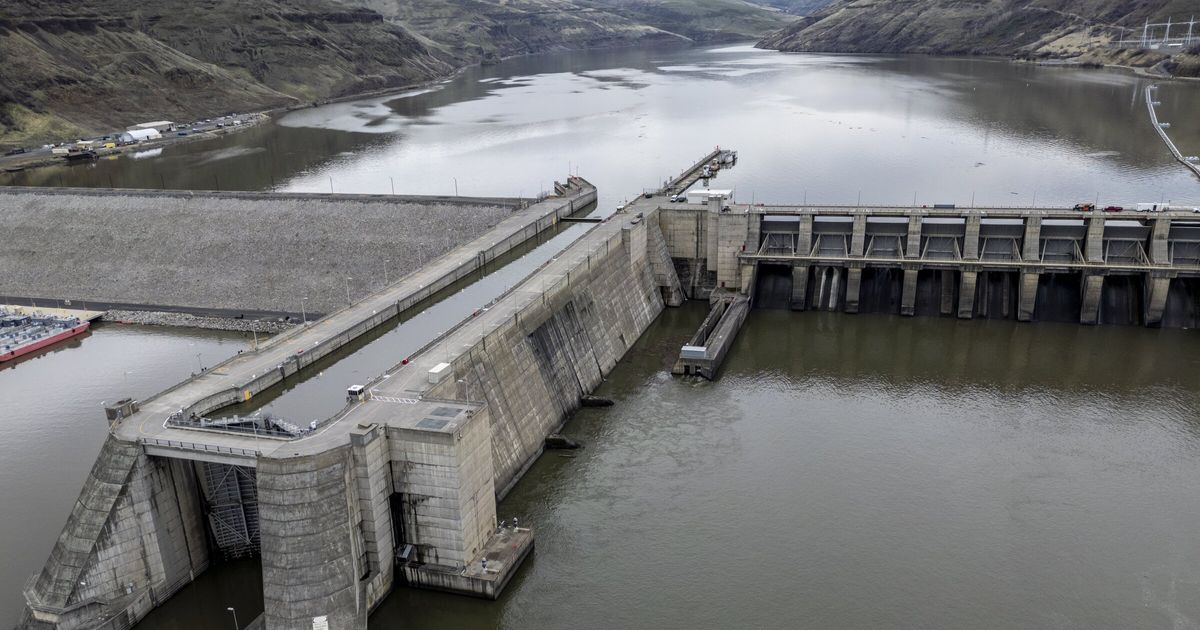
According to the council’s rigorous work, 10 million to 16 million adult salmon and steelhead historically returned to the Columbia River annually, a number that has plummeted to fewer than 2.5 million adult fish today. The council also determined that the biggest driver of that decline was hydropower — the dozens of dams and their reservoirs that have cut off and degraded thousands of miles of once highly productive spawning, rearing and migratory habitat.
The council used this analysis to establish its numerical target for the Columbia Basin — an annual average return of 5 million adult fish. It has repeatedly reaffirmed that interim goal — a fraction of historic abundance but an important start — as a way to address losses attributable to hydropower and drive BPA’s operations.
The council is collecting input as it creates its 2026 fish and wildlife program. Many, including state and tribal fish managers, have proposed measures that could help the region finally achieve this interim goal of 5 million fish — from improved hydrosystem operations to the reintroduction of salmon in areas blocked by dams.
BPA, however, is calling on the council to reduce or eliminate its long-held goal of 5 million returning adult fish and argues it has no responsibility to try to meet the target if it is retained. In its comments to the council on May 19, BPA said it no longer wants the target to be a legal obligation or “a yardstick for program success.”
BPA’s position is harmful — an insult to the ratepayers who have invested millions of dollars in the power purveyor over the years and to all of us who care about wildlife and tribes. It also does not square with BPA’s obligations under the Northwest Power Act, which mandates that BPA “protect, mitigate and enhance” fish and wildlife populations harmed by dams and their warm-water reservoirs.
Indeed, BPA’s effort to walk away from its responsibilities strikes at the heart of our region — our economic vitality, recreational fishing culture, commitments to tribes and special way of life.
Much is at stake. We urge the Northwest Power and Conservation Council to step up during this historic moment and work to help the region transition to clean, affordable and reliable energy, and rebuild abundant wild salmon and steelhead populations before it’s too late.
