

Celebrate Mother’s Day with nine bold, beautiful and bizarre animal moms
Here are some of the most fascinating facts about animal moms, from naked mole rats to giraffes and octopuses
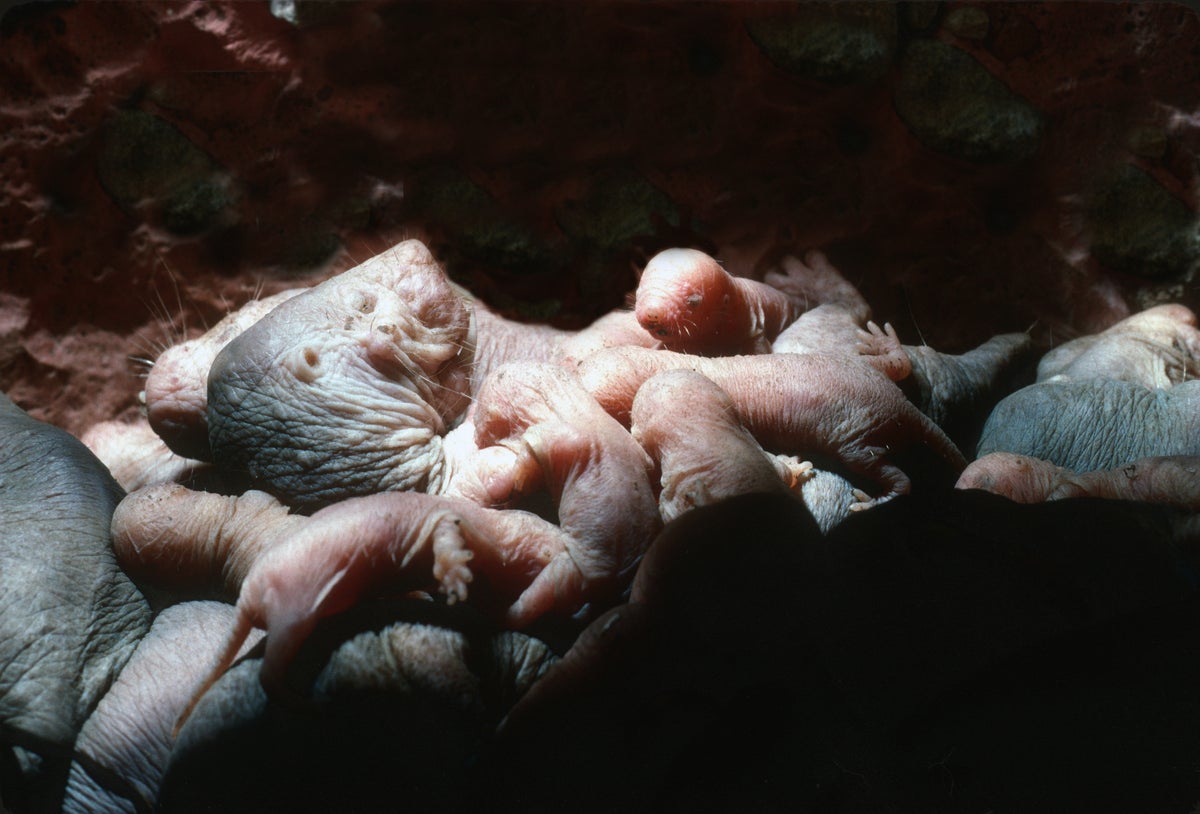
A naked mole rat queen in brood chamber suckling babies.
Neil Bromhall/Getty Images
Motherhood in the animal kingdom is a mixed bag. Take pregnancy: a female alpine salamander may gestate its young for as long as four years—typically the longest pregnancy of any animal—while opossum gestation times can be as short as around two weeks. Parenting styles differ, too: some whales live in female-led groups for generations, while other animals (see: snakes, fish, turtles) leave their young to fend for themselves from birth. And sure, animals such as starfish and flatworms can reproduce by cloning themselves—but at the end of the day, in most species, the survival of animals rests on their mothers.
In honor of Mother’s Day, we dug into the Scientific American archives and found nine of the most bold, beautiful and bizarre things animal moms do. Here are the highlights:
Crocodiles listen to their babies’ calls—from inside the egg
On supporting science journalism
If you’re enjoying this article, consider supporting our award-winning journalism by subscribing. By purchasing a subscription you are helping to ensure the future of impactful stories about the discoveries and ideas shaping our world today.

Nile crocodile (Crocodylus niloticus), with eggs.
Sylvain CORDIER/Getty Images
When young crocodiles are ready to hatch, they let out calls that sound a bit like a sci-fi laser sound effect. When a mother crocodile hears those calls, she’ll dig out the nest in preparation for her babies’ arrival.
The Tennessee winnow ant poses as a false queen to lay her eggs

The Aphaenogaster tennesseensis ant.
Clarence Holmes Wildlife/Alamy
Some mothers will do anything for their kids. That’s especially true for the Tennessee winnow ant: a mother ant ensures her offspring’s survival by killing—and then chemically impersonating—the queen of another species’ colony, entomologist Alex Wild wrote in Scientific American in 2013. Slowly, the false queen’s own progeny replaces the parasitized colony. (This “impersonation” tactic is apparently common among parasitic ants.)
Naked mole rat queens can have more than two dozen babies at a time

A naked mole rat queen in brood chamber suckling babies.
Neil Bromhall/Getty Images
Ants aren’t the only animals with queens. Naked mole rats also have a matriarch: A naked mole rat queen may have several litters per year, with possibly more than two dozen babies per litter. In most cases, after the queen dies, the remaining female rodents battle to crown a successor.
Side-blotched lizard moms help their offspring “dress for success”
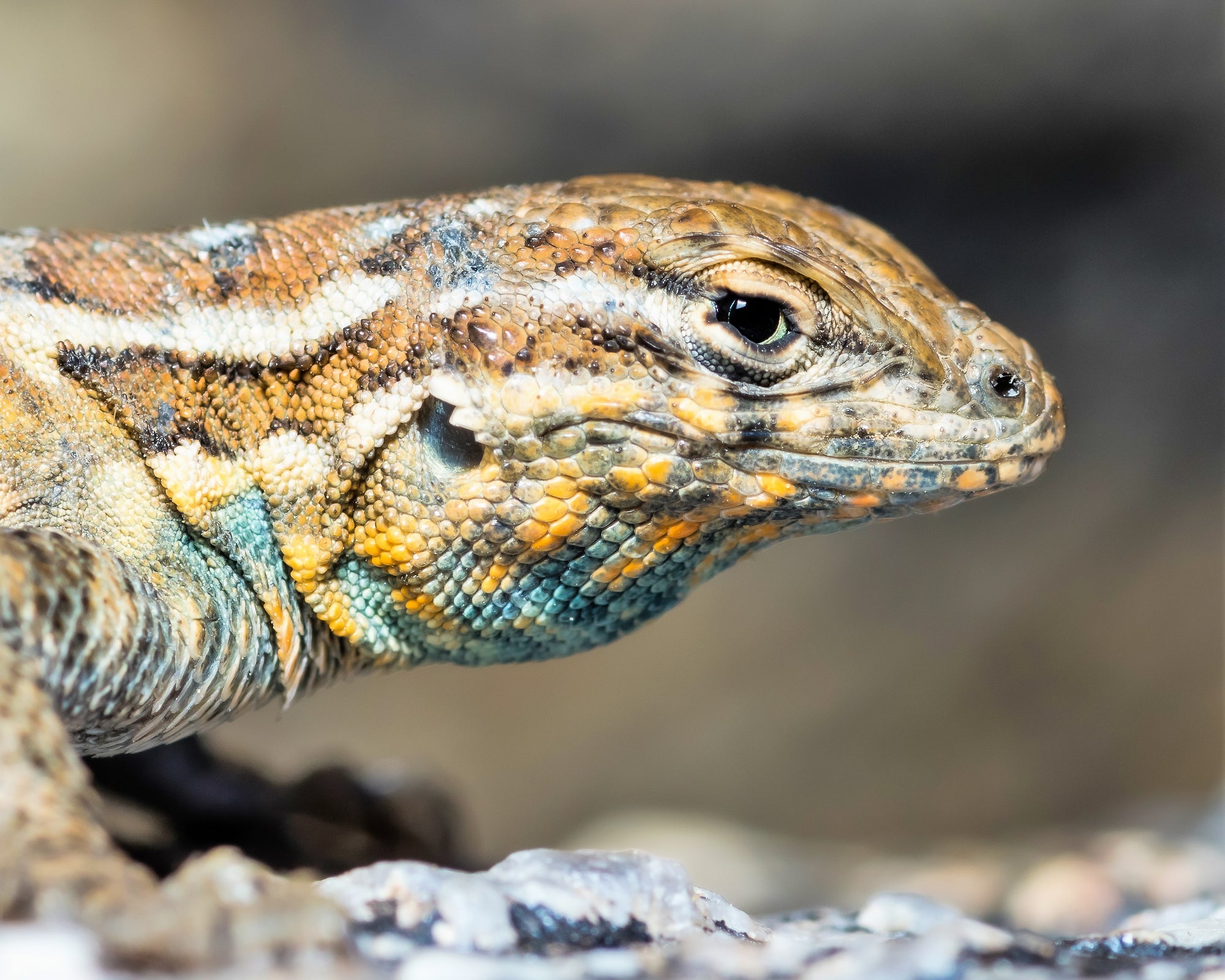
Side-blotched lizard (Uta stansburiana).
Timothy Cota/Getty Images
In 2007 researchers discovered that female side-blotched lizards can help give their offspring a leg up in the world with estradiol, a hormone the moms deposit into the eggs, Scientific American reported at the time. Adding more of this hormone influences the markings on their babies’ backs—either bars or stripes—which provide different forms of camouflage in different environments.
Giraffes may “mourn” the death of their young
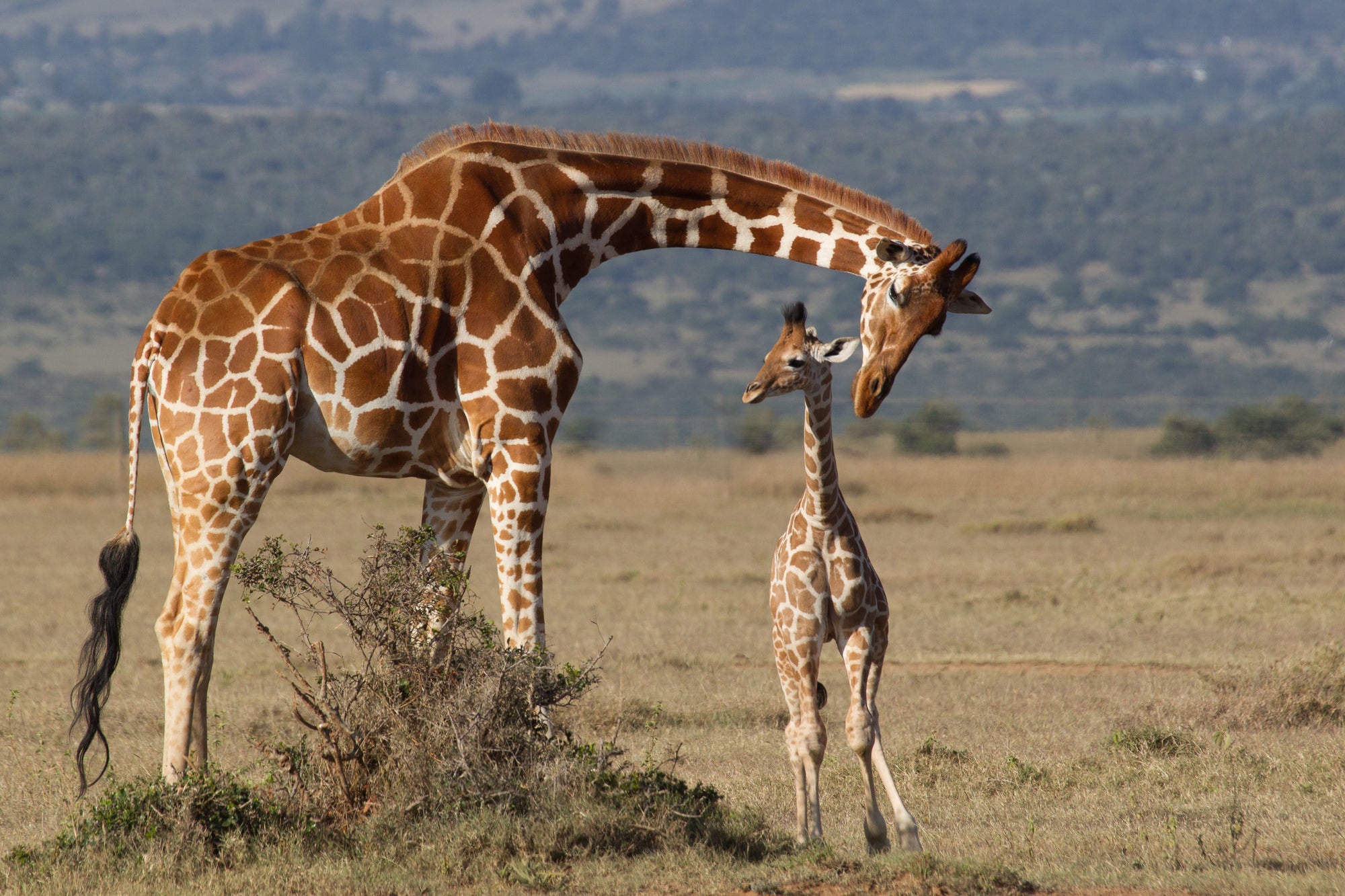
Adult and young reticulated giraffe.
Robert Muckley/Getty Images
Scientists have studied “mourning” behavior in a number of species—elephants, whales, dolphins, dogs, and more. But giraffes may have the capacity to mourn, too, anthropologist Barbara King, the author of How Animals Grieve, wrote in Scientific American in 2013. In one 2010 incident, for instance, after a young giraffe calf died, its mother and more than a dozen other female giraffes gathered around the body in an apparent “protective response,” suggesting that they may have felt a form of “grief,” King wrote.
Chimpanzees are “hands-on” parents

A mother chimpanzee (Pan troglodytes) with offspring at Gombe Stream National Park in Tanzania.
Avalon/Universal Images Group/Getty Images
In a 2024 study, researchers found that chimpanzee mothers tended to step in to defend their children in quarrels—say, over food or space in a tree—in about half of cases the researchers observed in the wild. The apes’ close relatives, bonobos, however, were more laissez-faire and rarely stepped in.
That’s not to say bonobos are “bad” mothers, one of the study’s co-authors, primatologist Martin Surbeck, told Scientific American. It may just be that intervening is not as big of an “aspect” of their mothering—unlike that of the protective chimps.
Cuckoo mothers leave their eggs in others’ nests
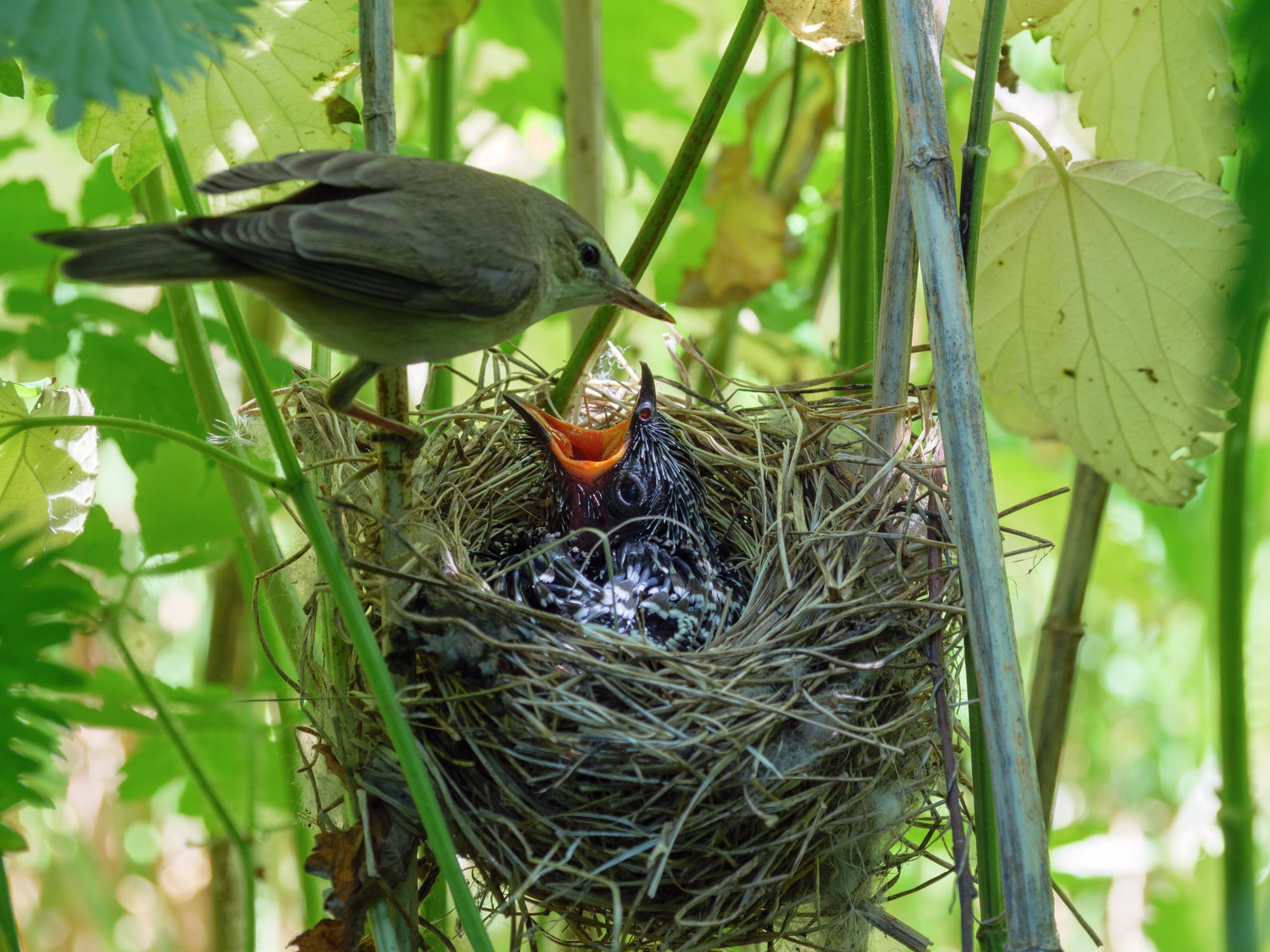
A common cuckoo (Cuculus canorus) chick in the nest of marsh warbler (Acrocephalus palustris).
Vassiliy Vishnevskiy/Getty Images
Cuckoo birds take “hands-off” parenting to another level. The birds are known to leave their eggs in other females’ nests—outsourcing the parenting of the young to another bird. Other avian species, including some ducks and finches, also engage in “brood parasitism,” or leaving their eggs in others’ nests.
Sperm whales help each other give birth

Female sperm whales holding a newborn sperm whale calf above water.
In 2023 biologists witnessed the birth of a sperm whale calf near Dominica in the Caribbean. When they analyzed footage of the event, they noticed something odd: at times throughout the birth, whales not directly related to the mother stepped in to help hold the calf at the surface of the water, perhaps to allow the calf to breathe more easily. The findings suggest whales, like humans, cooperate during birth—something that had never been documented in detail before.
Octopus mothers only lay eggs once—and then die
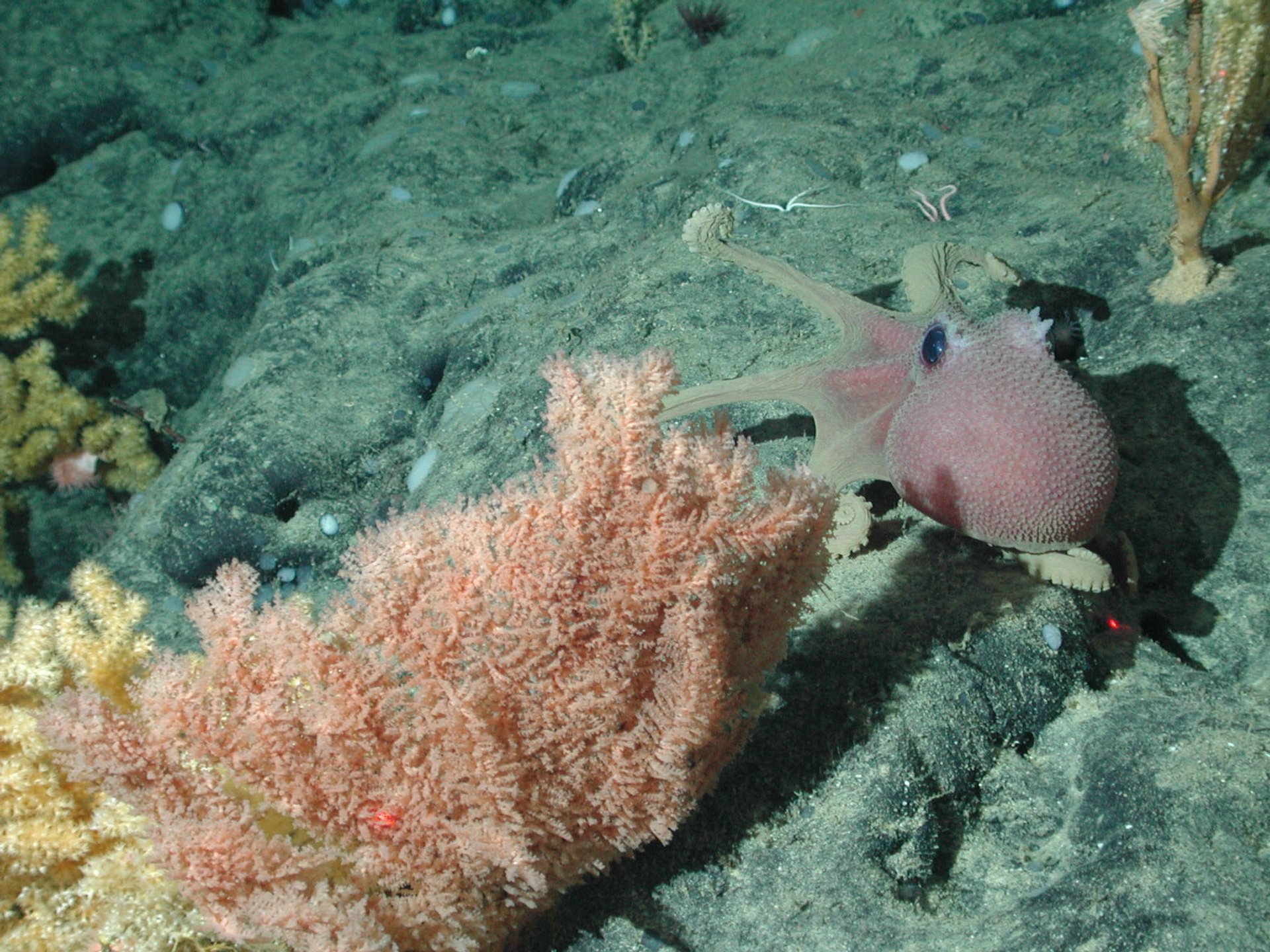
Graneledone boreopacifica, a species of deep-sea octopus found in the North Pacific.
After female octopuses lay their eggs, they typically guard their brood, stop eating and slowly die—meaning they generally reproduce only once in their life. In 2007 researchers at the Monterey Bay Aquarium Research Institute reportedly spotted a wild Graneledone boreopacifica octopus off the coast of California who went on to stay with her eggs for a record-breaking four-plus years—an even longer gestation than that of the alpine salamander. By fall 2011, her eggs appeared to have hatched, and she’d vanished.
It’s Time to Stand Up for Science
If you enjoyed this article, I’d like to ask for your support. Scientific American has served as an advocate for science and industry for 180 years, and right now may be the most critical moment in that two-century history.
I’ve been a Scientific American subscriber since I was 12 years old, and it helped shape the way I look at the world. SciAm always educates and delights me, and inspires a sense of awe for our vast, beautiful universe. I hope it does that for you, too.
If you subscribe to Scientific American, you help ensure that our coverage is centered on meaningful research and discovery; that we have the resources to report on the decisions that threaten labs across the U.S.; and that we support both budding and working scientists at a time when the value of science itself too often goes unrecognized.
In return, you get essential news, captivating podcasts, brilliant infographics, can’t-miss newsletters, must-watch videos, challenging games, and the science world’s best writing and reporting. You can even gift someone a subscription.
There has never been a more important time for us to stand up and show why science matters. I hope you’ll support us in that mission.
