

FIRST TEST FOR NEW PRESIDENT
German Bahamon, the head of Colombia’s coffee federation, said ports in Buenaventura have paused operations while inspectors evaluate the impact of landslides on key roads, but “exports continue as usual, mainly through Caribbean ports.”
Colombia is the world’s third-largest coffee producer, and hundreds of thousands of families rely on the sector.
De La Espriella, who won a narrow victory against the candidate of the prior leftist government on a platform centred on less public spending and tougher security, travelled to the affected regions early this week and pledged aid to those who lost homes and businesses. Several local mayors have announced nightly curfews, citing the possibility of looting.
“The earthquake will be the first test for the new Colombian president,” said Tiziano Breda, senior analyst for Latin America and the Caribbean at conflict monitoring group ACLED.
“De La Espriella ran on a platform to cut public finances, including defunding the state’s risk management unit,” he added. “This unit is currently at the forefront of the emergency response.”
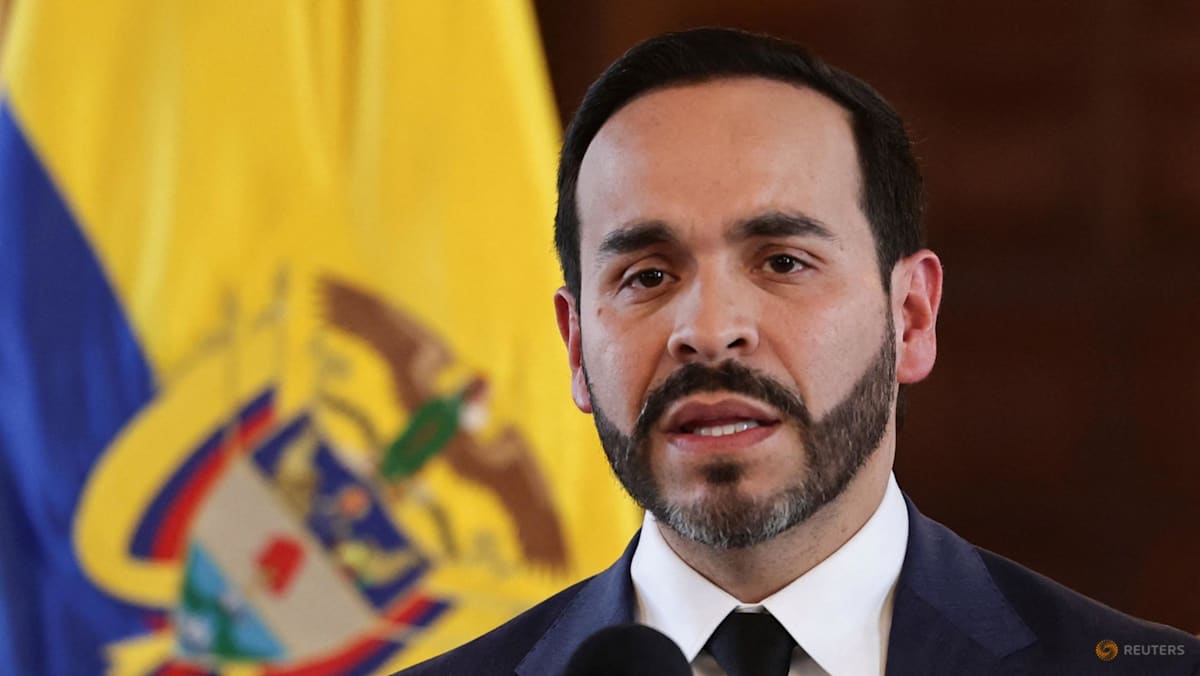
Colombia’s Foreign Minister Omar Bula rejected reports that the government had turned down international offers of aid, saying his office was coordinating the delivery of shipments that began arriving from Peru, Mexico and El Salvador.
The head of Topos Azteca, a Mexican search-and-rescue team, said in a video message that he had arrived straight from Venezuela, which suffered devastating twin quakes at the end of June.
Indira Meneses, 49, a nurse who lives with her two children and elderly mother, said the front of her home in Pereira collapsed, leaving them trapped inside. Their neighbours helped them get out, but they keep reliving the moment.
“I have five neighbours who died under the rubble,” Meneses said. “We’re waiting for local officials to help us rebuild and replace what we lost, but so far, no one has come.”
