

BIGGER THAN RAND PAUL
The Fauci conspiracy is much bigger than Rand Paul, though. Paul may be its most persistent congressional promoter, but it’s been amplified by a wider network of Republican lawmakers. Several Republican members of Congress, such as Steve Scalise, James Comer and former representative Brad Wenstrup, among others, have advanced versions of the COVID-origin narrative.
House Republicans formally investigated these claims for two years, while members repeatedly accused Fauci of suppressing the lab-leak theory and misleading the public.
That investigation ultimately endorsed a central claim of the conspiracy narrative: The House GOP’s COVID-19 investigation concluded the virus most likely leaked from a Wuhan lab, that Fauci helped shape a scientific paper dismissing that theory, and that he privately testified the “six feet apart” guidance “sort of just appeared” – though these are the conclusions of a partisan committee, not an independent inquiry, and Fauci and Democratic members have disputed them.
I’m an associate professor of sociology and criminology, and my scholarship focuses on far-right networks and digital radicalisation – the exact ecosystem where these conspiracy theories have taken root and spread. My research on how these movements evolve online and intersect with political activists and extremist networks was directly relevant to tracing how COVID-origin claims moved from fringe communities into mainstream political discourse.
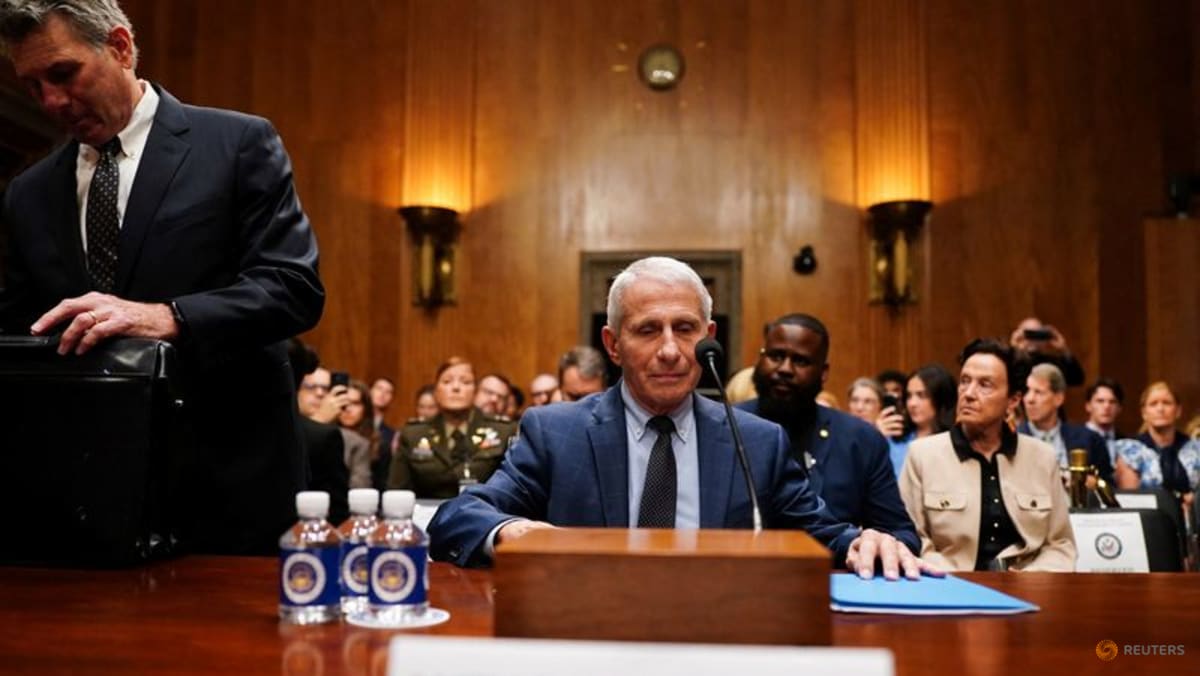
Fauci’s decision to invoke the Fifth Amendment, which he and his lawyer explained not only as a basic constitutional right but also a strategy to avoid the possibility that Paul might try to prosecute him for lying to Congress based on anything he might say, may be politically explosive and provide his opponents with another talking point.
But, in my assessment, the spectacle says more about what happens when conspiracy theories become embedded in political institutions than it does about the origins of COVID-19.
