

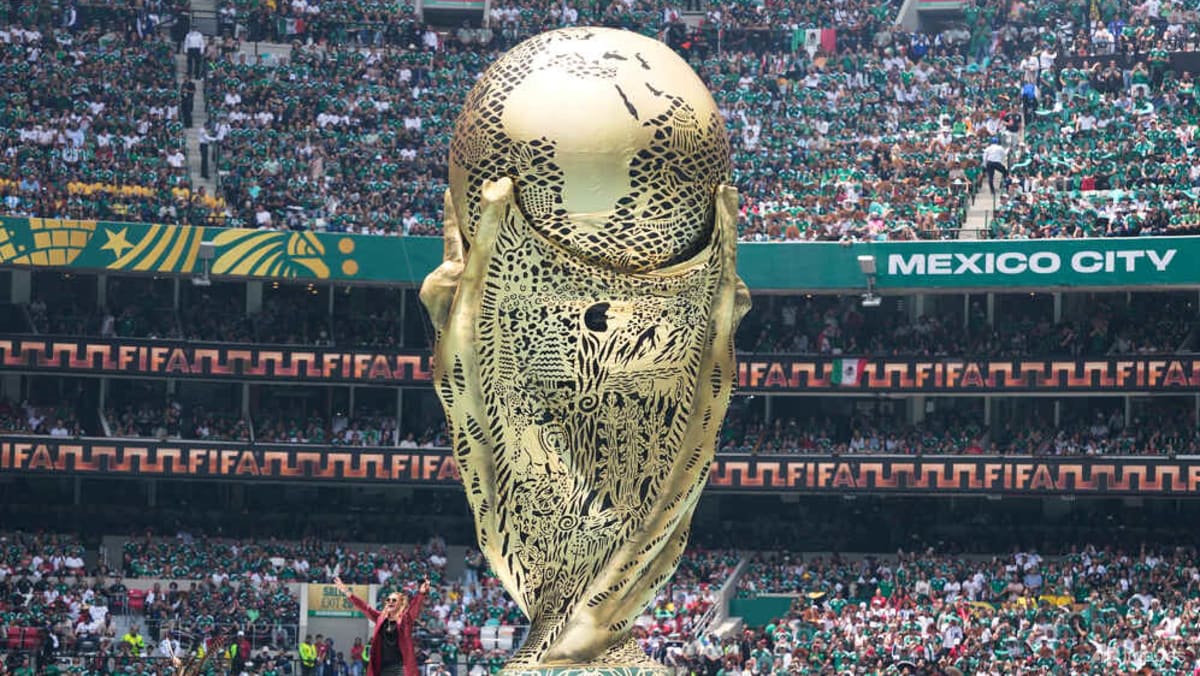
The vision of football uniting the world – FIFA’s own stated mantra – has given way to a tournament defined by who gets to participate and who doesn’t.
Professor Jules Boykoff, the author of Red Card: The 2026 World Cup, Sportswashing and the FIFA Greed Machine, describes it as a “massive paradox”: “On one hand, it has more teams than ever participating. On the other hand, because of the policies of the Trump administration, it looks more like a World Cup of exclusion than inclusion.”
This goes beyond the soaring ticket prices. Many supporters of nations that qualified from Africa and the Middle East had their visas rejected with no explanation. Visas were rejected for some of the Iranian team’s support staff, too.
And Somali referee Omar Artan was refused entry in Miami, dashing his dreams of being the first Somali official at a World Cup.
To make matters worse, the concerns over the exclusive nature of the tournament so far have been met with shrugs by Infantino, head of FIFA.
When asked about Artan’s situation, Infantino said it was “unfortunate” he was denied entry, but added, “sometimes it’s good to just to chill, relax”. Infantino also had little to say about US treatment of the Iranian team, which was abruptly moved from its training base in the US across the border to Mexico and saw the tickets for its fans revoked by FIFA at the last minute.
Infantino’s response? He said he would drive the team on a bus himself from Iran to ensure they could play. Just not the team’s fans,
