

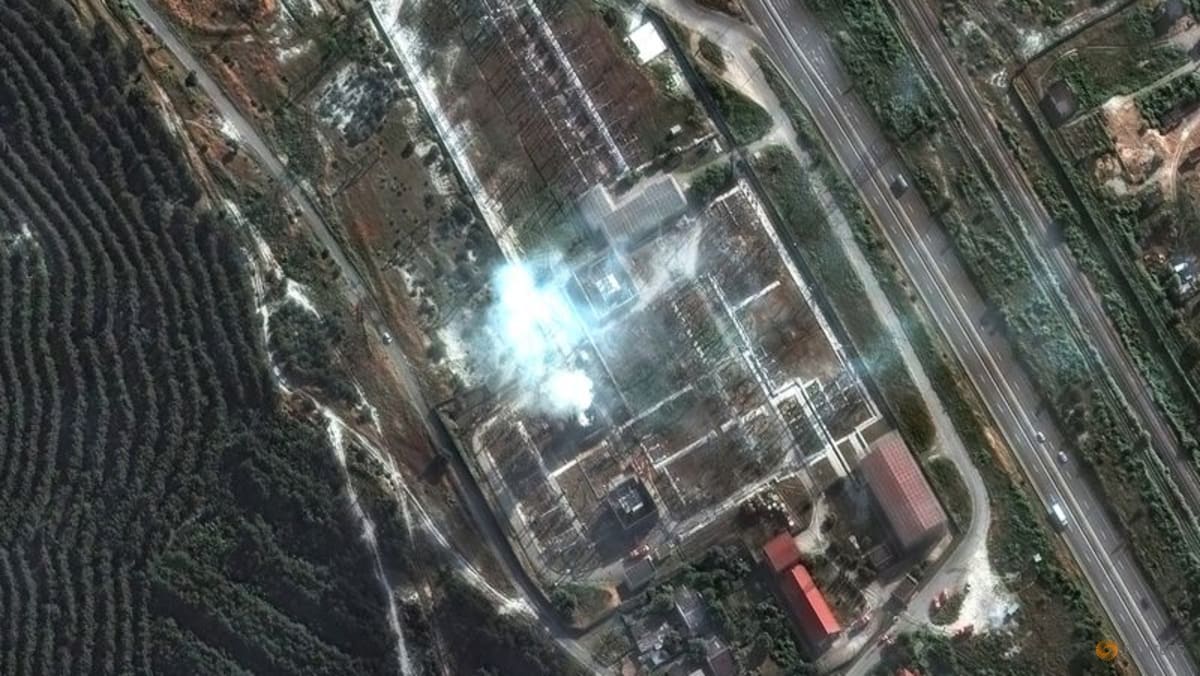
RUSSIA STRUGGLING TO ADAPT
Moscow’s failure to shield Russian society from the impact of war exposes the myth of Putin’s repeated claims that the war is proceeding according to plan. Even the US president, Donald Trump, who famously told Zelensky in early 2025 that Kyiv did not hold any cards in this conflict, has reportedly acknowledged that Ukraine is “doing pretty well”.
This raises the question of what Russia might do to try to regain the momentum. The mass invasion stage of Russia’s war in Ukraine since 2022 has revealed some clear patterns. Whereas Ukraine has been good at innovating in weapons development and in strategy and tactics, Russia has been slow to adapt to change.
In the short term, Moscow responds to setbacks by intensifying its attacks on civilians in Ukraine, as we have seen with the massive overnight strikes on Jul 1.
In the medium term, Russia adapts its tactics. For example, responding to Ukraine’s ability to strike large formations of troops on the front lines by dispatching a handful of soldiers at a time, sometimes on horseback, to continue Russia’s advance.
This suggests that we are likely to see continuity rather than radical change in Russia’s approach to this war – for example, putting more emphasis on anti-drone and anti-missile measures. But there are real doubts about whether Russia’s thinly-stretched defences can provide effective protection for the wide range of locations that Ukraine targets.
It is too soon to say whether the tide of the war has turned in Ukraine’s favour. But unless Russia finds a more robust response to the challenges it faces from Ukraine, we may look back on June 2026 as a decisive point in this conflict.
Jennifer Mathers is Senior Lecturer in International Politics at Aberystwyth University. This article first appeared in The Conversation.
