

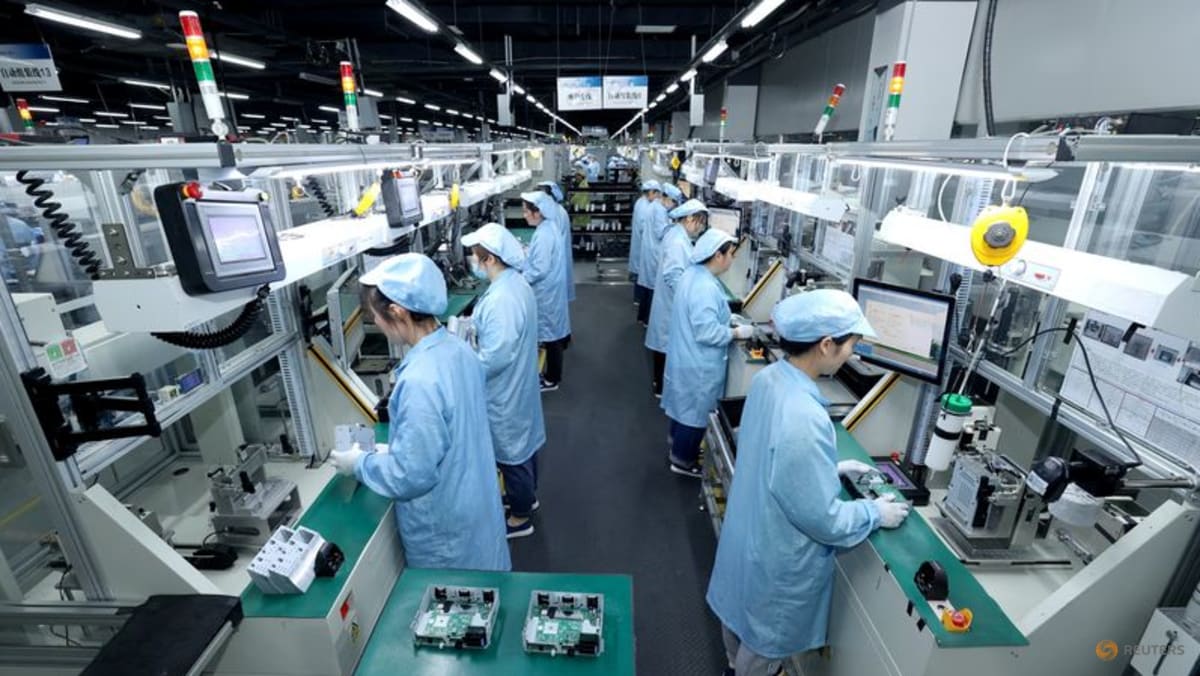
Made in China 2025, an initiative launched in 2015, positioned China to dominate key high-tech sectors of the global economy and reduce Chinese reliance on foreign technologies. It largely succeeded. Industrial subsidies, low-cost capital, preferential access and other policy actions spurred production in these sectors.
Domestic demand cannot support this huge output. China exports these goods to power economic growth, raising concerns about dumping.
The surge in Chinese electric vehicle exports now hits hard globally, and in the European Union in particular, because the US restricts Chinese imports of these goods. Chinese-made vehicles accounted for about one in five battery-electric cars sold in the EU in 2025, nearly half of which were Chinese brands.
Concerns with unfair trade practices by China and actions to counter them are global. Bert Hofman and Tan Chia How in a forthcoming paper find a majority of the trade measures taken against China now come from BRICS and other developing countries, not the EU and US.
IN COOPERATION MODE
It came as no surprise, when the US initiated investigations into unfair trade practices in March, that they included China.
Specifically, the US was looking into “structural excess capacity and production in manufacturing sectors” to examine whether foreign industrial policies and practices harm US commerce. Fifteen other economies, including Singapore, are under Section 301 investigation as well.
