

The government’s approach to childhood vaccine policy is taking a toll on parents.
I am witnessing this toll in my practice regularly. Consider the parents I saw in clinic a few weeks ago. They had just left the hospital with a healthy baby girl. They were beaming with joy. It was one of those visits that reminded me of why I became a general pediatrician 25 years ago.
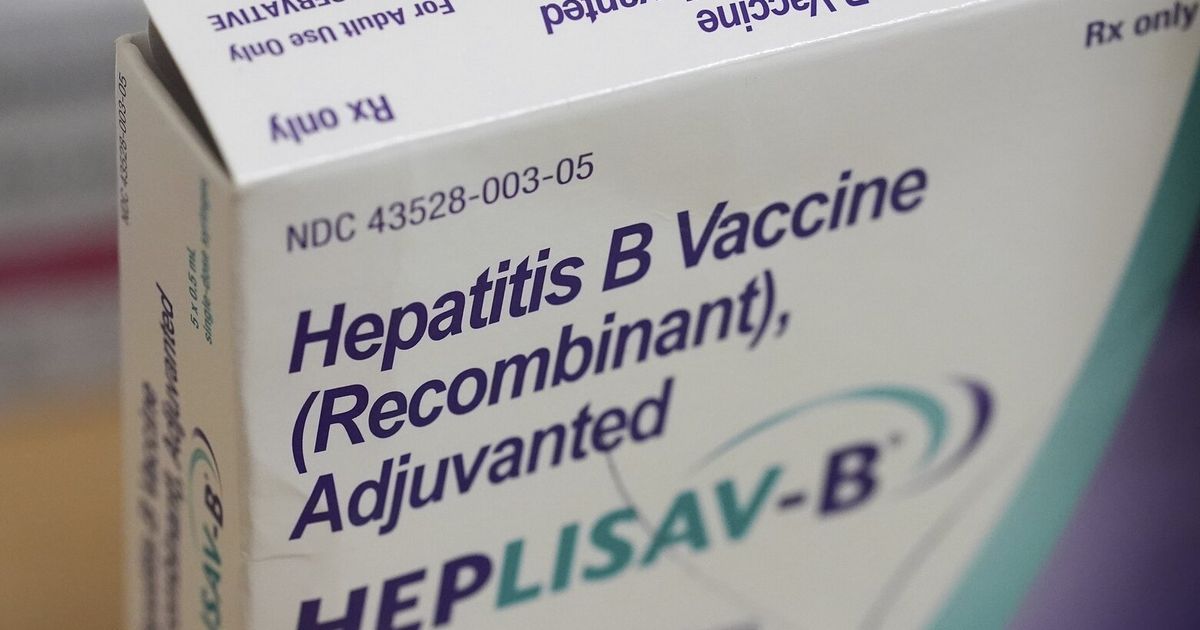
With the visit nearly completed, a look of worry suddenly washed over the mother’s face. She had just remembered something she had read that morning on her phone: The hepatitis B vaccine was no longer recommended for newborns. Distraught, she asked me, “Did we make a mistake having her immunized?” They had wanted her protected. As new parents, they also wanted to follow what was recommended.
For the past 18 months, though, those federal vaccine recommendations seem to be in a constant state of flux. First came timid recommendations in March 2025 from Health and Human Services Secretary Robert F. Kennedy Jr., saying that “the decision to vaccinate is a personal one.” Then the government’s official vaccine recommendations abruptly changed in January, were challenged and reversed, and seemingly reinstated with executive orders in August.
Parents aiming to protect their children and respond to the expectations around them are trying to find their way through this governmental chaos. This has made their work of caring for their children increasingly hard. And pediatricians like me are having to reimagine our work and relationships with parents as we try to partner with them while also providing the best evidence-based care we can.
I am grateful for the chance to partner with parents. Indeed, doctors — not governmental agencies — are patients’ most trusted source for health information. This is especially true for childhood vaccines.
But this has meant I have found myself navigating uncharted terrain with parents as of late. The American Academy of Pediatrics, for instance, has severed its alignment with the federal vaccine schedule because of the lack of scientific basis for any of the federal changes. This is unprecedented. Never before have I had to help parents find a route through conflicting federal and professional vaccine recommendations. Now I do it weekly.
Parents are also finding themselves in new territory. In a routine checkup of a toddler I had recently, I told the parents their son was due for vaccines. The father calmly but firmly explained, “Not today. You know, everyone around us has told us to stop vaccinating. We’re conservatives and live in a very conservative community, so I feel like we have to stop.” Parents’ views about vaccines are increasingly shaped by their political ideology. The current vaccine policy environment is pushing parents to choose sides.
What hasn’t changed is my general approach to vaccine conversations with parents. I recommend vaccination and explain why. I ask open-ended questions and listen when I hear parents voice concerns. I validate those concerns, and I ask permission to share my medical perspective.
All of these strategies have evidence behind them supporting vaccine acceptance. But in these politically polarized times, these strategies have come to feel insufficient. And with science denialism and vaccine misinformation now moving from the fringe to federal agencies themselves, they seem wholly inadequate.
It is heartening that the overwhelming majority of parents still believe vaccines are safe, effective, and important for their own children and public health more generally. Most parents in my practice still vaccinate their kids and do so on time. I don’t know whether this, or their trust in me, will endure the current chaos and confusion generated by the federal government. What I will continue to do is be available to parents in the best way I know how: as their partner, committed to doing what’s best for their child’s health. I hope it’s enough.
