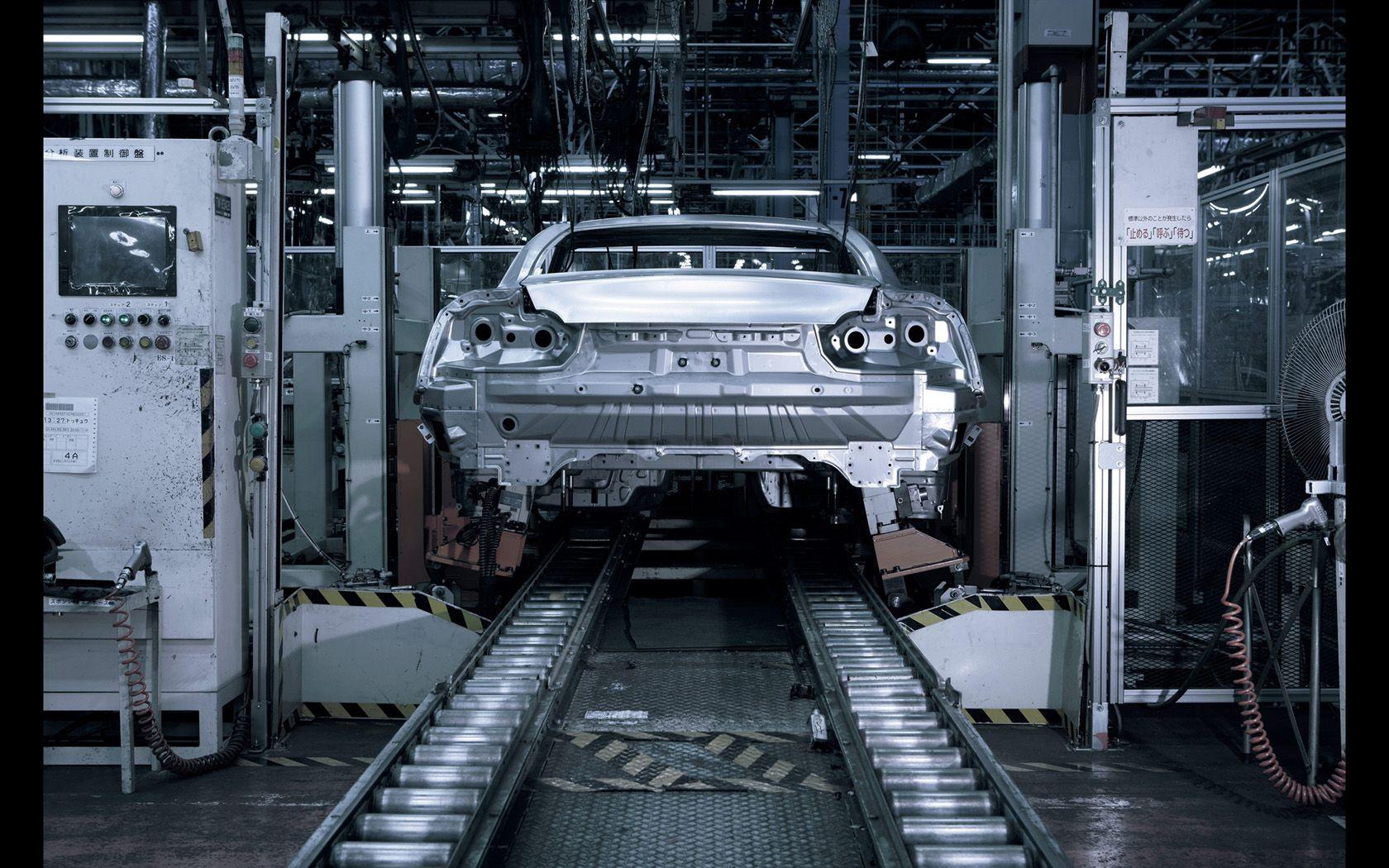
Brussels apparently believes it can dictate what an industry produces without accepting responsibility when the economics cease to work. Renault is now warning that European production could fall by approximately 300,000 vehicles unless there is greater flexibility around the 2030 emissions requirements. Volkswagen describes the mass market business as under “enormous pressure.” BMW’s global deliveries fell 6.4% in the third quarter, with China down by a quarter. Competition is fierce, customers have choices, and these companies cannot finance a transformation indefinitely by producing vehicles at inadequate margins.
Look at how the target changed. The agreement reached in 2018 called for a 37.5% reduction in new-car CO₂ emissions by 2030 relative to the 2021 target. The subsequently adopted requirement became 55%, an increase of 17.5 percentage points. These are fleet average standards for new cars, but meeting them still depends on what customers actually purchase. A regulation can compel a manufacturer to change its product mix. It cannot compel a family to have the money, charging access, or confidence needed to buy the car.
Volkswagen, Stellantis, and Renault account for more than 60% of European car production. Their mass market operations rely on high volumes and thin margins. That means even a relatively small deterioration in costs or sales can produce a substantial financial problem. The consequences then move through suppliers, machinery makers, transport firms, and communities built around manufacturing. Nobody should imagine that removing 300,000 vehicles from production would affect only Renault’s accounts.
Europe’s own Council describes the wider automotive industry as supporting 12.7 million jobs and contributing more than 7% of EU GDP. Yet its explanation of the emissions rules promises stronger competitiveness and more jobs in new technologies. Fine. Show the workers where those jobs are, what they pay, and when they become available.
Now the Commission proposes easing the 2030 van target from 50% to 40% and the 2035 tailpipe-reduction requirement from 100% to 90%, subject to compensating measures. The passenger car target for 2030 remains 55%. These are proposals, but they expose the problem with planning an industrial transformation around political deadlines. Companies commit capital, develop products, and reorganize factories while officials argue over which requirements should survive. Who pays when the assumptions change? The business, its employees, and eventually the taxpayer asked to support another rescue.
This obsession with the 2030 target is sheer stupidity when Europe is already struggling with expensive energy, mounting debt, war, and competition from manufacturers who can produce cars for less. Where do they imagine the money for this transformation will come from? They are demanding enormous investment while making it harder for the companies expected to provide it to earn a profit. Keep squeezing those margins and production moves, suppliers close, and the industrial skills accumulated over generations disappear with the jobs. Brussels can congratulate itself for reducing emissions within Europe while Europeans buy vehicles manufactured elsewhere. What has that accomplished for the worker whose factory is gone? A deadline means nothing if reaching it helps destroy the industry that supports your economy. Yet they cling to 2030 as though preserving a political promise matters more than preserving the livelihoods of the people paying for it.