

In crisis there usually are no altogether “good” options. We are forced to pick among imperfect solutions, with one clear choice achieving a most equitable outcome amid the chaos.
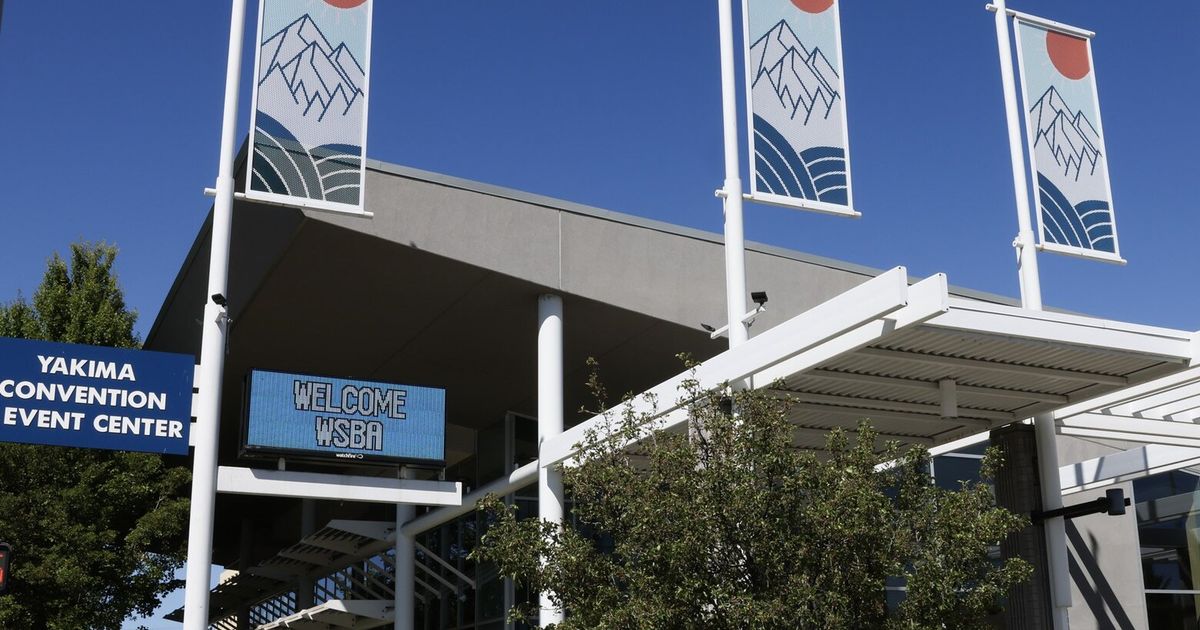
Such is the case in the aftermath of Tuesday’s catastrophic failure to administer the Washington Bar Examination, and specifically — for the first time — the resource-intensive new NextGen bar exam. Severe internet connectivity and software issues at the Yakima Convention Center, the sole testing site in Washington, plagued the attempted administration of the exam.
After hours of delays and numerous futile attempts to resolve or work around the problems, the Washington State Bar Association threw in the towel and sent the approximately 700 understandably frazzled test-takers home, with a message postponing the July bar exam to early September.
A postponement of an exam for five weeks may not seem to be a big deal, were it a driver’s license test or a dental exam. The postponement of a bar exam, however, is devastating to the candidates who spent thousands of dollars and countless hours preparing for the exam, disrupting work and family life, arranging travel to and lodging in Yakima, and strategically pacing their studies so that their retention and recall of the law “peaks” the first day of the two-day bar exam.
It is unconscionable to require candidates to expend the enormous amount of financial, familial, professional, physical and intellectual resources that it takes to get ready to pass a bar exam for a second time, forcing them to reenact this difficult and protracted balancing act, solely because of the bar examiners’ failure to properly pressure-test and troubleshoot a new NextGen bar exam requiring unprecedented levels of technological readiness.
Should it surprise anyone that packing 700 test-takers, all requiring wireless broadband access, into a single remote testing facility with limited Wi-Fi capacity and technical support capabilities was doomed to fail, or at least lead to significant disruption?
The only equitable remedy in this very difficult situation is for the Washington Supreme Court to grant licensure through diploma privilege immediately to all graduates of ABA-accredited law schools who were present and prepared to take the bar exam Tuesday in Yakima. “Diploma privilege” is the mode of attorney licensure made available by the Washington Supreme Court whereby a candidate for admission to the bar becomes a licensed attorney principally by earning a degree (a “diploma”) from an ABA-accredited law school, or by successfully completing the state’s APR 6 Program — which has its own rigorous tests of competency.
This would not have been the first time that the Washington Supreme Court would have issued such a remedy during an intractable disruption.
At the height of COVID-19, the Washington Supreme Court decided it would be logistically impossible to administer a safe and reliable bar exam. Instead of putting the lives and careers of the candidates on hold, and keeping them from delivering much needed legal services to a state with some of the gravest access-to-justice challenges, and attorney shortages, in the nation, the court licensed everyone who otherwise was qualified to sit for the bar exam by means of diploma privilege. The Supreme Court should do the same here, given the analogous circumstances.
If anything, the arguments for diploma privilege are only stronger now than they were during COVID.
First, as we saw during the deliberations of the Supreme Court’s Bar Licensure Task Force, the Washington attorneys licensed under COVID-era diploma privilege have not generated a disproportionate share of disciplinary or other complaints compared to attorneys licensed after a successful bar examination.
Second, there are significant and disqualifying concerns with testing integrity and fairness, considering that many students who obtained disability and other accommodations were able to complete the exam in Yakima — albeit with some software and connectivity disruptions of their own. Using the same or similar exam questions for another cohort of test-takers in early September, when deliberate or inadvertent disclosure of exam contents would be inevitable in the intervening weeks, would render the September exam unreliable.
Admission to the bar through diploma privilege is no “gift” to the candidates. Many of these are law school graduates who are the first in their families to graduate from college, never mind law school, and who worked tremendously hard to prepare for this moment and to earn through successful bar examination one of the most sought after law licenses in the United States.
Tuesday’s debacle denied these deserving candidates what has become known as an admittedly flawed but vaunted rite of passage for new attorneys.
Diploma privilege is not an ideal option. But it is the only equitable one. And it is imperative that the Washington Supreme Court, nationally renowned for its commitment to fairness, make this remedy available without delay. Justice requires nothing less.
