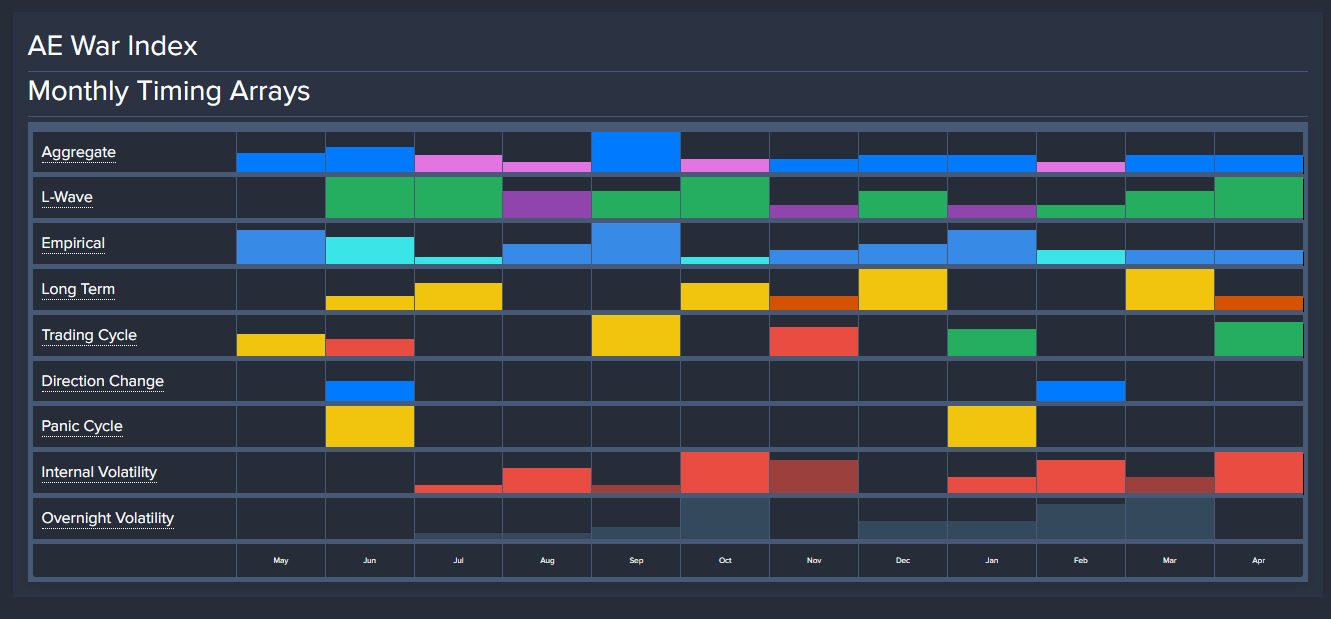
Is War a Contagion?
World War I is certainly a classic case of war emerging as a contagion. The assassination of Archduke Franz Ferdinand triggered a chain reaction of alliances pulling countries into the conflict. That seems like contagion through formal treaties. Yet, there is also the spread of revolutions. The American Revolution saw Washington being inaugurated in 1789, while the French Revolution erupted. Then in 1848, another revolution in France inspired uprisings across Europe. The 1848 revolutions are another example of how ideas and uprisings spread from one nation to another. This is more about ideological influence rather than direct conflict spread.
But not all wars spread. Some stay localized. The Iran-Iraq War in the 80s didn’t escalate beyond the two countries. So why is that? Factors such as alliances, geography, or international intervention can contribute to conflicts. Economic interdependence is another point. Countries tied by trade might avoid war because it’s costly. That has been my point that sanctions promote war, whereas free trade inspires cooperation. Sanctions have not worked on Russia, and they have only galvanized Iran and North Korea. They deter peace and build a wall between hardened adversaries. The European Community is often cited as an example of how economic ties can reduce conflicts. Still, it then formalized a centralized government that imposed centralized laws on migrants, which has divided countries by ignoring their concerns for law and order. But does that always work? Maybe not, but it’s a factor.
Then there’s nationalism and ethnic ties. Yugoslavia’s breakup led to multiple wars because ethnic groups in neighboring areas were affected. That’s contagion through shared identities and tensions spilling over. NATO intervened and bombed Serbia simply because they were pro-Russian. NATO refused to honor the Minsk Agreement in Ukraine because the Donbas was pro-Russian, demonstrating that NATO is by no means impartial or ethical.
The United Nations is just as much a failure as the League of Nations, largely due to internal biases and ethical corruption. The Cold War involved proxy wars but avoided direct superpower clashes, maintaining a semblance of containment for image purposes. Every war that the US got itself into, thanks to the Neocons since World War II, has always been about Russia.
They might also be looking for ways to prevent war contagion. Highlighting factors such as diplomacy, economic ties, and international cooperation could be beneficial. Emphasizing that while contagion happens, it’s not inevitable, and there are mechanisms to stop it.
In conclusion, war can spread like a contagion under certain conditions, but various factors can contain it only to a point. The idea that war spreads like a contagion holds significant weight in historical analysis, although it’s not a universal or an inevitable law. Several mechanisms demonstrate how conflict can leap from one nation to another, and that MUST be our concern right now between Israel vs Iran, when Iran is by no means standing alone, and the confrontation by the West is in motion against Russia, China, and North Korea, providing incentives to support Iran.
Alliance Systems & Entangling Commitments, as in NATO, are more of a threat of creating a global war contagion than a deterrence. Treaties (defensive, offensive, or mutual aid) can draw neutral countries into a conflict when one signatory is attacked. This is arguably the most direct form of contagion and the very design of NATO. World War I is the quintessential example of how NATO threatens the very future of Europe and the world. The assassination of Archduke Franz Ferdinand triggered Austria-Hungary’s ultimatum to Serbia. Russia mobilized to support Serbia, Germany mobilized to support Austria-Hungary and declared war on Russia, France mobilized to help Russia, Germany invaded Belgium to attack France, pulling in Britain due to its guarantee of Belgian neutrality. A localized Balkan conflict engulfed Europe and its surrounding regions within weeks. The EU hopes to drag the United States and Canada into their dream war with Russia, which has no benefit to Canada or the United States other than making Bill Gates jump for joy by reducing the population.
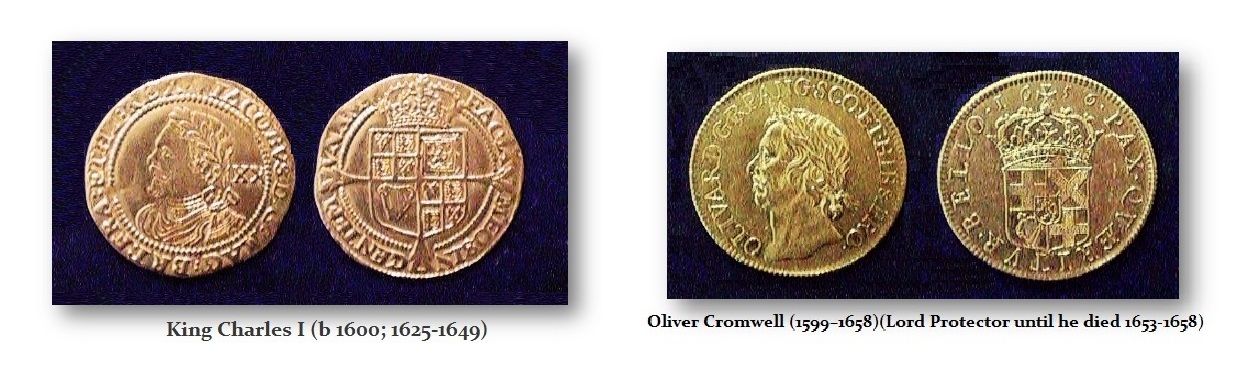
The Ideological or Revolutionary element like overthrowing monarchy, communism against capitalism, Protestant vs Catholic, or Sunni vs Shite, or Islam vs Jeudiam. Successful revolutions or ideological movements can inspire and directly support similar uprisings in neighboring or ideologically aligned countries. Fear of such a spread can also trigger preemptive interventions. Countless examples can be found in the American and French Revolutions, the Cold War, the Revolutions of 1848, and the various religious wars, from pagan vs. Christian to the Protestant Reformation against Catholics, which even led to the English Civil War. The coinage of England displayed the image of Cromwell wearing a laurel wreath (The king is dead, long live the King).
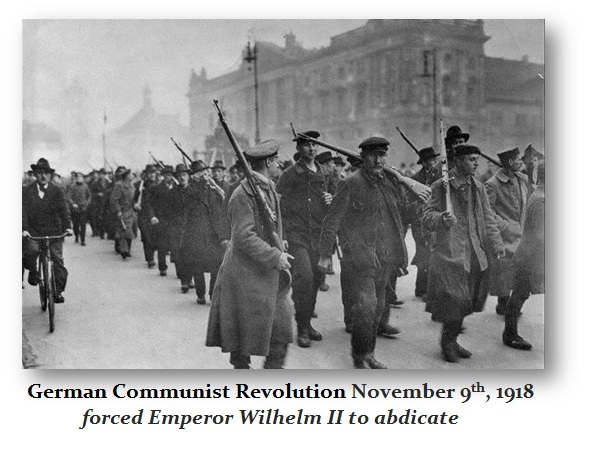
Even the rise of Marxism with the 1917 Russian Revolution inspired the German Revolution in 1918, which overthrew the government and ushered in the Weimar Republic. That, too, ended in hyperinflation.
Spillover Effects:
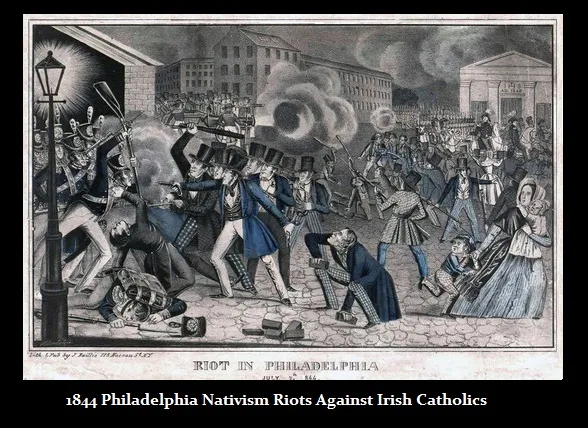
Active conflicts create destabilizing forces that inevitably cross borders. Look at the Refugee Crisis. Mass displacement strains resources and can alter demographics/politics in neighboring states. Allowing immigration during an economic decline will always spark civil unrest, which can result in revolution and the overthrow of governments.
Rebels, terrorists, or militias may use neighboring territory as safe havens, drawing those countries into the conflict. That has always been a common practice, as in Vietnam. The Vietnam War (1955-1975) spilled over significantly into neighboring countries, primarily due to the Ho Chi Minh Trail (a vital North Vietnamese supply route) and US efforts to disrupt it, along with political instability in the region. Thailand was a crucial US ally and provided major airbases for US operations over Vietnam, Laos, and Cambodia.
Economic Disruption has also played a key role. Trade routes are severed, markets collapse, and resources become scarce, affecting neighboring countries. This has often resulted in border skirmishes, accidental incursions, or attacks on shared ethnic groups, which can ignite new fronts.
The Syrian Civil War spilled significantly into Iraq and impacted Lebanon, Jordan, and Turkey through refugees, Kurdish issues, and ISIS operations. The Rwandan Genocide spilled into Zaire (DRC), contributing directly to the devastating First and Second Congo Wars.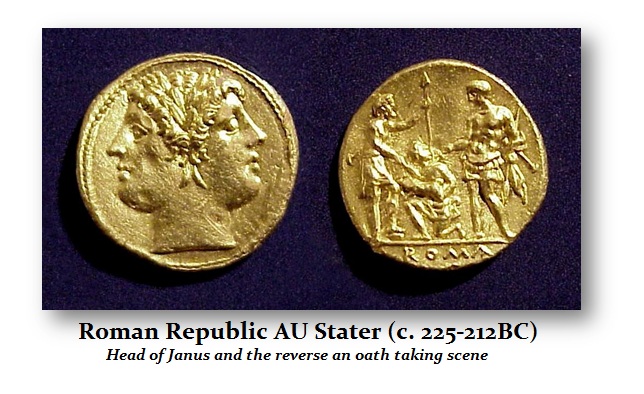
Even in ancient times, one need only look at the Punic Wars between Rome and Carthage. While Rome and Carthage were the principal antagonists, the Punic Wars were truly Mediterranean-wide conflicts. They involved extensive campaigns across multiple continents (Europe, Africa), drew in major regional powers (Macedon, Syracuse, Numidia), forced countless smaller tribes and cities to choose sides, and reshaped the political map far beyond the immediate territories of the two main rivals. The “spillover” was fundamental to the nature and scale of these wars. Rome issued its first gold coin to impress other Italian city-states to side with them.
The Danger of Victory – Power Vacuums:
A major conflict can weaken a regional power or create a power vacuum. This is what NATO and the EU are doing, sacrificing Ukraine to reduce Russia in hopes of conquest. Here, the EU is deliberately promoting war against Russia to create an opportunity to settle old scores, grab territory, and expand its influence, believing that Europe can rise again to its former glory.
During World War II, Italy’s invasion of Greece and the Soviet Union’s invasion of Finland were opportunistic moves made while the major powers (Germany, France/UK) were focused elsewhere. The collapse of the Ottoman Empire created power vacuums that drew in multiple regional and European powers, who carved up the Middle East.
Nationalism & Ethnic Kin:
Conflict involving a specific ethnic group can ignite tensions or interventionist desires in neighboring states where the same group lives (or where a rival group lives). Hitler invaded Poland because the carving up of Germany after World War I left the Germans stranded in Poland.
The breakup of Yugoslavia saw conflicts spread partly due to the presence of Serb populations in Croatia and Bosnia, drawing in Serbia, and Croat/Bosniak populations drawing in support from Croatia. Albanian populations in Kosovo and Macedonia are also linked to conflicts. This is the core issue in Ukraine since the Donbas and Crimea are ethnic Russians, not Ukrainians, but the EU and US Neocons do not care because they want war with Russia.
Religious Conflict:
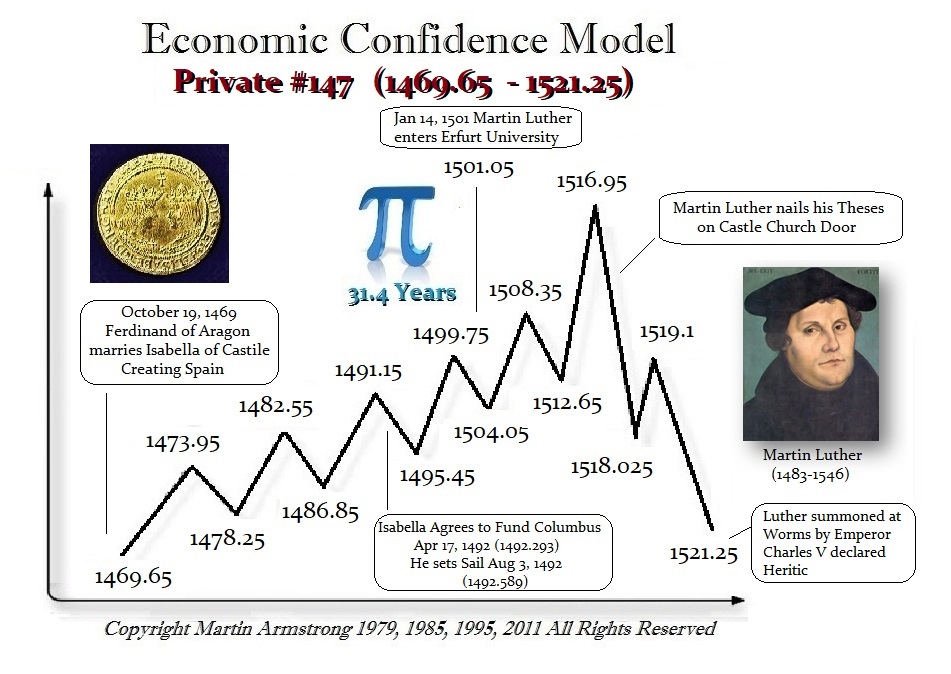
The most significant danger that we have currently is that this war between Iran and Israel is perceived as a religious war. With the massive influx of Muslims into Europe, the danger is that we see major civil unrest in all the major cities throughout Europe as this war is seen through ethnic/religious lines. We find that religion becomes the excuse for civil unrest and war when the economy turns down. We saw that with the Protestant Reformation, once the ECM turned down from 1516.95.
The Protestant Reformation spread through a powerful combination of technological innovation, political ambition, social discontent, religious fervor, and adaptable ideas. It is widely believed that the invention of the printing press facilitated this movement, as Johannes Gutenberg’s invention (c. 1440) revolutionized communication, allowing for the mass distribution of ideas. Pamphlets, sermons, cartoons (often crude and effective), and crucially, Martin Luther’s 95 Theses and subsequent writings were printed cheaply and in massive quantities.
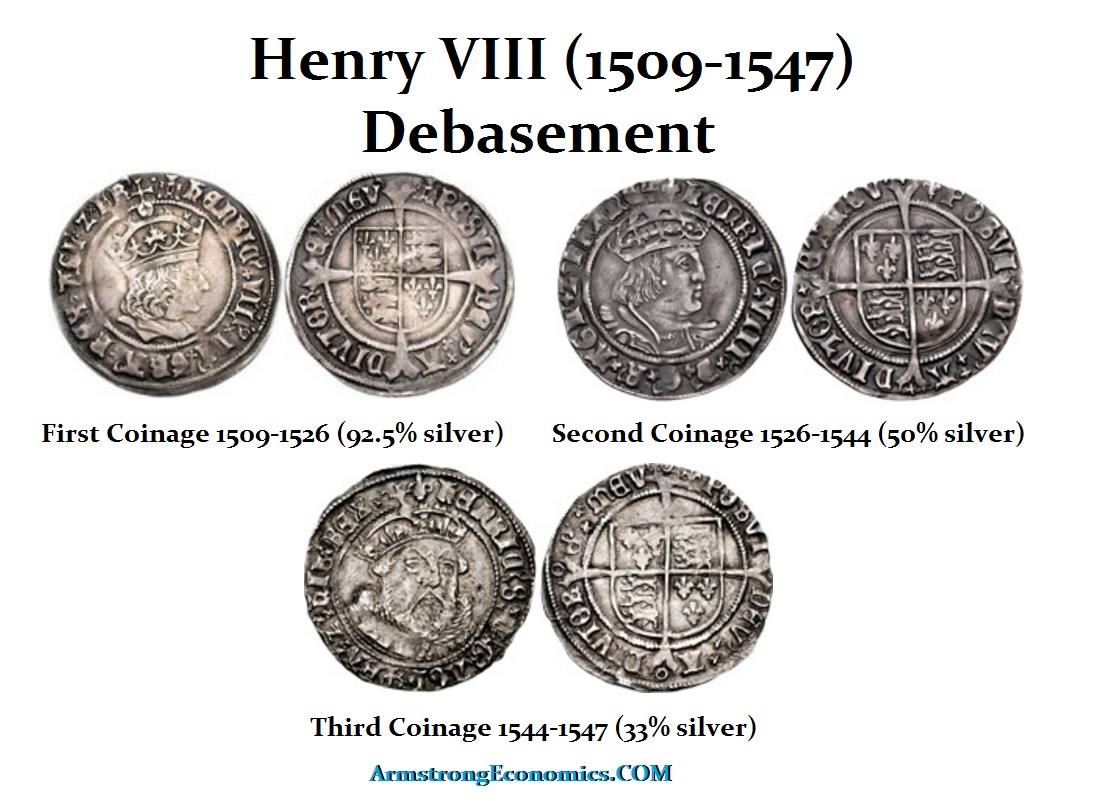
Translations of the Bible into German (Luther), English (Tyndale), French, and other languages also finally allowed laypeople direct access to scripture, bypassing the Latin-literate clergy and fueling critiques of Church practices. Luther’s German Bible became a bestseller. Many rulers in the Holy Roman Empire saw the Reformation as an opportunity to seize Church lands and wealth as the economy was turning down very hard. Kings like Henry VIII of England were dead broke and debasing their coinage. The Reformation rhetoric that called for a break with Rome prevented his bankruptcy. Gustav Vasa of Sweden used the Reformation to consolidate national power, confiscate Church property, and reduce papal influence. The powerful merchant cities, such as Strasbourg, Zurich, Geneva, and Nuremberg, often embraced reform, which was also profitable. They now controlled local churches, ended payments to Rome, and aligned with the rising merchant classes who favored reform and banking. Urban settings were also hotbeds for the exchange of new ideas. This is where history draws the beginning of capitalism, as Christians could not become bankers, rejecting the Sin of Usury.
Luther’s ideas provided the compelling religious message that resonated with existing grievances. Ambitious rulers and city councils provided the essential political protection and institutionalization. Other reformers adapted the message to different contexts, ensuring its relevance across diverse regions. Social and economic discontent created fertile ground. Together, these factors created an unstoppable wave that permanently fractured Western Christendom.
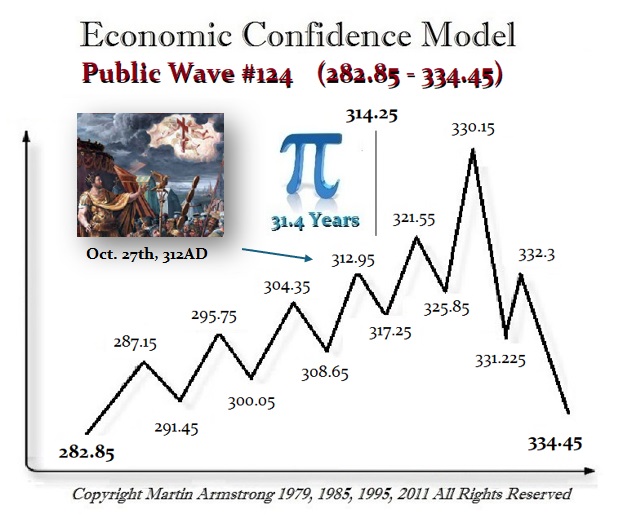
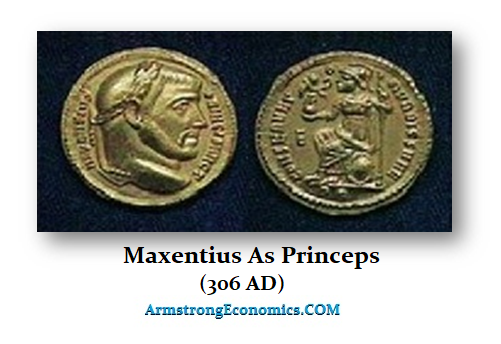 We see the same incentives behind Constantine claiming he saw a vision in the sky and painted a cross on the shield of his legions, who were outnumbered 2:1, because the legions of Magentius were Christian. Magnentius built the first Christian church in Rome. With his victory, Constantine entered Rome on October 29th, 312 AD, and staged a grand entrance into the city. Constantine did everything possible to pretend it was a widespread jubilation, but the people did not trust him.
 The fall hid Maxentius’ scepter to deprive Constantine of his glorious victory. Constantine ordered Maxentius’ body to be fished out of the Tiber River, where he had drowned, and decapitated the corpse, parading his head on a pike through the streets of Rome for all to see. Constantine was not baptized until his deathbed. He continued to issue pagan coinage, not Christian.
Constantine certainly did not patronize Christianity alone. After gaining victory in the Battle of the Milvian Bridge in 312 AD, he constructed in 315 AD a triumphal arch that still stands by the Colosseum. —The Arch of Constantine. The arch is decorated with images of the goddess Victoria. At the time of its dedication, sacrifices were made to gods such as Apollo, Diana, and Hercules. Absent from the Arch are any depictions of Christian symbolism whatsoever.

This is the ONLY coin that Constantine issued with any Christian symbol. This was issued briefly once, in 327-328 AD, and is quite rare. All his other coins are standard Pagan type issues, even years after his victory at the Battle of the Milvian Bridge, which took place between the Roman Emperors Constantine I and Maxentius on October 28, 312 AD.
Constantine’s approach to pagan temple wealth was complex and not a simple confiscation. He “redirected” significant resources from pagan institutions to support mainly his own projects. Constantine did not issue a blanket decree stripping all pagan temples of their wealth across the empire. Many temples continued to function, especially in the West, during his reign. He did seize temple wealth famously using their treasures (gold, statues, precious materials) stripped from major pagan temples in the Eastern provinces (Greece, Asia Minor) to fund and adorn his new capital, Constantinople. This was presented as a transfer of imperial glory, not purely religious plunder, but it undeniably drained wealth from pagan centers. The temples in the West escaped and continued to practice compared to those in the East.
Local vs Spreading Conflicts:
A war is UNLIKELY to spread when the issues are purely local and do not involve ethnic differences that extend to surrounding nations. This includes religion. The Iran-Iraq War (1980-1988) remained largely bilateral despite its scale and regional impact. The Falklands War was also contained. The same can be said of the English Civil War (which reached a pivotal point with the execution of King Charles I in January 1649), which did not directly spread as a large-scale military conflict to other sovereign nations like France, Spain, or the Dutch Republic. However, it significantly impacted and involved other parts of the British Isles and had international repercussions:
War & Contagions:
War demonstrably can and has spread from country to country through mechanisms resembling contagion, like a disease. This has often been facilitated, particularly through alliances, ideological spillover, physical spillover effects, opportunism, and ethnic or nationalist ties. Our greatest threat with this war between Iran and Israel is that this becomes religious and spreads, especially in Europe, as a clash between Islam and Judaism, as well as Christianity, from the militants who have flooded into Europe.