

Cars kill more than 42,000 people annually in the United States. Those of us in urban and suburban areas need motor vehicles to get us places and transport goods — or do we? Stockholm, Berlin, Hong Kong and Tokyo have all stopped designing streets just for cars and focus instead on pedestrians and cyclists. They are now the top-rated cities in the world for traffic safety. This is what I call a 180 approach, which transformed these cities’ relationship to public health, the environment and transportation. The Seattle Transportation Plan is a step in the right direction with a unified vision for multimodal (bike, walk, transit) and people-centered streets.
Fewer car commuters make room for mass transit options for people who don’t have other alternatives, while cycling offers health benefits to bikers and non-bikers, since fewer cars means less pollution. Copenhagen was gridlocked in the 1960s and now nearly 50% of commute trips are by bike. In the 1970s, city planning there was upended by the inclusion of cyclists and the commitment of resources to make cycling safe, efficient and fun.
Similarly, we need to take a “Climate 180” approach to effectively address the climate crisis. A Climate 180 includes two key principles: First, we focus strategically on climate challenges where we can make a large impact. Second, we identify who has historically had power (car owners, federal funders) and those who have not (pedestrians, Indigenous organizations) and flip that power dynamic. This flip won’t be easy, but it is critical in moving toward long-lasting climate resilience.
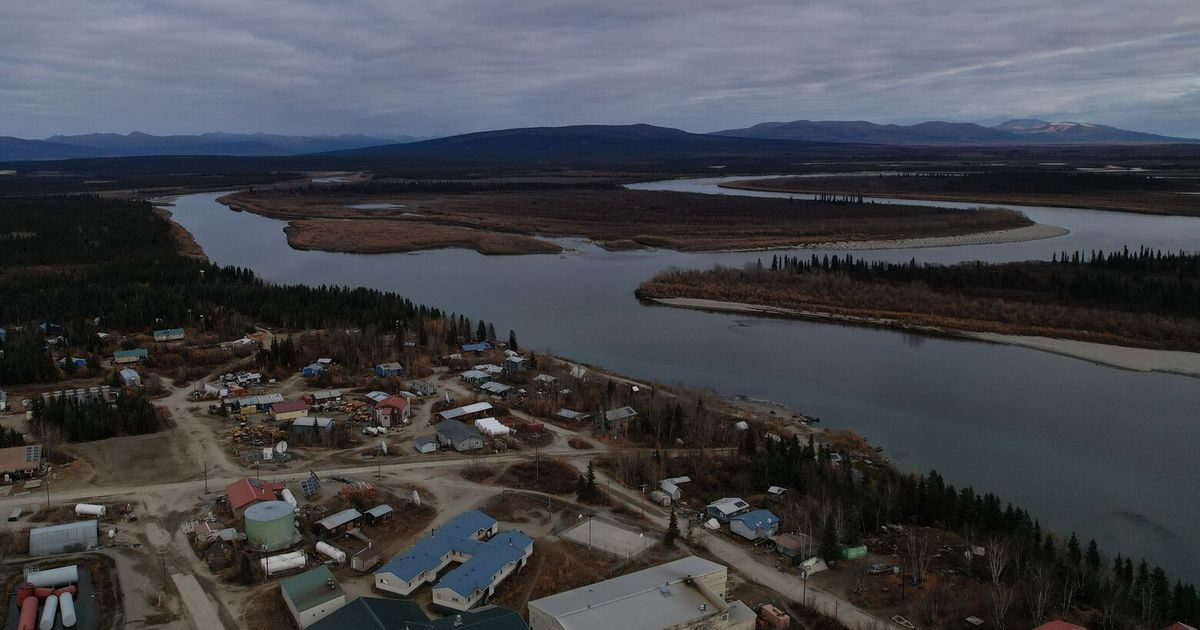
Here’s what a Climate 180 looks like in practice in the region I know best. The Arctic is rapidly warming, with cascading impacts in Alaska and across the world. Thawing permafrost destabilizes roads, homes and other critical infrastructure, and releases carbon that speeds warming of the planet. Indigenous peoples in Alaska make up about 22% of the population and have thrived in this harsh environment for millennia, yet they have not been able to drive decisions about research or policy priorities in the Arctic.
U.S. federal agencies control most research, housing and community relocation, and infrastructure funds. In order to get funding that benefits Alaskan communities, over 200 Alaska Native tribes have to seek out, and hope to be fitted into, existing federal funding opportunities.
In a Climate 180, tribes nationwide would share their strategic plans and priorities with the federal government instead of having to figure out which of dozens of predetermined federal funding opportunities might potentially work for them. Federal agencies would identify resources and mechanisms to support tribal priorities. The federal government would save time and money by reducing redundant funding opportunities and would better support community needs.
In a Climate 180, tribes or Indigenous organizations would hold abundant funds and have the capacity to distribute them. They — rather than U.S. federal agencies that operate from thousands of miles away — could issue their own priorities for researchers. People who live on the front lines of climate change and know the local conditions would drive the research.
Indigenous peoples in Canada have successfully used this 180 approach to change research topics and funding. The Canadian government reallocated funds to support the Inuit Qaujisarnirmut Pilirijjutit program, which is Inuit-led, -governed and -directed. The program has supported training, capacity building, and research of importance to Inuit on topics of ecosystems, health, language and knowledge transfer. These investments have the potential to impact a far larger region and human community.
Including Indigenous peoples in decision-making and management has launched a new era of care for our environment, a step toward a Climate 180. An effective shift of power in a Climate 180 requires a trusting partnership grounded in reliability, reciprocity and reflection. Building this relationship also means learning how history, context and power shape research and other activities, while deconstructing harmful and inequitable practices.
Seattle has taken a different approach to transportation planning, and there are more 180 approaches out there. I encourage local policymakers, government employees and researchers to consider where they can make a 180-degree turn. Where can you change the power dynamic and structure policies or research from the opposite point of view? Where can we move the needle in addressing the climate crisis? It’s time for the Climate 180 approach, not only in the Arctic, but worldwide.
Editor’s note: Due to the large number of comments violating our terms of service, comments on this op-ed have been closed. If you would like to comment, you can send a letter to the editor at letters@seattletimes.com.
