

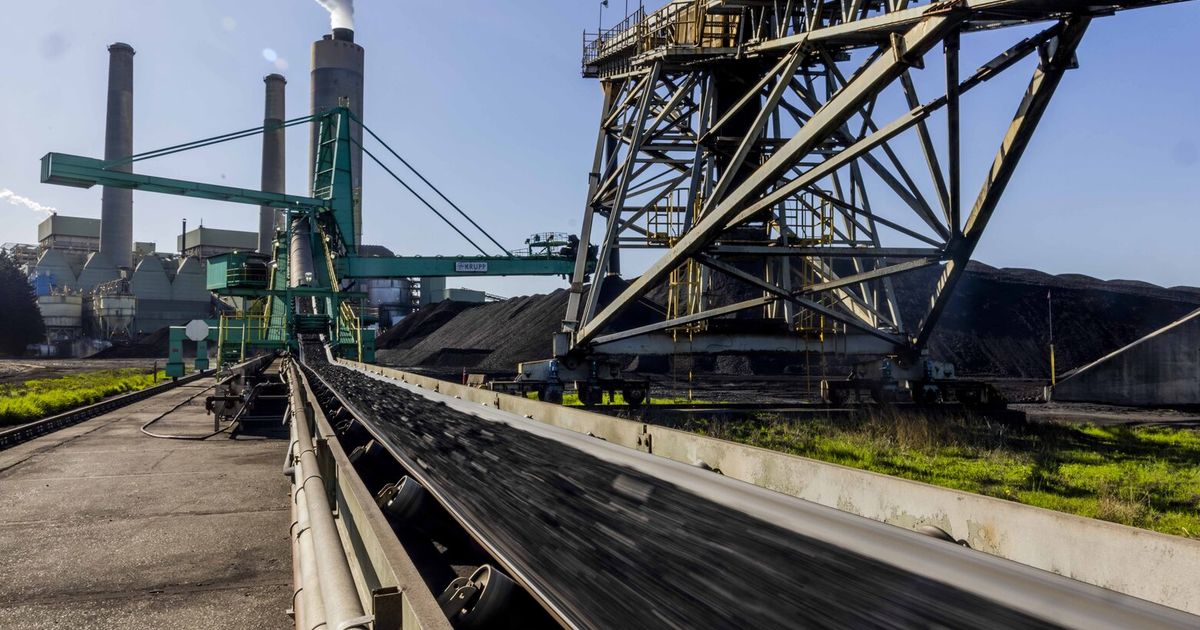
Timing is everything. Just before the holidays, the federal Department of Energy declared an energy supply emergency to justify its effort to overturn state law and force the retiring coal-fired power plant in Centralia to stay open. But the cruelest irony here isn’t the lump of coal in our stocking; it’s that DOE fabricated this emergency while we’re struggling with an actual disaster in Washington.
Flooding forced 100,000 residents to evacuate. Our infrastructure is a mess. Hundreds of thousands lost power — not because of bulk power supply shortages, but because of distribution outages caused by a storm system that has the fingerprints of climate change all over it. (More rain and less snow is one of the best-understood climate impacts in Washington.) And DOE’s response? The single action that will most effectively produce more of this mayhem: Make us burn more of the fossil fuel that causes climate disruption.
Some of my colleagues on the Northwest Power and Conservation Council may have different positions on coal, so I do not speak for them here. But as a Washington member of the council and chair of its Resource Adequacy Advisory Committee, I want to be clear that we take the challenge of reliably meeting growing power demand very seriously. We need to add significant new electric power supplies and increase our energy conservation efforts to meet the rapid load growth we anticipate over the next decade.
However, power supplies are adequate to meet current demand to a high level of reliability. A prolonged winter cold snap could strain the system, and emergency measures are in place for that eventuality. But the vast majority of the actual supply interruptions we experience, including the one we face right now, are caused by disruption to power distribution systems (poles and wires), which is becoming more frequent as climate warming increases fire and flooding. Coal plants don’t fix that problem; they cause it.
Power demand is growing as we shift to electricity to meet more of our energy needs for transportation and heating. This is good for consumers and the environment, because electricity is cheaper and more efficient than oil and gas. But it’s a real challenge for the electric power system — a challenge that should be met with rational planning and accelerated investment in efficiency and clean power supply, not rash “emergency” edicts that don’t address the actual problem. Our resource adequacy planning reduces the probability of power supply shortages to a minimum and includes contingency measures should we run into trouble. Blocking the planned retirement of an aging, uneconomic and inflexible coal plant is not one of those measures, especially since Puget Sound Energy has already announced plans to repower the plant with gas by 2028, in time to meet some of the actual power supply challenges we face.
The other big X factor on the horizon is the prospect of massive new demand from data centers. This presents a major planning challenge because the range of possible new loads is huge, introducing significant uncertainty into demand forecasts. It’s tough to get an accurate read because much of the information that planners need is proprietary; for commercial reasons, tech companies are holding their cards tight.
This potentially immense new electricity demand raises major questions. How will it affect reliability and affordability? Will meeting this demand jeopardize our ability to meet the clean energy and climate commitments in Washington law? Will it further endanger salmon and orca protection efforts? Is this the best use of our limited power and water supplies from an economic and jobs perspective? The impact on all these priorities is likely to be significant, but we don’t know for sure because key decisions are being made behind closed doors. So far, proponents of data center expansion seem to suggest we can have it all. But what happens when something has to give?
The federal government is perfectly happy to sacrifice the climate first. But this would not serve the cause of energy reliability or affordability. Coal plants are a cause, not a cure, for our most pressing reliability and affordability challenges.
Almost 15 years ago, our Legislature, workers at the Centralia plant, utilities and conservation groups agreed on a path forward — a gradual, fair and economical transition to a clean energy future without coal. We have a lot of work to do to build that future together without the unwelcome distraction of this ill-conceived effort to drag us backward.
