

When I was a baby, a long drought drove my family from our rural village in Kenya to Kibera, the largest slum in the country. My single mother wanted to provide us a better life, but with few prospects we ended up in the most vulnerable part of Nairobi.
Climate change has shaped my life and taught me much about our environment. Even my name, Odede, means “after the drought.” Now I run a globally recognized, community-based NGO across Kenya that undertakes projects to help people adapt to such changes. For one, we have built an aerial water system in Kibera that can withstand the kind of extreme flooding that seems to be becoming more common and brings with it intensifying cycles of drought and rain.
In Kenya’s most recent catastrophic rainy season, these rains displaced more than 300,000 people nationwide, led to a cholera outbreak and further strained access to food and clean water. The destruction from climate-related extreme weather events can last for decades. These disasters turn community leaders into frontline response workers, developing solutions to fight for their futures, but nongovernmental organizations that work in Africa often neglect to tap into local leaders’ deep understanding of both the people in a community and their needs.
On supporting science journalism
If you’re enjoying this article, consider supporting our award-winning journalism by subscribing. By purchasing a subscription you are helping to ensure the future of impactful stories about the discoveries and ideas shaping our world today.
We must be more than just bystanders, the passive recipients of aid in adaptation. Community leaders and local organizations must lead adaptation efforts. We, not the external groups who work in our communities, are the most knowledgeable about our local environment, and we have the most at stake.
We are living in a decisive moment. More than 110 million Africans were directly affected by climate-related hazards in 2022, and up to 700 million people are projected to be displaced by 2030 because of climate change.
Global climate priorities historically focused only on efforts to reduce greenhouse gas emissions to mitigate global warming, but the IPCC, the United Nations program around climate change, has become increasingly vocal that climate change is already here, and we won’t be able to slow it fast enough. This demands people instead adapt—to hotter temperatures, more frequent or more intense disasters, and less water, among other things. According to António Guterres, the U.N. secretary-general, we are living in an “adaptation emergency” and must “act like it.” The 29th Conference of the Parties to the U.N. Framework Convention on Climate Change (COP29), the U.N.’s major climate change conference, will take place in Baku, Azerbaijan, this month. And climate adaptation will be a hotly debated topic there. Developed countries will be making funding pledges to the Adaptation Fund, which aims to support locally led adaptation and has previously fallen short of its funding targets. Targets desperately need to be met this year to properly establish climate adaptation efforts at this precarious time
Africa is home to 17 of the 20 countries most at-risk of disruptions from climate-related hazards, and where slum dwellers, who are vulnerable to extreme weather events, make up over 60 percent of the urban population. Our communities have a disproportionate environmental impact in comparison to more-developed nations such that mitigation has little effect at this point. Africa must adapt to remain livable, by investing in solutions that help us better prepare for the impacts of climate change. Otherwise, far more people will become climate refugees.
With its pipes suspended overhead, the water system created by the organization I lead, Shining Hope for Communities (SHOFCO), provides the clean water vital to adaptation, and eliminates the dangers of contaminated water by drawing from an underground borehole. During the most recent floods and the outbreak of waterborne disease, the system continued to provide clean water to residents of Kibera.
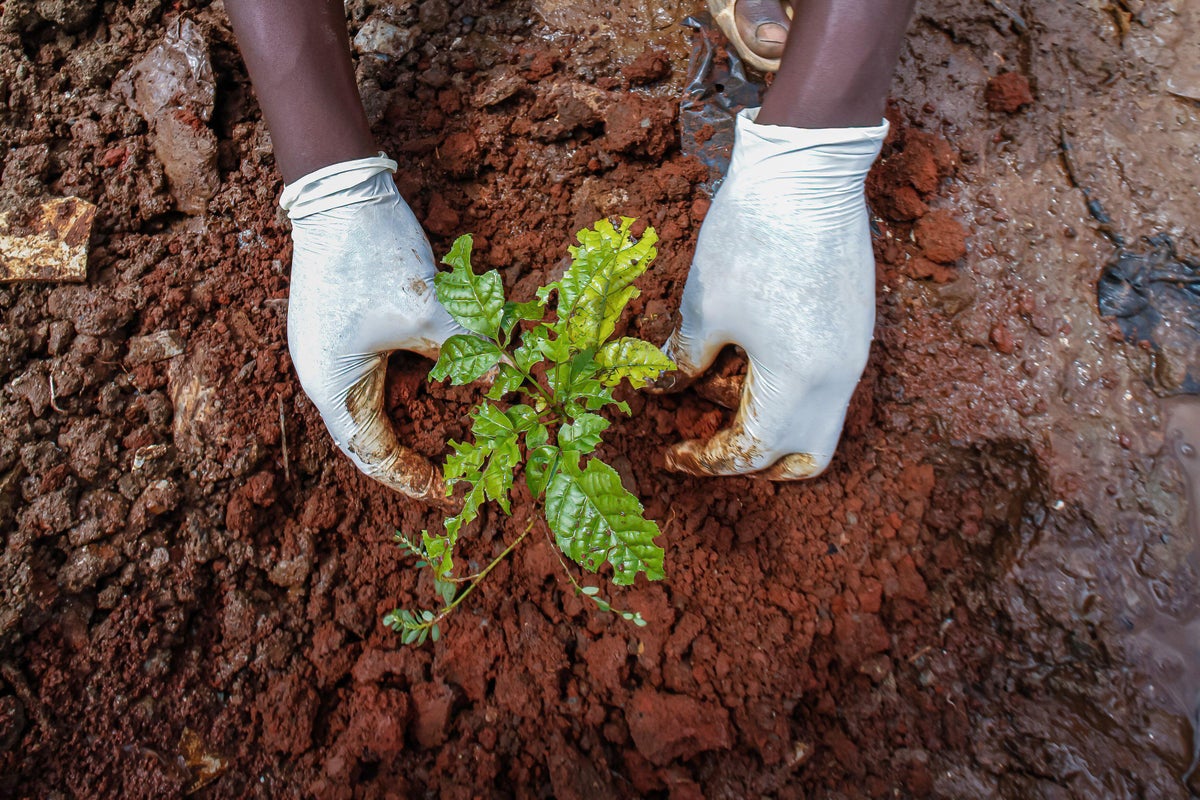
In Nairobi’s Mathare slum, young people have organized clean-ups of the Mathare river, planting trees on the barren, hardened clay riverbank to prepare for floods. Trees help flood prevention by slowing the flow of heavy rain from sky to ground, mitigating runoff and preventing erosion. Another group in Mathare has created rooftop gardens and set up rainwater collection systems to make sure they can manage during drought without having to pay for water. They are planting trees like avocado, mango and guava, which provide nutrition and the opportunity to sell surplus produce. Initiatives like this are virtually unheard-of in densely overcrowded slums worldwide, where green space and municipal waste removal is lacking. Youth see climate change for the immediate threat it is, and are using all the resources at their disposal to make their communities more livable, now and into the future.
And yet, despite projects like these, international policy makers who set the climate agenda and direct funds toward adaptation projects often overlook community-based leadership. This is, in part, because of funding dynamics; funders are too far removed from the communities they intend to reach, and so are unwilling to give up control of project agendas or to invest in strengthening local leadership.
While local leaders may lack scientific expertise to forecast weather patterns, we are uniquely qualified to drive change; top-down approaches led by outside groups typically fail because many community members do not trust outsiders. They are more expensive, and less sustainable long-term. Local organizations can deliver programming that is 32 percent more cost-efficient than international groups, based on savings from salaries and overhead costs. Trusted local leaders with cultural knowledge are best positioned to understand people’s specific needs and to involve community members at every turn.
In Zimbabwe a savings collective called the Gungano Urban Poor Fund offers loans for climate projects in poor, urban communities. In Namibia a government-funded small grants program called Empower to Adapt enabeled dozens of communal conservatories and community-managed forests to undertake projects to improve fire management, clean water supply, access to solar energy, and more. Many other climate adaptation projects are happening in rural Kenya, including distribution of drought-resistant seeds and tree nurseries and the transforming of food waste into organic fertilizer through composting. A recent three-year drought killed 80 percent of the region’s cattle in northern Kenya, and the local Samburu tribe has begun to farm camels as a “drought-resistant” alternative, as they are able withstand more extreme conditions.
Despite the success of these projects, climate adaptation has yet to receive the level of attention and investment needed, especially in the world’s most vulnerable places. This is, in part, because of the long-standing belief among some scientists and policy makers that moving to adaptation signals to people that the mitigation battle is lost. They fear people and governments will stop trying to promote renewable energy. And so, governments have not moved quickly enough to increase their adaptation targets. Globally, adaptation receives only 5 percent out of all climate-related investments measured, andonly 20 percent of that goes to Africa—about $13 billion annually. A U.N. economist has estimated that Africa, by 2030, will be $2.5 trillion short of the financing it needs to adapt to climate change.
Despite the commitments laid out in the Paris Agreement and Sustainable Development Goals, there is a growing divide between international financing flows and the needs on the ground. Adaptation financing from both public and private sector sources has fallen further off-track, and many African countries are struggling to access existing funding, instead relying on emergency response funding to cope with climate impacts. It is nowhere near enough. The longer we wait, the greater and more costly needs will become. International funders need to come to us, and trust us, because the next generation of climate leaders on the continent will be African. Give them what they need to survive, in place, at home.
This is an opinion and analysis article, and the views expressed by the author or authors are not necessarily those of Scientific American.
