

For decades the Northwest has enjoyed affordable, abundant and clean electricity. We enjoy some of the lowest electric rates in the country because of our hydropower resources and now, with vast wind and solar resources at hand, we can meet future challenges, too.
Because of rising electricity bills, growing energy needs, increasing temperatures and declining snowpack, we must redouble our efforts to create an electric power system for the future that meets our needs while protecting salmon, steelhead and other natural resources that our Northwest economy and cultures depend on. Whether one takes the perspective of an electric customer, a utility providing power or a salmon trying to survive a warming world, we must take action now to preserve and enhance the quality of life that makes our region special.
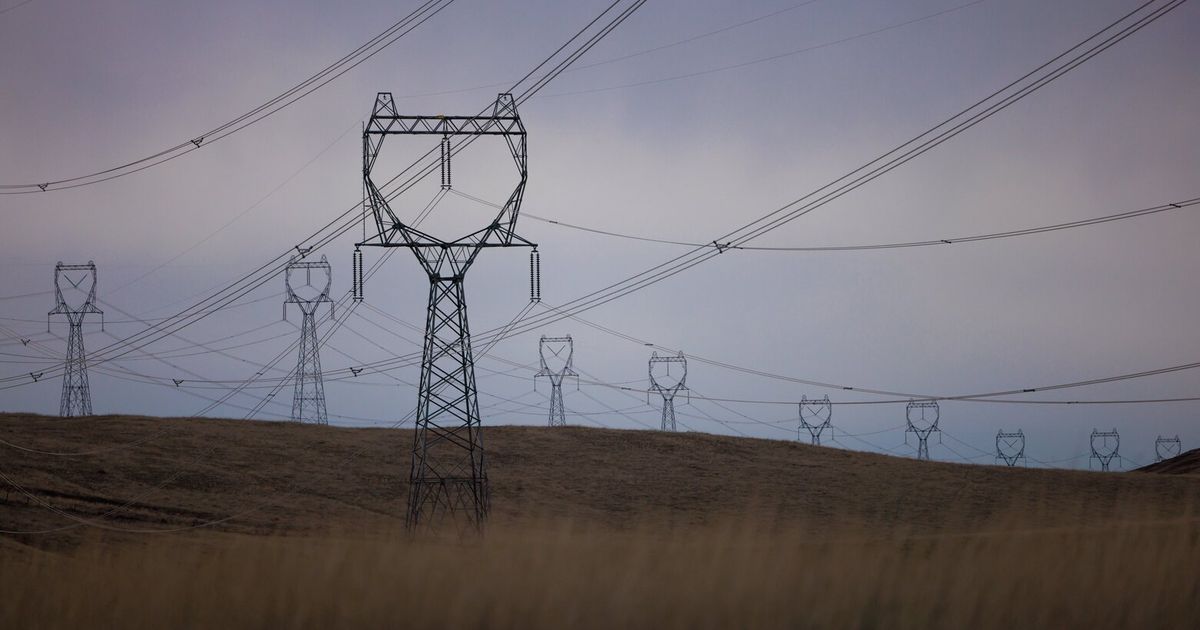
This is why the recent announcement of Travis Kavulla as the next Bonneville Power Administrator is a key moment. BPA plays an outsized role in our region by operating about three-quarters of the transmission system and marketing federal hydropower that supplies more than one-third of our electricity. This scale means BPA’s policies, investments, and programs are essential to energy affordability and reliability for all customers across the Northwest.
Under the Northwest Power Act and other laws, BPA is charged with balancing the need for a reliable and affordable supply of electricity with the requirement to protect and enhance fish and wildlife resources in the Columbia Basin. This is a tall order and for much too long, BPA has responded too slowly to market signals and failed to make needed investments in our transmission system, to address imperiled salmon populations and help customers use energy efficiently.
BPA’s new administrator is in a unique position to modernize the agency so it can plan and build a power system that enhances our economy, keeps customer bills truly affordable and protects our environment. Kavulla’s past experience as an energy regulator, his work in the private sector and his reputation as a thoughtful leader position him well to revive the legacy of BPA as a leader in clean, coordinated, and affordable power that protects our natural resources and unites the Northwest.
To meet this challenge, we need fresh, innovative thinking to change stagnant patterns and make strategic investments in our shared infrastructure. By growing clean energy, and joining together across the West to better trade power and balance the grid, we can meet our rising energy needs, keep bills affordable and protect the shared natural resources we all value.
BPA’s success in meeting this challenge underpins our economic success as a region. Here are three issues that should be at the top of Administrator Kavulla’s to-do list:
● Revisit BPA’s 2025 decision to join the day-ahead energy trading system Markets+. That decision is forecast to increase electricity costs by more than $4 billion in the coming decade. Instead, BPA should remain in the Western Energy Imbalance Market that has enhanced reliability and saved customers tens of millions of dollars since its inception in 2014.
● Modernize the transmission system. Plan, upgrade and improve the transmission system to better connect clean energy generation with the sources of energy demand. BPA must be more nimble, efficient, and community-oriented in addressing the massive backlog of pending requests for transmission service so that affordable clean energy projects can serve our growing needs.
● Support and expand BPA’s role in developing ways to conserve energy, like increasing energy efficiency and shifting how customers consume energy to reduce the need for more power generation. Helping customers use energy efficiently and flexibly is a win-win solution that will result in more affordable bills, more reliable service and reduce BPA’s reliance on our stressed hydro system.
Welcome back to the Northwest, Administrator Kavulla. We look forward to working together to address our shared challenge — creating an affordable, abundant and clean energy system while restoring the fish, wildlife and cultural resources that make the Northwest so vibrant.
