

The two neighbours and economic powerhouses of the Gulf are traditional allies, but in the past few years they have increasingly become rivals when it comes to business and have backed rival actors in several countries.
The rivalry turned into a public row over Yemen after UAE-backed separatists seized swathes of land late last year, including areas along the Saudi border, infuriating Riyadh which retaliated with air strikes and through allies on the ground.
Riyadh also demanded that all Emirati forces be withdrawn from the country, a request which the UAE said it had complied with.
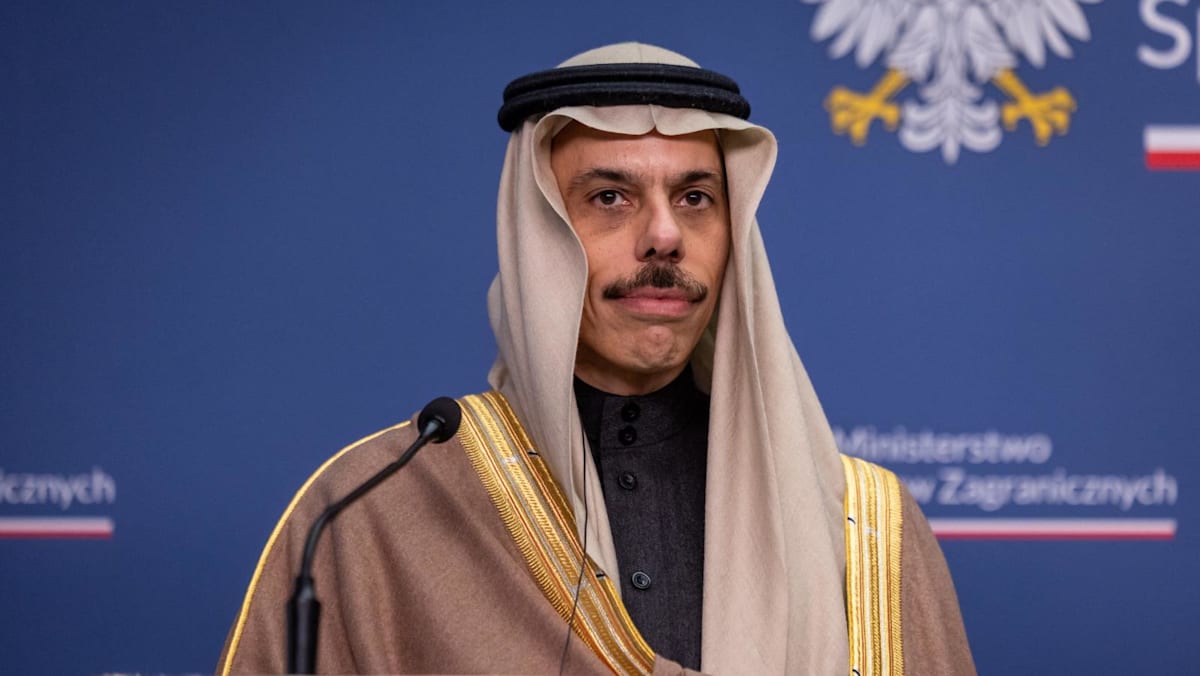
During a press conference in Warsaw on Monday, Saudi Arabia’s Foreign Minister Faisal bin Farhan said Riyadh was “always keen” to have a “strong, positive relationship with the UAE”.
“The UAE has now decided to leave Yemen and I think if that indeed is the case and the UAE has completely left the issue of Yemen, the Kingdom of Saudi Arabia will take responsibility,” he added.
“I think that will be the building block for making sure that the relationship with the UAE continues strong and continues to serve the interests not just of both countries but the region.”
