

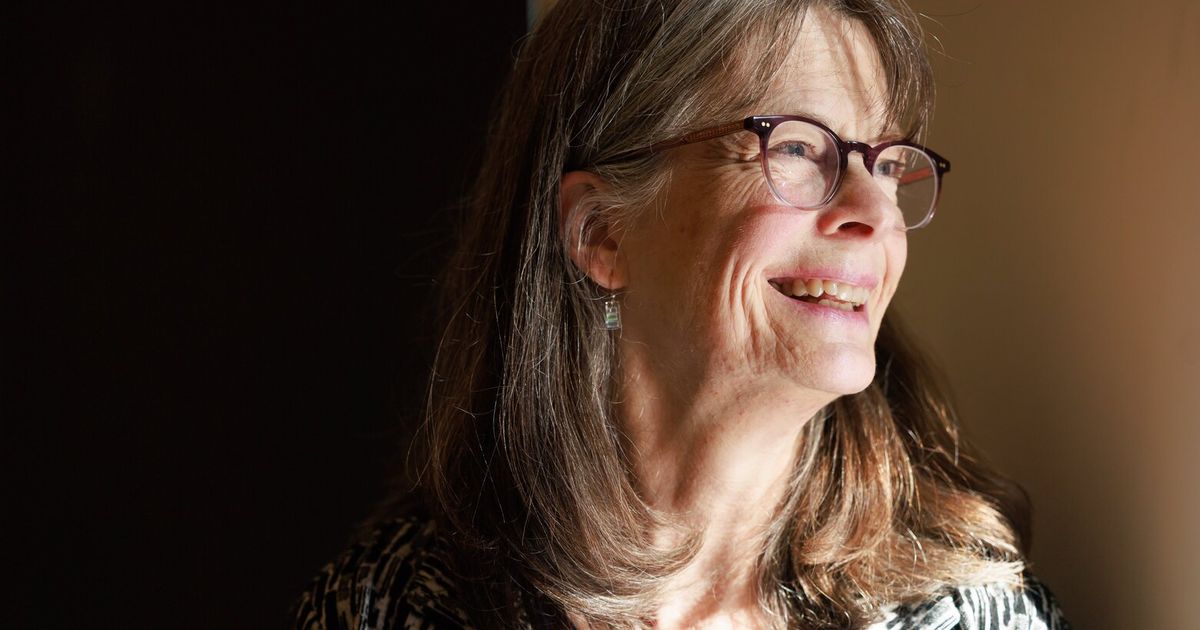
Seattleite Mary Brunkow said she was astonished when she learned she and two scientist colleagues had won the 2025 Nobel Prize for medicine or physiology. But based on her career accomplishments in medical research, she shouldn’t have been.
Brunkow, a native of Portland, is a molecular biologist and immunologist and a senior program manager at the Institute for Systems Biology in Seattle.
She graduated from the University of Washington with a bachelor’s degree in cell and molecular biology. She earned master’s and doctoral degrees in molecular biology from Princeton University.
Throughout her career she’s done research associated with Alzheimer’s disease, Huntington’s disease and bipolar disorder.
Her award-winning research was done right here in Bothell at Celltech Chiroscience and published in 2001.
She and the two other scientists share this Nobel Prize for discoveries about how the immune system knows to attack germs and not our own bodies. Brunkow, Fred Ramsdell and Shimon Sakaguchi uncovered a key pathway the body uses to keep the immune system in check, called peripheral immune tolerance, said the Nobel Prize board. Experts called the findings critical to understanding autoimmune diseases such as Type 1 diabetes, rheumatoid arthritis and lupus. It also will be useful to help prevent the rejection of transplant organs.
Specifically, in 1995, Sakaguchi discovered the existence of a new T cell — called regulatory T cells — a kind of white blood cell that protect the body from autoimmune diseases.
Brunkow and Ramsdell in 2001 found a gene they called FOXP3. They found that mutations in the gene in both mice and humans resulted in severe autoimmune disease. Sakaguchi is credited for linking the discoveries by showing that the function of regulatory T cells depend on the FOXP3.
Among the criteria for winning a Nobel Prize in science is that the candidate must have “conferred the greatest benefit on mankind” through an important discovery or inventions, according to the Nobel Prize board. Brunkow’s work fits that bill. Her name is added to a long list of previous Nobel Prize winners with ties to Washington.
At a time when science deniers have tried to turn back the clock on modern medical advancements, Brunkow’s work should be lauded not only by the Nobel Prize committee, but by all who benefit from the work her team performed for the betterment of our society.
